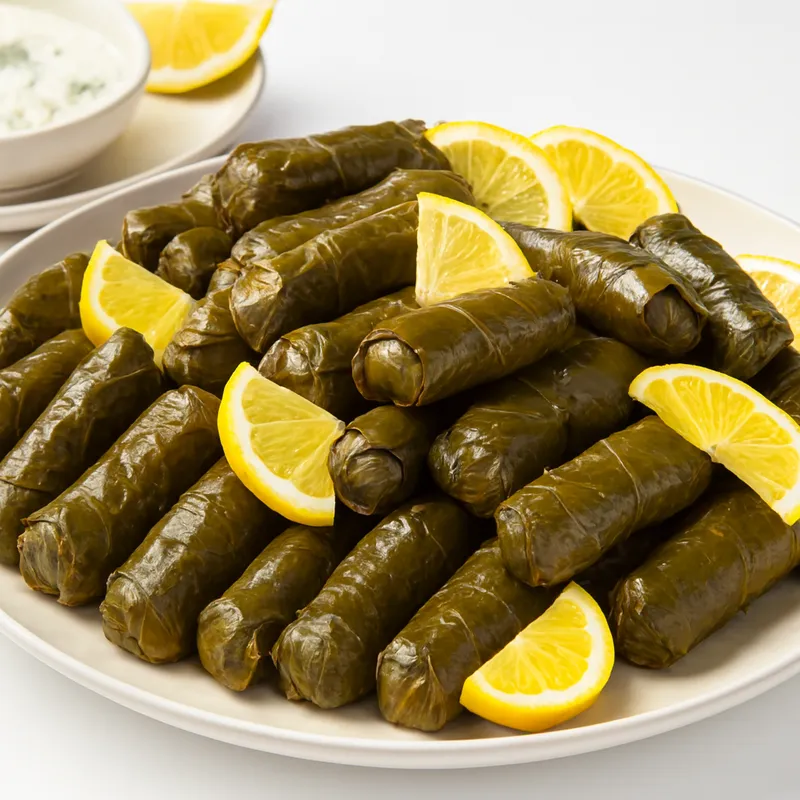
Kokoras krasatos is rooster braised slowly in red wine, tomato, and warm spices until the tough old bird turns tender and the sauce reduces to a deep, glossy red. Cinnamon and allspice give it a distinctly Greek warmth, setting it apart from its French cousin coq au vin. It is traditionally ladled over hilopites — square Greek egg pasta — which soaks up the sauce, and is the classic Sunday and feast-day dish of the mainland village.
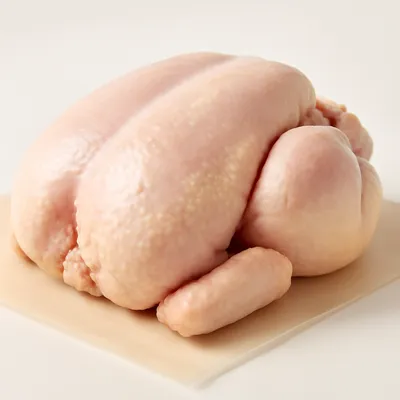





Rooster was long a prized and occasional meat in the Greek village: a flock kept far more hens than cocks, and a rooster's meat is tough and needs long, slow cooking, so it was saved for Sundays, name days, and celebrations rather than everyday meals. Cooking it down in wine and tomato made the most of a sinewy bird, and the dish became a fixture of the mainland Sunday table, where it was paired with the household's own hand-cut hilopites. It is often described as the Greek answer to coq au vin, though the cinnamon-and-spice profile is its own.
Pieces of dark, firm rooster meat that pull cleanly off the bone after hours in the pot, coated in a thick, wine-dark sauce. The first taste is savory and faintly sweet from the tomato and onion, then the cinnamon and allspice come through warm and aromatic, with the red wine giving depth and a slight tang underneath. Spooned over hilopites, the pasta turns silky with absorbed sauce, and a dusting of grated cheese ties it together.
Long, gentle braising is essential because rooster is an old, hard-working bird: its connective tissue (collagen) only breaks down into gelatin over hours of low, wet heat, which is what turns the tough meat tender and gives the sauce its body. Browning the pieces first builds a savory base through the Maillard reaction, and the wine is added early so its harsh alcohol cooks off and the acidity mellows over the braise. The spices — cinnamon, allspice, sometimes clove and bay — are added whole or early so their aromatics infuse the sauce slowly rather than tasting raw.
Variations
Some cooks make it white, with white wine and no tomato; others lean heavily into tomato for a deeper red sauce. Where a true rooster is hard to find, a free-range hen or a whole chicken is used, with shorter cooking time. Kokoras bardouniotikos, a Peloponnesian version, adds feta and green olives to the sauce. The pairing also varies — hilopites is classic, but the rooster is also served over thick pasta, potatoes, or trahana.
On the Palate
Where Kokoras Krasatos sits in the Greek flavor cloud
Ingredients
Serves 4



How it's made
5 steps · 40 min active + 2 hours 5 min waiting
- 120 min
Joint the rooster into pieces and pat dry; brown them in olive oil in a heavy pot, then set aside.
Watch outBrown the rooster pieces well before braising — that seared crust builds the savory base of the sauce; drop pale meat straight into the pot and the whole dish tastes flat.
- 210 min
Soften chopped onion and garlic in the same pot, then return the rooster and pour in the red wine.
- 35 min
Add chopped tomatoes, a cinnamon stick, allspice, bay leaf, salt, and pepper, and bring to a simmer.
- 4110 min
Cover and braise gently for about 1.5-2 hours, until the meat is fork-tender and the sauce is thick.
Watch outBraise a good hour and a half or more until the meat is fork-tender and the sauce thick — an old bird's collagen only melts with long low heat, so don't rush it or it stays tough.
- 520 min
Meanwhile boil the hilopites until tender; serve the rooster and sauce over the pasta with grated cheese.
Archive tool suggestions — not reviewed
These legacy suggestions have not been evidence-reviewed and are not presented as required tools.