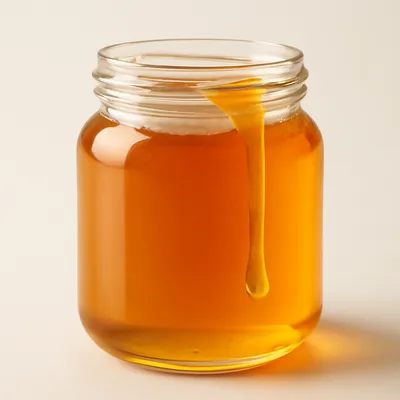
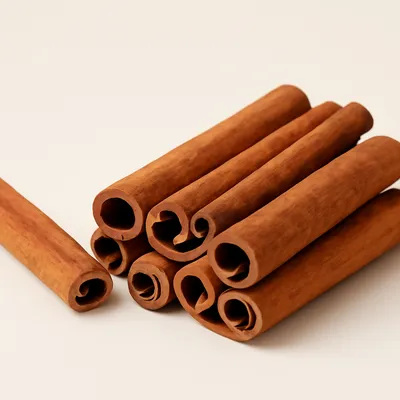
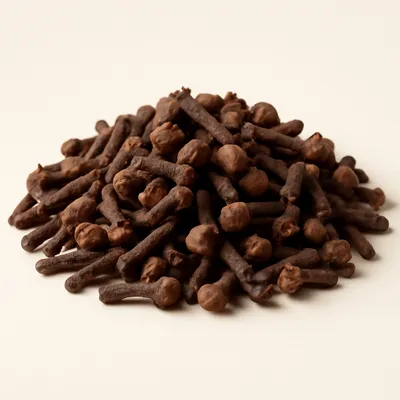
Walnut-filled rolls wrapped in kataifi pastry — phyllo dough spun into fine vermicelli-like threads — baked golden and soaked in honey-lemon syrup. It is essentially baklava's cousin made with shredded rather than sheet pastry, sharing the same walnut, cinnamon, and clove filling. The same threads are sold across Turkey and the Levant as kadayıf; the Greek sweet is set apart by its honey syrup and warm spicing rather than a plain sugar syrup.



Kataifi pastry and the sweets made from it belong to the same Ottoman-rooted family as baklava, and the shredded dough itself is shared with Turkish and Levantine kitchens, where it appears in kadayıf and in the cheese-filled künefe. The dough is made by drizzling thin batter through a fine-holed vessel onto a hot spinning plate, where it sets into hair-fine strands almost instantly. In the Greek repertoire it settled as a syrup sweet built on the standard walnut-cinnamon filling, served alongside baklava and galaktoboureko on festive tables.
The shredded exterior is the whole point — it bakes into a crisp, golden nest of strands that crackle and then collapse, a coarser and crunchier shell than baklava's smooth layers. Inside is a soft, syrup-soaked clump of spiced walnuts. Honey and lemon brighten the sweetness, cinnamon and clove warm it. Each roll is small and dense, eaten by hand, the strands shedding as you bite.
The threads must be coated thoroughly in melted butter and gently fluffed apart before shaping, or they bake into a dense pad rather than a crisp lattice. Rolling the filling tightly inside keeps the walnuts from spilling and helps the roll hold its shape as the strands shrink in the oven. As with baklava, syrup and pastry meet at opposing temperatures so the threads drink up the honey without going soggy; under-baked kataifi stays pale and turns gummy once syruped, so it must reach a true deep gold first.
Variations
The most common form is small individual rolls, but kataifi is also layered flat in a pan over a walnut filling and cut into squares, baklava-style. A custard-filled version (kataifi me krema) wraps the threads around a thick semolina cream. Almonds or a walnut-almond mix sometimes replace plain walnuts, and the syrup may carry orange or a cinnamon stick.
On the Palate
Where Kataifi sits in the Greek flavor cloud
Ingredients
Serves 16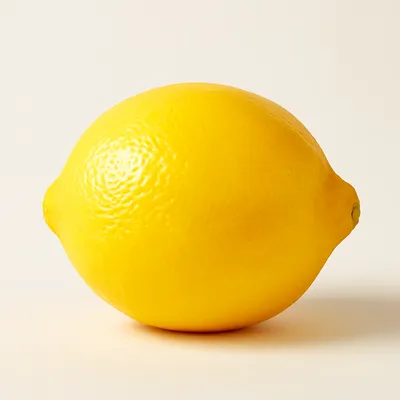
How it's made
6 steps · 50 min
- 18 min
Mix the ground walnuts with sugar, cinnamon, and ground clove for the filling.
- 28 min
Pull the kataifi threads apart into a loose pile and toss them thoroughly with melted butter.
Watch outToss the threads thoroughly with melted butter and fluff them loose — clumped, unbuttered strands bake into a dense pad instead of a crisp lattice.
- 315 min
Lay out a small bed of threads, place a line of filling along one edge, and roll up tightly.
- 48 min
Arrange the rolls snugly in a buttered pan and brush with any remaining butter.
- 545 min
Bake at 170C until deep golden and crisp, about 45 minutes.
Watch outBake to a true deep gold before syruping — under-baked kataifi stays pale and turns gummy the moment the syrup hits it.
- 615 min
Simmer honey, sugar, water, and lemon into a syrup, cool it, then pour over the hot rolls and rest until the syrup is absorbed.
Watch outCool the syrup, then pour it over the hot rolls — hot-on-hot only steams and sogs; the temperature gap is what lets them drink it in and stay crisp.
Archive tool suggestions — not reviewed
These legacy suggestions have not been evidence-reviewed and are not presented as required tools.


