A comforting chicken pie in which shredded poached chicken is folded into a thick, cheesy bechamel and baked between buttered sheets of phyllo until golden. Richer and creamier than the herb-and-greens pies of the Greek table, kotopita is a way to turn a boiled bird and its broth into a generous main course. The béchamel binds the filling into a smooth, custardy interior beneath a crackling crust.





Kotopita is a member of the broad Greek pita family of phyllo pies, the layered savory baking tradition shaped in Byzantine kitchens. Its creamy form reflects a more modern, town-kitchen sensibility: the béchamel that binds the chicken is a French white sauce that entered the Greek repertoire in the early twentieth century, when chef Nikolaos Tselementes popularized French techniques in his influential cookbooks and gave dishes like moussaka and pastitsio their signature béchamel layer. The same creamy-bound logic carried into chicken pie, where it transforms leftover poached bird into something polished.
A crisp, deep-gold lid of buttered phyllo gives way to a soft, creamy filling that holds together in a neat slice. The chicken is tender and shredded, the béchamel rich and faintly nutmeg-scented, with sharp kefalotyri or salty feta cutting the richness. Served warm, it is mild and savory — the gentlest of the Greek pies, all comfort and creaminess against the snap of the crust.
The chicken is poached gently so it stays moist, then shredded; the poaching broth is reused to make the béchamel, deepening its flavor. The sauce must be cooked thick — a stiff roux of equal butter and flour loosened with warm liquid — so it can hold the chicken without weeping moisture into the pastry; a thin béchamel will soak and collapse the bottom phyllo. Grated hard cheese stirred into the warm sauce both seasons it and helps it set firm as it bakes. Butter brushed between the sheets, not oil, gives the rich crust that suits a creamy filling.
Variations
Some cooks skip the béchamel for a lighter filling of chicken bound only with egg, cheese, and herbs such as dill and parsley. Vegetables — sauteed leek, onion, mushroom, or peas — are often folded in. The pie is sometimes shaped as small individual rolls (kotopitakia) rather than a single tray, and the rich version may be finished with avgolemono, an egg-and-lemon sauce, in place of béchamel for a brighter, tangier interior.
On the Palate
Where Kotopita sits in the Greek flavor cloud
Ingredients
Serves 8

How it's made
8 steps · 1 hour 5 min active + 45 min waiting
- 135 min
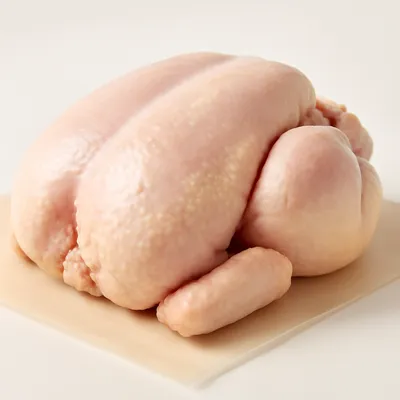
Poach chicken pieces gently in water with bay and peppercorns until cooked; reserve the broth.
- 210 min
Cool the chicken, then shred the meat finely and discard skin and bones.
- 312 min
Make a béchamel: cook equal butter and flour into a roux, then whisk in warm chicken broth and milk until thick.
Watch outCook the béchamel good and thick — a stiff roux loosened just enough — so it holds the chicken without weeping; a thin sauce soaks and collapses the bottom phyllo.
- 46 min
Off the heat, stir grated kefalotyri, nutmeg, and a beaten egg into the sauce, then fold in the shredded chicken.
- 58 min
Brush a tray and phyllo sheets with melted butter; layer half the sheets as the base.
- 66 min
Spread the creamy chicken filling evenly, then top with the remaining buttered phyllo and seal the edges.
- 745 min
Score into portions, brush with butter, and bake at 180C for about 45 minutes until golden and crisp.
Watch outBake until the phyllo is deep golden and crisp — pale pastry means a soggy, undercooked base.
- 810 min
Rest 10 minutes so the filling firms, then cut and serve warm.
Archive tool suggestions — not reviewed
These legacy suggestions have not been evidence-reviewed and are not presented as required tools.


