A substantial phyllo pie of finely chopped meat baked between buttered pastry sheets, hearty enough to stand as a main course. Its most celebrated form comes from the Ionian island of Cephalonia, where lamb, pork, and beef are combined with rice, tomato, hard cheese, and warm spices. The rice and the cinnamon set it apart from the leaner meat pies of the mainland and of Epirus, giving each slice a rich, fragrant, almost festive character.


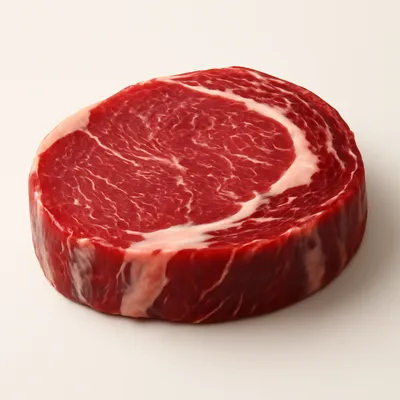
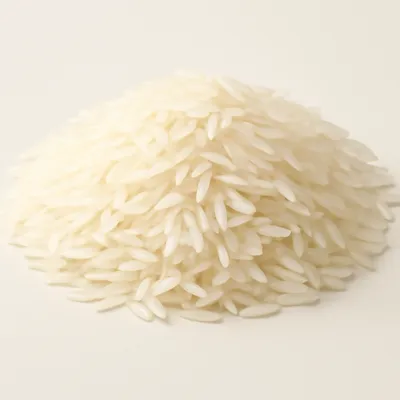


Kreatopita is the meat branch of the Greek pita family, the layered savory pie tradition refined in Byzantine kitchens and carried through the Ottoman centuries. The signature version, kefalonitiki kreatopita, belongs to Cephalonia in the Ionian Islands, and its warm-spiced, rice-bound filling is often linked to the long Venetian rule of the Ionian Sea, which left its mark on local cooking; the precise origin is not documented. It is a dish for gatherings and feast days, with nearly every island family keeping its own proportions of meat, spice, and herb.
A thick, golden-crusted wedge that holds its shape on the plate. Under the crisp phyllo the filling is dense and juicy: tender shreds of three meats, plump grains of rice that have soaked up the meat juices and tomato, sharp grated kefalotyri, all scented with cinnamon and nutmeg. Warm and savory with a sweet-spiced edge, it eats more like a slow-baked casserole wrapped in pastry than a light snack pie.
The meat is chopped small rather than ground so it keeps a coarse, juicy texture, and it is browned first to build flavor and render fat. The rice goes in raw or barely parboiled: as the sealed pie bakes, the grains finish cooking by absorbing the meat's released juices and the tomato, which is what keeps the filling moist without making it wet enough to sog the pastry. Long, gentle oven time melds the spices through the meat. Butter, rather than the oil used for green pies, is brushed between the phyllo sheets, giving a richer, deeper-browning crust suited to the heavy filling.
Variations
Cephalonia's three-meat version is the famous one, but many cooks use just lamb or just beef, and goat is common on the islands; some add allspice or clove alongside the cinnamon, or a splash of the local Robola wine. Mainland and Epirot kreatopita tend to be simpler — minced meat with onion and herbs, sometimes no rice and no tomato. A few recipes finish the filling with avgolemono or fold in a soft cheese for a creamier crumb.
On the Palate
Where Kreatopita sits in the Greek flavor cloud
Ingredients
Serves 8


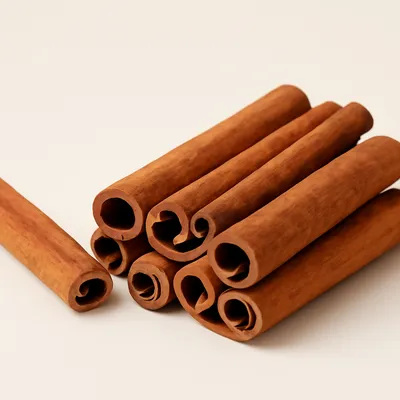
How it's made
8 steps · 1 hour 10 min active + 1 hour 20 min waiting
- 125 min
Finely chop a mix of lamb, pork, and beef; season with salt, pepper, cinnamon, and nutmeg.
- 212 min
Brown the meat in batches over high heat to develop color, then lower the heat and add chopped onion.
Watch outBrown the meat in batches over high heat before it stews in its own juices — a crowded pan steams grey and you lose the browned depth the filling needs.
- 330 min
Stir in chopped tomato and a little water; simmer gently until the meat is tender and the liquid reduced.
- 48 min
Off the heat, mix in raw rice, grated kefalotyri, and chopped parsley; the rice will finish cooking in the oven.
- 58 min
Brush a baking tray and phyllo sheets with melted butter; lay half the sheets as the base.
- 66 min
Spread the meat-and-rice filling evenly, then cover with the remaining buttered phyllo and seal the edges.
- 750 min
Score into portions, brush the top with butter, and bake at 180C for about 50 minutes until deep golden.
Watch outBake at 180°C until the top phyllo is deep golden, about 50 minutes — the raw rice inside is finishing by absorbing the meat juices, so give it the full time or the grains stay hard.
- 815 min
Rest the pie at least 15 minutes so the rice sets and the layers firm before cutting.
Archive tool suggestions — not reviewed
These legacy suggestions have not been evidence-reviewed and are not presented as required tools.


