
A small double-crusted savoury pie from the Mediterranean fishing port of Sète, filled with octopus (and often squid or cuttlefish) stewed in a spiced tomato-and-garlic sauce. The lid is sealed with a crimped, rope-twisted edge and the saffron-tinted dough bakes to a deep brick-red. Sold individually as street and market food, eaten warm or cold, it is the emblem of Sète's Italian-immigrant kitchens. The name comes from the Italian teglia, the round pan it is baked in.






Sète was settled from the late 17th century and drew waves of fishermen from the Italian coast, especially from Gaeta near Naples. They brought a home-style sealed pie traditionally eaten around the feast of Saint Anne. For generations it was made only at home; the commercial Tielle dates to 1937, when Adrienne Pagès — wife of a Gaeta-descended Sète family — began selling them from a shop, a move long credited within the town with turning a private recipe into the city's signature. The recipe was guarded by her family for decades before spreading to other Sète bakers, and the pie remains tied to Sète by local usage rather than any protected designation.
A palm-sized pie with a glossy, paprika-red crust crimped in a rope around the rim. Break it and the filling is dark and slick — tender rings and chunks of octopus bound in a thick, faintly spicy tomato sauce that has soaked partway into the lower crust. The pepper is present but warm rather than fierce; the dough underneath stays slightly chewy where the sauce met it. Best eaten just warm, with the sauce still loose.
Octopus is collagen-dense and turns rubbery if rushed, so it is simmered long and slow in the tomato base until the connective tissue gelatinises and the flesh turns tender while still holding its bite. That same slow reduction concentrates the sauce so it is thick enough not to make the bottom crust soggy. A pinch of saffron and paprika both colour and season the short-crust dough; the double crust traps steam so the filling braises gently a second time inside the oven, melding sauce and seafood.
Variations
Cuttlefish or squid is commonly added to, or substituted for, part of the octopus. A large family-sized tielle baked in one big pan and cut into wedges is sold alongside the individual ones. Heat levels vary by maker — some Sète shops sell a noticeably spicier version than others.
On the Palate
Where Tielle Sétoise sits in the French flavor cloud
Ingredients
Serves 6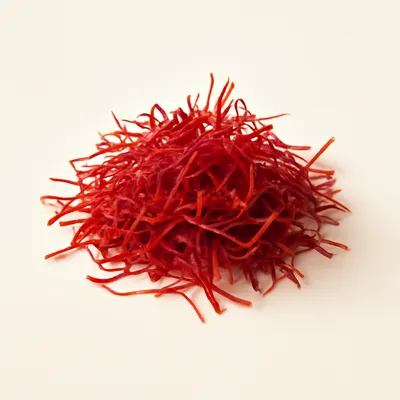



How it's made
6 steps · 1 hour 10 min active + 1 hour 20 min waiting
- 125 min
Make a short dough with flour, olive oil, water, yeast, salt and a pinch of saffron; rest until relaxed.
- 220 min
Clean the octopus and cut into bite-size pieces; soften onion and garlic in olive oil.
- 360 min
Add octopus, tomato, white wine, paprika and a little chilli; simmer slowly until the octopus is tender and the sauce is thick. Cool.
Watch outOctopus tender to a knife and the sauce thick and jammy, no free liquid — then cool it.
- 420 min
Line oiled individual pans with rolled dough, fill with the cooled octopus, and cover with a dough lid; crimp the edges into a rope seal.
Watch outThe edges pressed into a firm continuous rope so no steam escapes.
- 530 min
Brush with oil and bake until the crust is firm and brick-red.
Watch outCrust gone firm and brick-red on top signals it's baked through.
- 65 min
Rest briefly, then serve warm or at room temperature.
Archive tool suggestions — not reviewed
These legacy suggestions have not been evidence-reviewed and are not presented as required tools.


