Shrimp baked in a small clay pot with a tomato-and-pepper sauce, chili, and a blanket of melting kaşar cheese — a meyhane and fish-restaurant classic, served bubbling in the same dish it was cooked in. The güveç is the earthenware vessel that gives the dish its name and its character: it holds heat, so the pot keeps cooking and stays hot at the table. It arrives as a hot meze, eaten straight from the pot with bread to scoop the sauce.
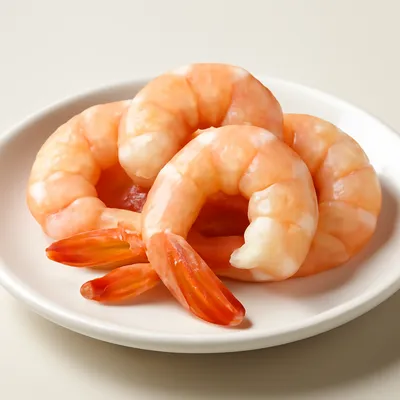
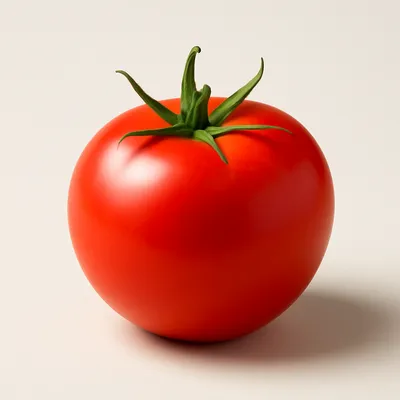



Güveç is both a clay cooking vessel and the family of stews and bakes made in it, a method that runs throughout Anatolian cooking; karides güveç is the seafood member, at home in the coastal fish restaurants and the meyhanes of Istanbul and the Aegean. As a hot starter (ara sıcak, 'in-between hot dish') it sits between the cold meze and the grilled main on a rakı table. The pairing of shrimp, a tomato-pepper base, and stretchy kaşar over the top is the standard restaurant rendering; the clay pot is integral, prized for the slow, even heat that earthenware holds.
Plump shrimp in a thick, glossy tomato-pepper sauce, sweet and faintly smoky from the peppers, with a chili lift that builds. Over the top, the kaşar cheese melts into golden, stretchy threads with browned, blistered edges where it met the oven. The pot is too hot to touch and the sauce keeps spitting at the table. The shrimp stay just-firm and juicy if the cook pulled them in time. You eat it with bread, dragging each piece through the sauce and the cheese.
Shrimp overcook in seconds, so the technique protects them: the tomato-pepper sauce is built and reduced first — onion and pepper softened, tomato and paste cooked down to a thick base, seasoned with pul biber — and only then are the raw shrimp folded in, transferred to the clay pots, topped with cheese, and finished in a hot oven just long enough to set the shrimp and melt the cheese. The earthenware is the point: it heats slowly and holds heat hard, so the shrimp cook gently and evenly rather than rubbery, and the pot carries oven heat to the table to keep the cheese molten and the sauce live. Pulling the pots the moment the cheese browns is what keeps the shrimp tender.
Variations
The base recipe is flexible: some cooks add sliced mushrooms, a splash of cream, or a knob of butter for richness, others keep it lean and tomato-bright. The cheese is usually kaşar but mozzarella stands in. A garlic-forward version leans on more garlic and chili; an Aegean version may finish with fresh dill. Larger güveç dishes scale up to a shared main rather than a single-portion meze. The same clay-pot method makes mantarlı güveç (mushroom), tavuk güveç (chicken), and the vegetable türlü.
On the Palate
Where Karides Güveç sits in the Turkish flavor cloud
Ingredients
Serves 4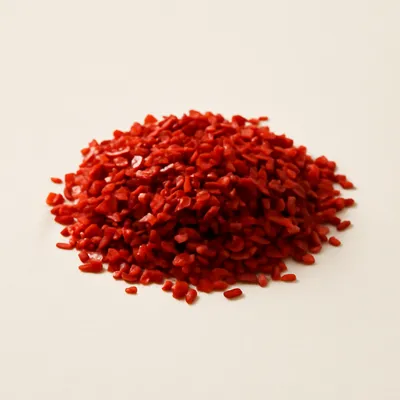

How it's made
7 steps · 25 min
- 18 min
Peel and devein the shrimp, leaving tails on if you like; pat dry and set aside.
- 26 min
Soften chopped onion and green pepper in olive oil until they begin to color.
- 38 min
Stir in grated tomato, tomato paste, garlic, pul biber and salt; cook down to a thick sauce.
- 42 min
Fold the raw shrimp through the hot sauce just until coated; do not cook through.
Watch outFold the raw shrimp in just to coat and pull off the heat — a few seconds too long in the hot sauce and they toughen before the oven even starts.
- 54 min
Divide among small clay güveç pots and top each with grated kaşar cheese.
- 613 min
Bake in a hot 220°C oven 10-15 minutes until the cheese is golden and the shrimp are just set.
Watch outIt's done the moment the cheese turns golden and the shrimp just firm up — overbaked shrimp go rubbery fast in earthenware's held heat.
- 71 min
Serve at once, bubbling in the pots, with bread.
Archive tool suggestions — not reviewed
These legacy suggestions have not been evidence-reviewed and are not presented as required tools.