
A Konya ceremonial soup made from the smallest dried okra — tiny 'flower okra' threaded onto string and dried — simmered with lamb and tomato paste and brightened with lemon. It is a celebration dish above all: served at weddings and special banquets, often brought out after dessert as an appetite-stimulant before the next course. The dried baby okra gives the broth a distinctive earthy depth, and the lemon keeps it clean and sour.
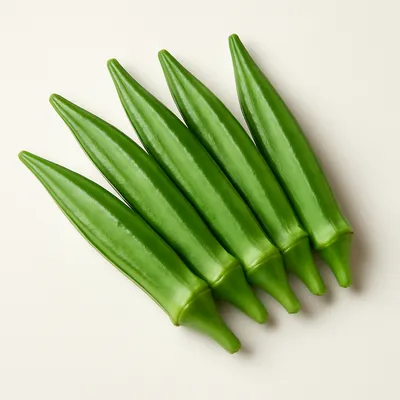




Bamya çorbası is a speciality of Konya, the old Seljuk capital, and the dish carries that heritage in its ceremonial role at weddings and formal invitations. It is made with çiçek bamya, the smallest 'flower okra', which is strung on thread and dried to concentrate its flavour. The soup holds protected geographical-indication status — Konya Bamya Çorbası, registered with Turkey's patent office in 2021 — and the registration's own account ties it to the city's Mevlevi and Seljuk-palace culinary heritage. It is traditionally served after the sweet course to reopen the appetite before the meal continues.
The broth is light-bodied but full of flavour — savoury from lamb and tomato paste, sharply sour from a generous squeeze of lemon. The tiny okra stay whole and tender, each a small soft bite with the faint, grassy earthiness that dried okra develops. There is none of the sliminess people fear from okra; the soup is clean and bright. Served hot in small bowls, it does exactly what it is meant to at a feast — wakes the palate back up.
Okra's reputation for sliminess comes from a soluble fibre (mucilage) that thickens liquids; acid defeats it. Cooks first half-boil the dried okra in lemon water and discard that water along with the strings, washing much of the slime away, then the lemon stirred into the finished soup keeps any remaining mucilage from turning the broth ropey — the acid lowers the pH and the soluble fibre loses its thickening grip. Drying the tiny okra in the first place concentrates its flavour, and the long, slow simmer with a final rest of a few hours before reboiling lets the lamb and okra flavours marry into the broth.
Variations
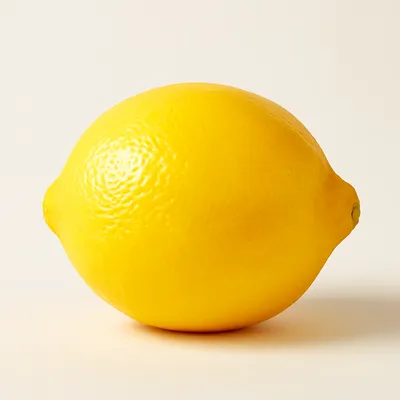
Lemon is the standard souring agent in the protected recipe, but lemon salt (citric acid) added to the okra's boiling water and unripe-grape verjuice (koruk) are documented traditional alternatives; vinegar and dry sumac are not used here. The meat is cubed lamb, often started by rendering tail fat with clarified butter for richness, with tomato paste rather than fresh tomato. Some cooks keep it brothier as a soup, others reduce it closer to a stew. The dried baby okra is the one element that cannot be substituted without losing the character.
On the Palate
Where Bamya Çorbası sits in the Turkish flavor cloud
Ingredients
Serves 6How it's made
6 steps · 45 min active + 1 hour 15 min waiting
- 120 min
Rinse the strung dried baby okra and half-boil them briefly in water with lemon salt or lemon juice, then drain and discard the water and the strings.
Watch outHalf-boil the okra in lemon water and throw that water and the strings away — this is where most of the slime goes; skip it and the soup turns ropey.
- 212 min
Render tail fat with clarified butter, then brown cubed lamb in it.
- 310 min
Stir in tomato paste and cook until darkened, then add hot water to make the broth.
- 460 min
Add the par-boiled okra and simmer gently until the lamb and okra are tender, about an hour.
- 515 min
Finish with a generous squeeze of lemon and season; rest a few hours and reboil before serving for the flavours to deepen.
Watch outFinish with plenty of lemon — the acid is what keeps any leftover mucilage from thickening the broth into slime.
- 63 min
Serve hot in small bowls.
Archive tool suggestions — not reviewed
These legacy suggestions have not been evidence-reviewed and are not presented as required tools.



