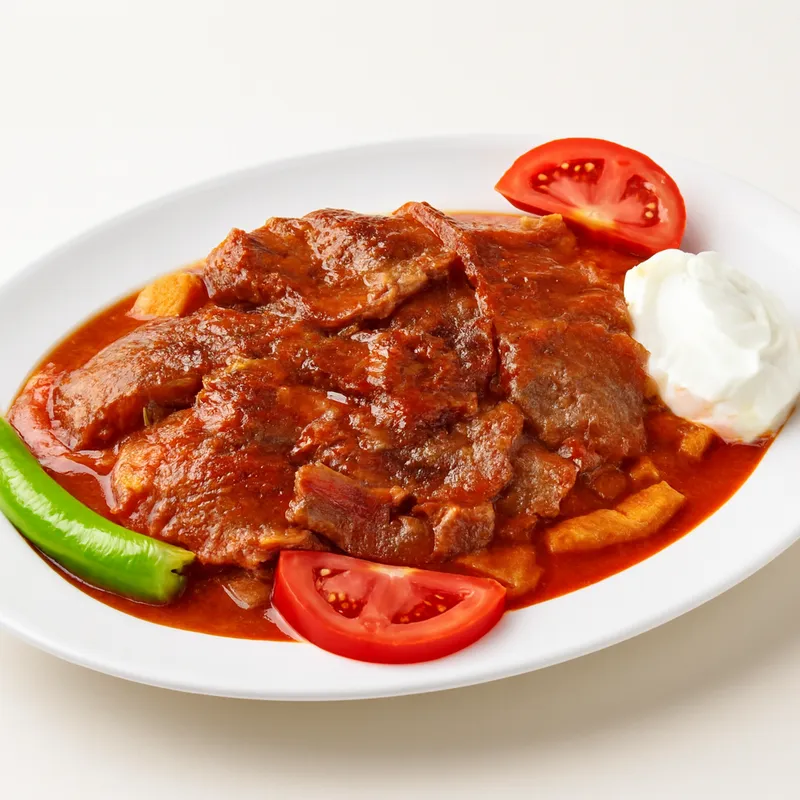




Sütlaç (formerly sütlü aş, 'milk dish'; from süt, 'milk') is Turkey's most popular traditional dessert — found in every lokanta (restaurant) dessert case, every Turkish supermarket, every grandmother's kitchen. The dish has roots in Ottoman-era milk puddings and shares ancestry with Iranian shir berenj and Indian kheer, but the Turkish version is distinguished by the broiled top — sütlaç fırında ('oven sütlaç') is the canonical form, with a slightly burnt-skinned top that contrasts the cool creamy interior below. Anatolian home kitchens make the classic broiled version; Aegean and Mediterranean coastal kitchens sometimes serve unbroiled (just chilled). The dish appears at every Turkish family dinner finale and at every iftar (Ramadan breaking) table.
Crack the broiled skin with a spoon — it gives a satisfying gentle resistance before yielding. Below is creamy-cool rice pudding, dense with rice grains but liquid enough to drink off the spoon, sweet but restrained, with subtle pine-resin notes from the mastic. The broiled top tastes faintly bitter-caramelized — the perfect counterpoint to the cool sweet interior. Top with pistachios for crunch and color contrast. This is the Turkish dessert that requires no fork, no plate, no special occasion — just a spoon and a quiet evening.
Two-stage cooking is essential: water-cook the rice first (so it doesn't absorb all the milk's water), then milk-cook to creamy. Cornstarch is the secret to non-runny sütlaç — without it, the pudding never thickens enough. The mastic provides a uniquely Turkish flavor — it's tree resin from the Greek island of Chios, dried into hard nuggets, then ground. The broil step develops the dish's signature: surface sugars caramelize via Maillard browning at 200°C+ to produce both color and flavor. Chilling overnight lets the rice continue absorbing milk, giving the firmer-but-still-creamy final texture.
Variations
Anatolian canonical with broiled top + mastic; Istanbul Marmara version omits mastic and uses orange-blossom water; modern restaurant versions add chocolate or fruit (no longer traditional sütlaç); commercial supermarket sütlaç is acceptable in a pinch but the broiled top is rarely as good as freshly-made; an 'unbroiled' summer version is served cold without the brown skin (lighter but loses identity); the savory 'pirinç çorbası' is a related rice-milk dish without sugar.
On the Palate
Where Sütlaç sits in the Turkish flavor cloud
Ingredients
Serves 6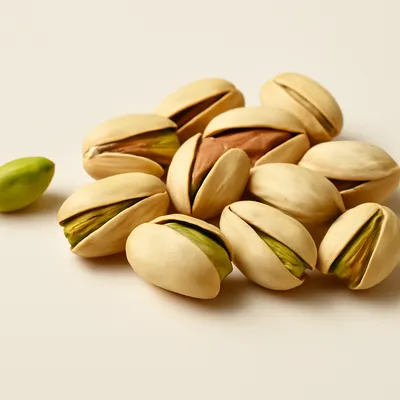
How it's made
7 steps · 40 min active + 50 min waiting
- 13 min
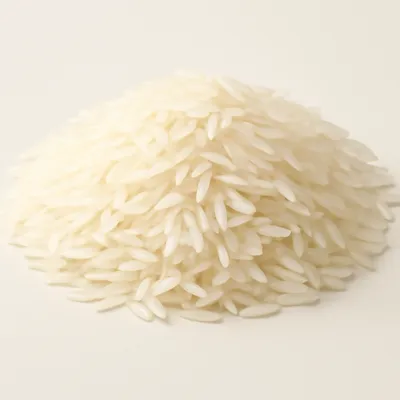
Rinse 1/2 cup short-grain rice (or arborio) in 2 changes of water until water runs nearly clear. Drain.
- 214 min
In a saucepan, combine the rice + 250ml water; bring to a boil; reduce heat; simmer covered 12 min until rice is half-cooked (still has bite). Almost all water should be absorbed.
Watch outStop the water stage when the rice is half-cooked with a bite and almost all water is gone.
- 35 min
Add 1.5L whole milk + 1/4 tsp salt + 2 tbsp cornstarch dissolved in 50ml cold milk. Stir to combine. Bring to a gentle simmer over medium heat, stirring frequently.
- 424 min
Add 150g sugar + 1 tsp vanilla extract (optional) + 1/4 tsp ground mastic (Greek/Turkish tree resin, optional but traditional — gives sütlaç its characteristic faint pine-citrus note). Simmer 20-25 min, stirring frequently (especially the bottom to prevent scorching), until the rice is fully tender and the milk has reduced and thickened slightly.
Watch outSimmer until the rice is fully tender and the milk visibly thickens and coats the spoon.
- 54 min
Divide hot pudding among 6 individual oven-safe ramekins (Turkish güveç clay bowls are ideal; otherwise small ceramic). Tap each ramekin gently on the counter to settle.
- 610 min
Set oven to broil/grill at high (about 240°C). Place ramekins on a baking sheet. Broil 8-12 min until the top forms a deeply golden-brown skin with some darker burnt spots. Watch closely — it goes from golden to burnt in seconds.
Watch outBroil only until the skin is deep golden-brown with a few darker spots, then pull it fast.
- 7245 min
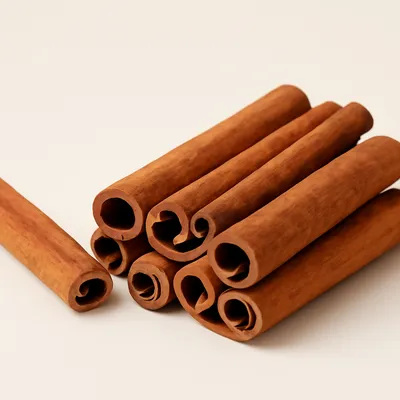
Cool to room temperature, then refrigerate 4+ hours (overnight is better). Serve chilled, garnished with chopped pistachios, walnuts, or a sprinkle of cinnamon. Sütlaç is best 24 hours after making — the flavors meld and the skin softens slightly.
Archive tool suggestions — not reviewed
These legacy suggestions have not been evidence-reviewed and are not presented as required tools.

Flat rectangular metal pan (sheet pan, half-sheet, quarter-sheet), 33×23 cm to 45×33 cm, with a low rim. The flat surface gives even heat for cookies, biscuits, roasted vegetables, sheet-pan dinners. Heavy aluminum sheets conduct heat fastest; non-stick coatings make cleanup easier but can warp over 200°C; rimmed half-sheet is the modern American restaurant standard.

Round metal pot, 14-26 cm diameter, with vertical walls and a long handle, designed for sauces, soups, oatmeal, rice, boiled vegetables. The vertical walls minimize evaporation (vs. a sauté pan). Sizes: 1 qt for melting butter, 2-3 qt for sauces, 4 qt for soups. Stainless-steel-clad aluminum or copper is best for conduction; cast-iron is too thick for delicate sauces.