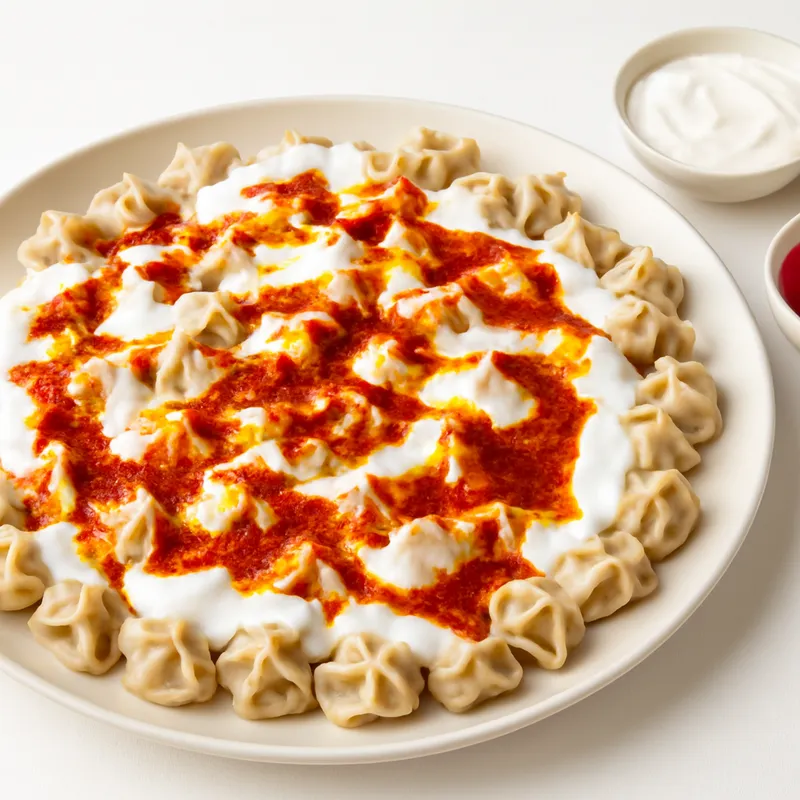
Kazandibi is a milk pudding whose name means "bottom of the cauldron," and it is the deliberately scorched sibling of tavuk göğsü, the Ottoman chicken-breast pudding. A thick custard of milk, sugar, cornstarch and rice flour is poured into a wide pan and held over a low flame until the underside caramelizes to a deep, lacquer-brown skin. Once set and chilled, the slab is cut into rectangles and each piece is rolled or folded so the burnished bottom faces out. The result is a pale, jiggling custard wearing a glossy caramel hide. Many traditional cooks still fold finely shredded chicken breast into the base for its springy thread; modern shops often leave it out.


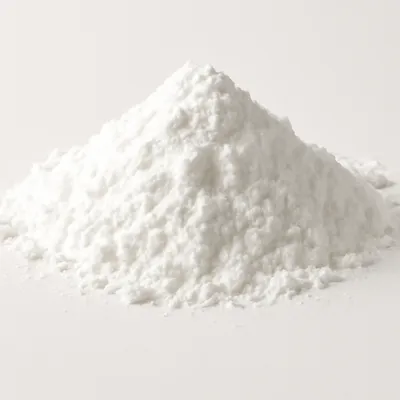
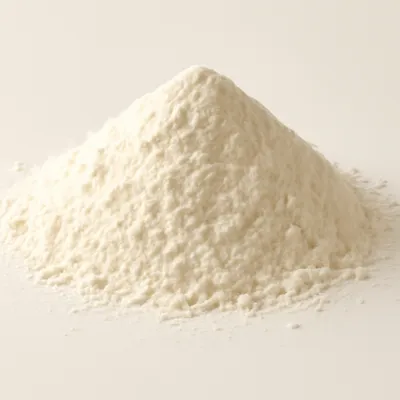
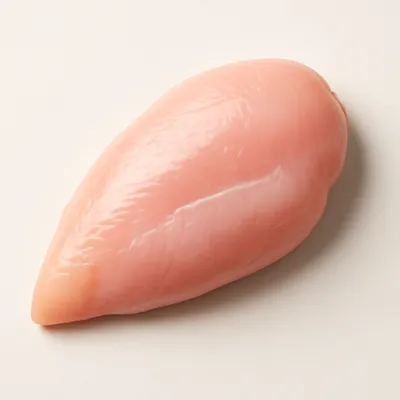
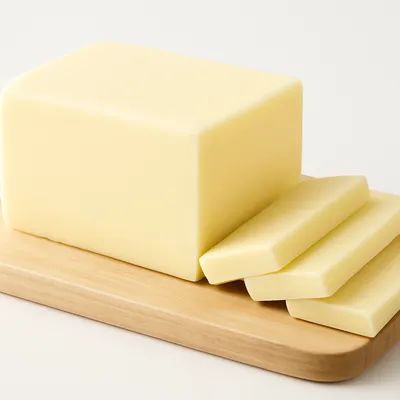
Kazandibi descends from tavuk göğsü, the milk-and-shredded-chicken-breast pudding documented in Ottoman palace kitchens and long served to the sultans at Topkapı. Both desserts share the same base of milk, sugar and pounded chicken thickened with rice flour or starch; kazandibi is the version in which the pan bottom is intentionally taken past set into a caramelized brown layer, then the pudding is rolled so that scorched face shows. Tradition holds that the caramelized variant was discovered when a batch was left too long over the fire, though no precise date or named cook can be confirmed and its exact origin remains uncertain. It should not be confused with two close relatives: sütlaç, the oven-baked rice pudding with a freckled top, and plain tavuk göğsü, the un-scorched parent served as a smooth white slab. Kazandibi's defining traits are the deliberate caramelized bottom and the rolled presentation.
The first impression is the caramel skin: thin, faintly chewy, tasting of toasted milk and brown sugar with a whisper of bitterness at the edge. Beneath it the custard is cool, dense and barely sweet, sliding apart in soft strands rather than crumbling. If chicken is used, you feel its fine springy fibers more than taste them. A dusting of cinnamon and the smell of scorched milk linger after each spoonful.
Two physical processes define the dish. First, the custard sets because rice flour and cornstarch granules swell and burst in hot milk, their released amylose and amylopectin forming a gel that traps water—a starch network firm enough to slice and roll. Second, the prized brown skin is built at the pan bottom, where direct heat above roughly 150°C drives Maillard browning between milk proteins and lactose plus caramelization of the sugars, generating the toasted color, the faintly bitter caramel notes, and a thin layer dehydrated enough to feel chewy. The skill is holding the flame low and moving the pan so the bottom darkens evenly to deep brown without crossing into acrid burning. Folding the chilled slab while it is still pliable lets the gelled custard bend around the leathery skin without cracking.
Variations
The biggest fork is whether to include the traditional shredded chicken breast: heritage recipes and many old İstanbul shops keep it for the signature thread, while convenience versions rely on milk and starch alone. Some pastry houses add a few pieces of crushed mastic (damla sakızı) for resin fragrance, or finish with cinnamon. A popular café format is kazandibili tavuk göğsü, plating the scorched roll beside or atop the plain white pudding. Beyond the classic roll, it may be served flat with the caramel side up, topped with ice cream, or made dairy-light with thinner milk; the constant is always the deliberately caramelized bottom.
On the Palate
Where Kazandibi sits in the Turkish flavor cloud
Ingredients
Serves 6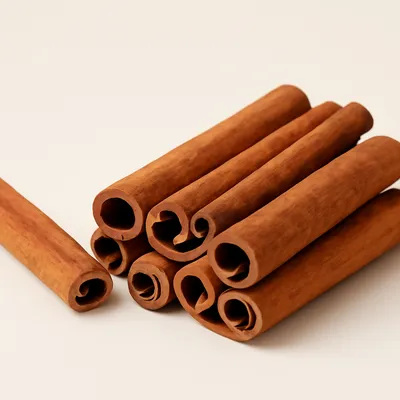
How it's made
7 steps · 20 min
- 120 min
If using chicken, poach one small skinless chicken breast until fully cooked, cool it, then pull it into the finest possible threads and rinse to remove any savory flavor; set aside.
- 25 min
In a bowl, whisk the rice flour and cornstarch into about one cup of cold milk until completely smooth and lump-free.
- 38 min
Pour the remaining milk and the sugar into a wide heavy pan, add the chicken threads if using, and bring to a gentle simmer over medium heat.
- 412 min
Stream in the starch-milk slurry while whisking constantly, then cook, stirring, for about 10 minutes until the mixture thickens to a glossy pudding that coats the spoon.
Watch outWhisk constantly as the starch slurry goes in and cook until it coats the spoon glossily — stop stirring and it catches and turns lumpy on the bottom.
- 515 min
Pour the pudding into a wide buttered or sugar-dusted tray to an even depth, smooth the top, and set it over a low flame; move the tray every minute or so until the entire bottom caramelizes to a deep, even brown (about 10-15 minutes).
Watch outKeep the flame low and shift the tray every minute until the whole bottom caramelizes to an even deep brown — that scorched skin is the whole point, but one hot spot burns black and bitter.
- 6245 min
Cool to room temperature, then chill at least 4 hours until fully set; cut into rectangles, lift each with the caramel side, and roll or fold so the browned face shows.
Watch outChill at least four hours until fully set before you cut and roll — warm, it slumps and the caramel face tears.
- 72 min
Plate caramel-side up and dust with cinnamon before serving.
Archive tool suggestions — not reviewed
These legacy suggestions have not been evidence-reviewed and are not presented as required tools.