A creamy slow-cooked milk-and-rice pudding, plain and pale, eaten cold. Short-grain rice is simmered in milk until the grains swell and dissolve into a soft, loose porridge, then sweetened only lightly or left unsweetened. It is served chilled with its sweetness added at the table — a pool of rosewater-scented sugar syrup, sour-cherry or quince jam, or a spoonful of date honey. A nursery comfort food and a gentle dish for the sick and the fasting, it is the milder, milk-white cousin of saffron-yellow sholeh zard.
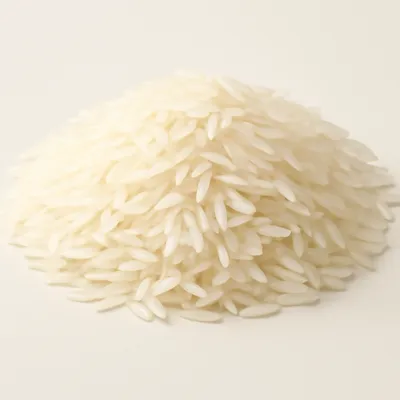




Milk-rice puddings of this kind are among the oldest sweets across Iran and the wider Persian-influenced world, where rice, milk and sugar were the three luxuries of a settled table. Unlike sholeh zard, shir berenj carries no saffron and no votive role; it is everyday domestic cooking, the food a Persian household gives to a child, a new mother, an invalid, or anyone breaking a fast and wanting something soothing on the stomach. Its plainness is the point — the sweetness and perfume are layered on at the table rather than cooked in, so the same pot serves every taste.
Soft and milky, with whole rice grains still just discernible in a loose, slack porridge that should pour, not stand. On its own it is barely sweet and faintly grain-scented; the pleasure is the contrast when a ribbon of rosewater syrup or a dark spoon of sour-cherry jam is folded through, sweet and floral against the bland warm rice. Served cold, it thickens as it sits.
The rice is cooked low and long in milk rather than water, so the grains release their starch into the liquid and bind it to a creamy body without any added thickener — the same principle as risotto, but taken further until the grains half-collapse. Sugar is kept out or kept minimal during cooking, because sugar interferes with the starch swelling and would leave the grains firm and the pudding thin; sweetening at the table avoids this entirely. Frequent stirring near the end keeps the milk from catching and scorching on the pan.
Variations
Eaten with sugar-and-rosewater syrup (the most common); with sour-cherry, quince or fig jam; with date syrup or honey; some cooks add a little rosewater or a knob of butter to the pot itself; a thicker, set version is made for those who prefer to eat it with a fork rather than a spoon.
On the Palate
Where Shir Berenj sits in the Persian flavor cloud
Ingredients
Serves 6How it's made
6 steps · 15 min
- 115 min
Rinse short-grain rice and soak briefly, then bring to a gentle simmer in water until the grains soften and the water is mostly absorbed.
- 210 min
Pour in whole milk and continue simmering on low heat, stirring often, so the grains swell and begin to break down.
Watch outSimmer low and stir often near the end — milk catches and scorches on the bottom fast, and a scorched note taints the whole pot.
- 325 min
Cook slowly until the mixture is thick, creamy and the rice has half-dissolved into a loose porridge, adding more milk if it tightens too fast.
Watch outCook until the grains half-dissolve and it turns creamy and thick enough to coat the spoon — it'll firm up more once chilled, so keep it looser than you want.
- 43 min
Stir in only a little sugar if any, plus an optional splash of rosewater, keeping the pudding pale and loose.
Watch outHold the sugar back to a bare trace or none while cooking — sugar keeps the grains firm and leaves the pudding thin; sweeten at the table instead.
- 5120 min
Cool, then chill thoroughly; the pudding will thicken as it sets.
- 62 min
Serve cold in bowls, each topped at the table with rosewater syrup, jam or date honey to taste.
Archive tool suggestions — not reviewed
These legacy suggestions have not been evidence-reviewed and are not presented as required tools.



