Crisp, spiced chickpea fritters that are a street-food fixture of Abadan and Khuzestan. Ground soaked chickpeas are seasoned heavily — chili, cumin, garlic — fried dark, then packed into bread with pickles and a sharp, tangy sauce. Hotter and more sour than the Levantine version, it reflects the Arab-influenced palate of Iran's southwest. It is eaten on the move, wrapped in flatbread.




Falafel reached Iran through Khuzestan's long border and trade ties with Iraq and the Arab world, and the oil-port city of Abadan made it a local institution — its cosmopolitan, refinery-era street culture is widely credited with popularizing the sandwich in Iran. The Iranian version diverged toward more heat and a more pronounced sourness, served with a thin pink or red sauce and plenty of pickles. While falafel's deeper history is disputed and tied to the Levant and Egypt, its place on Khuzestani streets is firmly local. It remains most associated with Abadan and Khorramshahr.
Shatteringly crisp on the outside, with a coarse, herby, pale-green crumb inside. The spicing is forward — cumin and chili you can taste, not just smell. Wrapped in flatbread with cucumber pickles, raw onion, and a thin tangy sauce, it eats hot, sour, and a little fiery, the bread soaking up the sauce as you go.
The chickpeas must be soaked raw and never boiled: cooked chickpeas carry too much moisture and the fritter disintegrates in the oil. The grind is kept coarse so it traps air pockets that crisp during frying, and the mixture rests so it firms enough to shape. Frying temperature is the other key — around 170 to 175°C; cooler and the fritters drink oil and turn greasy, hotter and the outside scorches before the inside sets. A pinch of baking soda lightens the crumb.
Variations
Some Abadani stands sandwich the falafel with fries inside the wrap; sauces range from a garlicky tahini-like blend to a vinegary chili sauce locals call "sir-o-sirke" style. Mango pickle (amba), brought over from across the Gulf, is a common addition. Sizes vary from small balls to flat patties, and the chili level climbs the further south you go.
On the Palate
Where Falafel Abadani sits in the Persian flavor cloud
Ingredients
Serves 4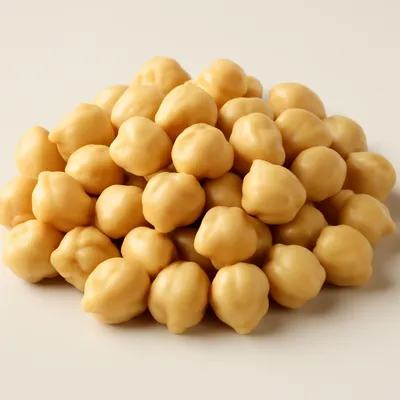
How it's made
7 steps · 30 min
- 1480 min
Soak dried chickpeas in plenty of cold water overnight, at least 8 hours, then drain well and pat dry.
Watch outUse raw chickpeas soaked overnight, never boiled — cooked chickpeas hold too much water and the fritter falls apart in the oil; the soaked raw grind is what holds together and crisps.
- 210 min
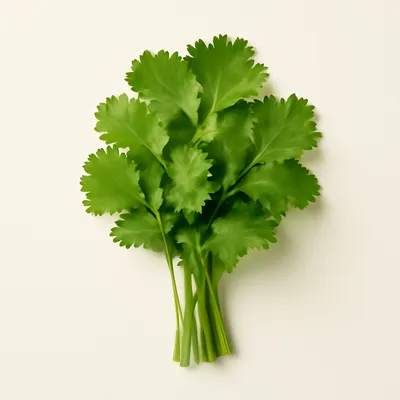
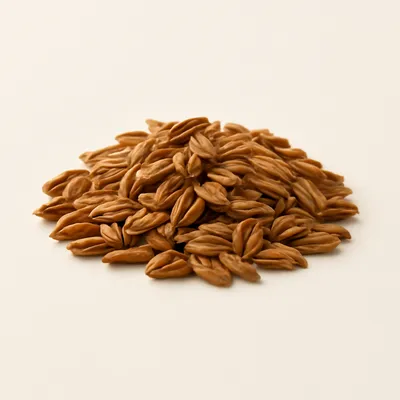
Grind the raw chickpeas with onion, garlic, cilantro, cumin, and chili to a coarse, slightly textured paste.
- 330 min
Season with salt and a pinch of baking soda, mix, and rest 30 minutes so the mixture firms up.
- 48 min
Shape into small balls or flat patties by hand.
- 512 min
Heat oil to about 170 to 175°C and fry in batches until deep golden-brown and crisp, 3 to 4 minutes.
Watch outFry at 170–175°C until deep golden-brown and crisp, 3–4 minutes — cooler and the fritters drink oil and turn greasy, hotter and the outside scorches before the inside sets.
- 65 min
Drain on paper and meanwhile stir together a thin tangy sauce.
- 73 min
Stuff into warm flatbread with pickles, onion, and the sauce, and eat at once.
Archive tool suggestions — not reviewed
These legacy suggestions have not been evidence-reviewed and are not presented as required tools.