Strong black tea brewed in the upper pot of a samovar, then diluted glass by glass with hot water from below to each drinker's preferred strength. It is served in a small waisted glass (estekan) and sweetened not by stirring in sugar but by holding a cube of rock sugar or saffron rock candy (nabat) between the teeth and drinking the tea through it. Taken from breakfast to bedtime, it is the social and ceremonial heart of every Iranian household and teahouse.



Tea reached Persia along the Silk Road during the Safavid era, but coffee remained dominant until the nineteenth century, when tea overtook it under the Qajars. Iran's own cultivation is credited to Mohammad Mirza Kashef-os-Saltaneh, a Qajar diplomat who studied the plantations of India and is said to have smuggled seedlings home around 1900 to found the tea gardens of Gilan, earning him the title father of Iranian tea. The two-tiered samovar arrived through Russian trade in the mid-1800s and remains the iconic vessel of the ritual.
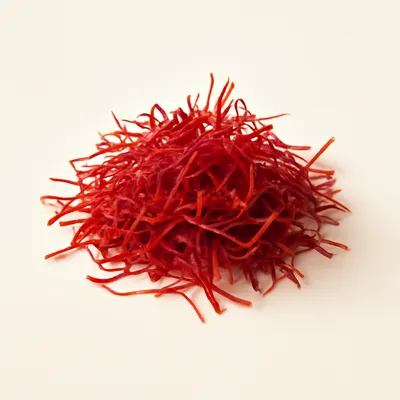
Brisk, malty, and deeply astringent, the brew is meant to be taken hot enough to fog the glass. The rock sugar dissolves slowly across the tongue, so each sip starts sweet and finishes with a clean tannic bite. A thread of saffron in the nabat lends a faint honeyed, hay-like perfume.
Holding the leaf in the small upper pot over the steaming reservoir keeps the concentrate hot without stewing it bitter; diluting at the glass lets each drinker tune the strength. Drinking through a held sugar cube, rather than dissolving it, keeps the liquor's astringency intact while sweetening only the sip that passes over it, a thrift rooted in eras when sugar was costly.
Variations
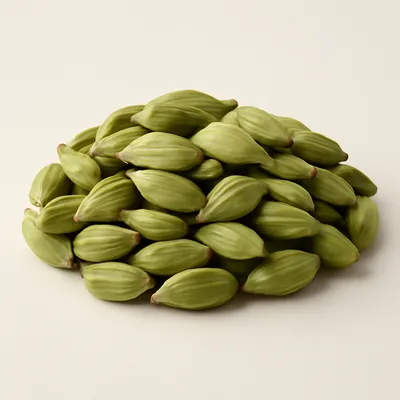
Plain black, or scented with cardamom, cinnamon, dried rose, or a saffron strand; sweetened with ghand sugar cubes, nabat, or a date held in the cheek; brewed darkest and longest in traditional teahouses.
On the Palate
Where Persian Tea sits in the Persian flavor cloud
Ingredients
Serves 4How it's made
6 steps · 5 min
- 18 min
Fill the samovar reservoir with water and bring to a rolling boil.
- 22 min
Warm the small teapot, add 3 to 4 teaspoons loose black tea, and a pinch of cardamom or a rose bud if using.
- 313 min
Pour a little boiling water over the leaves, set the pot atop the samovar, and let the concentrate steep 10 to 15 minutes without boiling.
Watch outLet the leaves steep atop the samovar without ever boiling — the steam keeps it hot while a real boil stews the tea bitter and flat.
- 41 min
Pour an inch of dark concentrate into each waisted glass.
- 51 min
Top up from the samovar tap with hot water to the strength each drinker prefers.
Watch outJudge the pour by color — the glass should turn a clear amber-red; too dark and it'll pucker your mouth.
- 61 min
Serve scalding hot with rock sugar, nabat, or dates alongside, drinking the tea through the sweet held in the mouth.
Archive tool suggestions — not reviewed
These legacy suggestions have not been evidence-reviewed and are not presented as required tools.


