Sholeh Mashhadi is a thick, porridge-like one-pot from Mashhad in which beef or lamb is simmered for hours with mung beans, lentils, red beans, wheat bulgur and rice until everything collapses into a dense, spiced mass. The meat is pulled and folded back in, and warm spices — cinnamon, cardamom, ginger, nutmeg — give it depth. Closer to a savory haleem than a soup, it is laborious and made in great quantity, which is why it is rarely cooked at home and almost always tied to gatherings. In Razavi Khorasan it is the defining votive food of Muharram, ladled out by the potful as a religious offering.


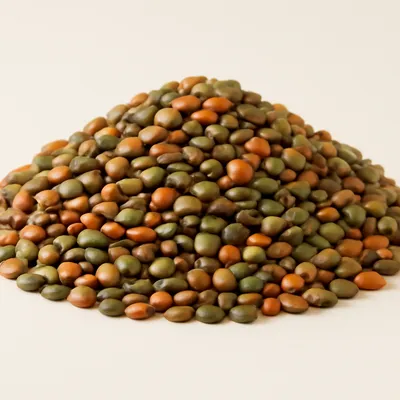
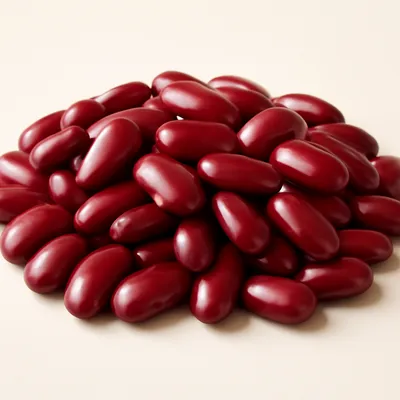


Sholeh Mashhadi is documented as a Qajar-era dish and has long been a staple of Mashhad's table; it has been recorded among Iran's culinary heritage. Its enduring role is religious and communal: it is the best-known nazri, or votive food, of Muharram in Razavi Khorasan, cooked in enormous pots and given away to neighbors and pilgrims as a vow fulfilled. Because the preparation is slow and costly — hours of simmering and a long list of legumes and grains — it is associated with weddings, mourning ceremonies and especially the days of Muharram rather than with everyday cooking.
Thick enough to stand a spoon in, smooth on the tongue with a faint grain from the bulgur and a pull of slow-cooked meat. The taste is deeply savory and gently warming — cinnamon and cardamom in the background, a little heat from pepper and ginger. A drizzle of melted butter or a dusting of cinnamon on top is common. One bowl is a meal; it sits heavy and comforting, food made to be shared in cold weather.
The long, slow simmer is the whole technique: collagen in the cheap cut breaks down into gelatin so the meat shreds and the broth turns silky, while the starches from rice, bulgur and the three legumes swell and burst, thickening the pot into a near-paste. Stirring through the cook keeps it from catching and helps the grains and pulses dissolve evenly. Pulling and returning the meat distributes it through the mass, and the warm spices are added late so their aromatics are not boiled away.
Variations
Some cooks use lamb, others beef; the legume mix varies between mung beans, lentils, red beans and split peas. The spice blend differs household to household, with ginger, nutmeg and cardamom common. A leaner version skips some of the beans, while a richer one finishes with extra butter. Beyond Mashhad, similar slow porridges of meat and grain appear across Iran under other names.
On the Palate
Where Sholeh Mashhadi sits in the Persian flavor cloud
Ingredients
Serves 12


How it's made
8 steps · 1 hour
- 115 min
Soak the mung beans, lentils and red beans separately for several hours or overnight.
- 215 min
Brown the meat with chopped onion and a little turmeric in a large heavy pot.
- 3150 min
Cover generously with water and simmer the meat low and slow until very tender.
Watch outSimmer the meat low until a strand pulls apart with no tug — if it still fights back, the broth won't turn silky.
- 460 min
Add the soaked legumes and continue to simmer until they begin to break down.
- 545 min
Stir in the rice and wheat bulgur and cook, stirring often, until the pot thickens.
Watch outStir often as the grains go in — the pot wants to catch and scorch the moment it thickens, and a scorched bottom taints the whole pot.
- 615 min
Lift out the meat, shred it, and fold it back through the mass.
- 730 min
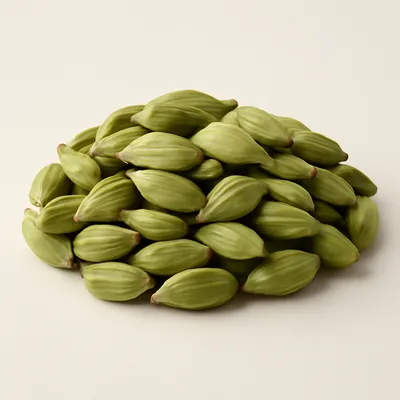
Season with cinnamon, cardamom, ginger, nutmeg, salt and pepper and simmer to blend.
- 85 min
Ladle into bowls and finish with melted butter and a dusting of cinnamon.
Archive tool suggestions — not reviewed
These legacy suggestions have not been evidence-reviewed and are not presented as required tools.



