Sohan is the signature saffron brittle toffee of Qom, a golden, glassy disc snapped from a cooked caramel of wheat-sprout extract, flour, sugar and butter, perfumed with saffron, cardamom and rosewater and showered with slivered pistachios and almonds. Poured thin and set hard, it shatters at the bite into a buttery, faintly bitter-honeyed crunch. Pilgrims to the shrine city carry it home in tins, and it ranks among Iran's most prized edible gifts. The name is the Persian word for a file or rasp, after the way the rich sweet was said to 'scour' a heavy stomach.



Sohan is a specialty of Qom, the Shi'a shrine city south of Tehran, and its modern form is dated to the late Qajar period, around the 1910s. A local account credits a confectioner, Mollah Ibrahim Shammai, who presented a new halva-like sweet to a court official; the man remarked that it had worked like a sohan — a file — on his stomach and helped his digestion, and the name stuck. The Austrian traveler Alfons Gabriel, crossing the Iranian deserts in the early twentieth century, recorded sohan-e Qom as a renowned flour-sugar-butter-and-pistachio confection sent to the farthest cities of Iran. Its making passed down through Qom families and became a defining craft of the city.
A thin golden shard that snaps clean and then dissolves to a buttery, brittle crunch on the tongue. Sweet first, with a toasted, almost caramel depth from the cooked flour and butter, and a faint bitter edge that saffron and a touch of scorch give it. Cardamom and rosewater hum underneath. Slivered pistachios and almonds stud the surface for a nutty break. It is rich enough that one or two pieces with bitter tea is the measure.
Sohan is a caramel brittle built on a flour roux. Wheat sprout extract and flour are cooked slowly in butter so the starches toast and brown, then sugar (and sometimes honey) is dissolved in and boiled to the hard-crack stage, the temperature that sets a clear, snapping sheet rather than a chewy toffee. Saffron, cardamom and rosewater go in late, off the worst of the heat, so their volatile aromatics survive. The molten sheet is spooned into thin rounds onto a cool surface, scattered with nuts, and left to set glassy. Pull the syrup short of hard-crack and it stays sticky; cook it too far and it tastes burnt.
Variations
Qom's classic saffron sohan is the benchmark, poured into flat rounds dense with pistachio. Sohan-e asali is a honey version, sohan-e konjedi is studded with sesame, and sohan-e loghmeh is shaped into small bite-sized clusters. Sohan halva is a softer, fudgier cousin, while sohan pashmaki is spun fine like cotton candy. Quality tracks the saffron and nut grade; cheaper grades thin the pistachio or lean harder on sugar.
On the Palate
Where Sohan sits in the Persian flavor cloud
Ingredients
Serves 16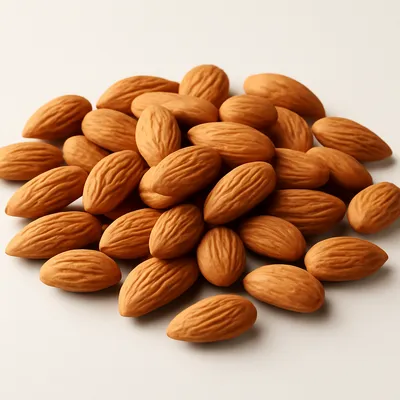
How it's made
8 steps · 25 min
- 15 min
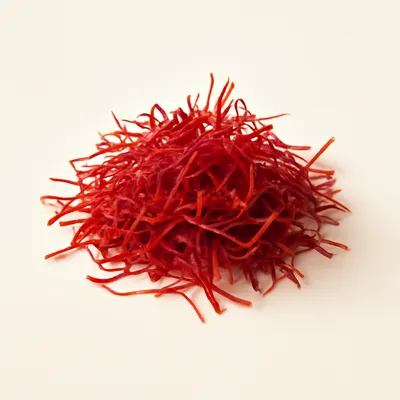
Steep saffron in a little hot rosewater and set aside.
- 212 min
Toast flour and wheat-sprout extract in melted butter until nutty and pale gold.
Watch outToast the flour to nutty and pale gold, no darker — this is where the caramel gets its depth, but burnt roux tastes acrid.
- 36 min
Dissolve sugar into the roux and bring to a steady boil.
- 48 min
Cook the syrup to the hard-crack stage, watching the color.
Watch outTake the syrup to hard-crack — a drop in cold water snaps clean; pull it short and it stays sticky toffee.
- 52 min
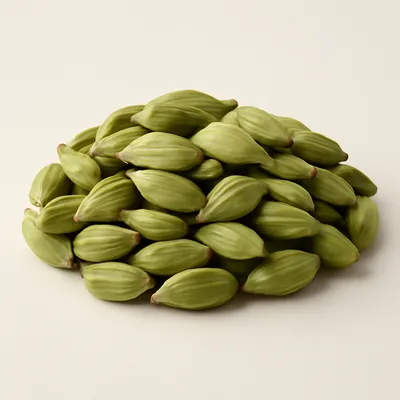
Stir in the saffron-rosewater and ground cardamom off the fiercest heat.
Watch outSaffron, cardamom and rosewater go in off the fiercest heat — high heat burns off their aroma.
- 64 min
Spoon thin rounds of the molten caramel onto a cool, oiled surface.
- 72 min
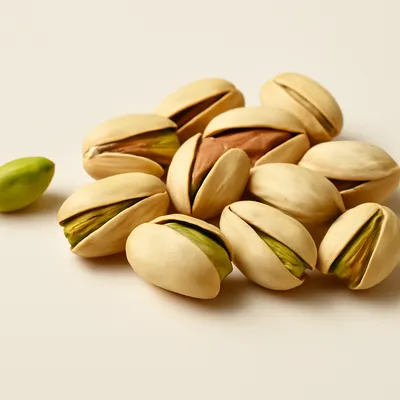
Scatter slivered pistachios and almonds over each round at once.
Watch outScatter the nuts on at once, while the discs are still molten — wait and they won't stick.
- 860 min
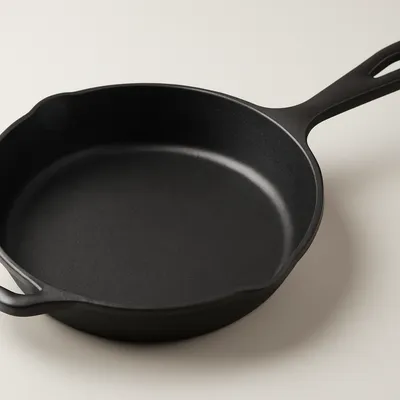
Let the discs set hard and glassy, then lift and store airtight.
Archive tool suggestions — not reviewed
These legacy suggestions have not been evidence-reviewed and are not presented as required tools.