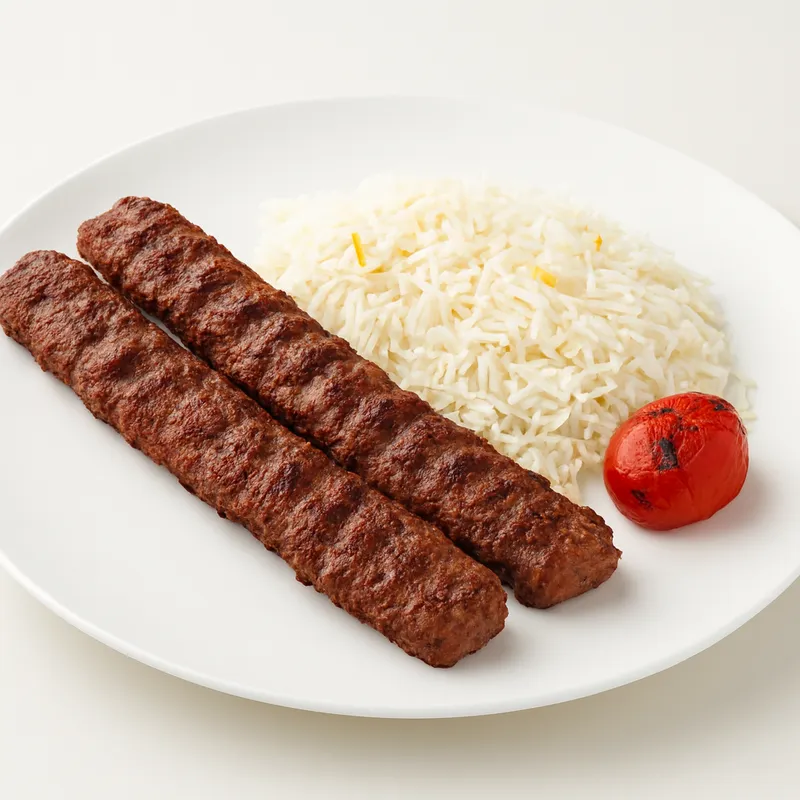
The chicken tahchin: a saffron-yogurt rice cake baked until its bottom sets into a single sheet of deep-golden crust, with a layer of tender shredded chicken hidden through the middle and tart barberries scattered over the top. Unlike plain tahchin, the chicken is the heart of the dish — poached or braised in saffron and onion, then layered into the rice before baking. Inverted onto a platter, it is sliced like a cake to show the crisp base against the soft saffron interior. A celebration dish, served at weddings and feasts.


The chicken-layered form of tahchin, a Persian molded-rice dish whose name combines tah (bottom) and chin (to arrange) — literally arranged at the bottom, describing the prized crust baked against the dish. Tahchin's current baked-cake form is traced to at least the Qajar era (1789–1925); its deeper roots lie in the pre-Islamic Persian habit of rice cooked with yogurt to a scorched bottom, later refined by the Safavid court into formal polo technique. Tahchin is the only major Persian rice dish baked in an oven rather than steamed in a pot, and the chicken version is its most common festive form.
A wedge cut from a baked rice cake. The bottom, now the top after inverting, is a crackling sheet of saffron-gold crust that shatters under the fork; below it the rice is soft, stained yellow and rich with yogurt. Through the middle runs a seam of moist shredded chicken. Barberries scattered over the surface burst sour against the buttery rice. The contrast you chase is the brittle, almost candied base against the tender saffron crumb.
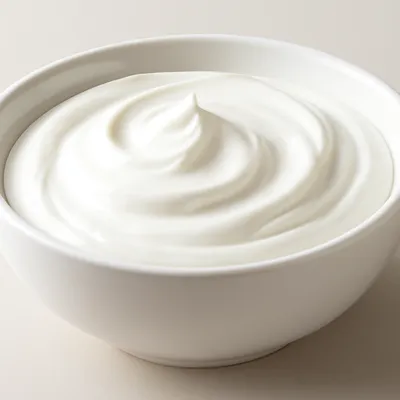
Strained full-fat yogurt and egg yolks are whisked with bloomed saffron, then folded into parboiled rice; during baking the proteins coagulate and weld the rice into a cake firm enough to slice and invert. The yogurt must be thick and full-fat — low-fat versions break and weep, and the cake collapses when turned out. A generous bed of the saffron-rice mix is pressed hard against an oiled base so the crust forms there, the chicken layered in, more rice on top. It bakes long and uncovered, around 180C for at least 75 minutes, to let the bottom set into crust.
Variations
The canonical filling is chicken (tahchin morgh); lamb (tahchin gusht) and spinach (a meatless tahchin esfenaj) are the main alternatives. Some cooks marinate the chicken in saffron-yogurt as well, so the whole dish shares one flavor; others poach it plainly in onion and saffron. Modern Tehran restaurants bake individual ramekins for single portions. Iranian-Jewish cooks often fold barberries through the rice as well as scattering them on top.
On the Palate
Where Tahchin Morgh sits in the Persian flavor cloud
Ingredients
Serves 6

How it's made
8 steps · 40 min
- 118 min
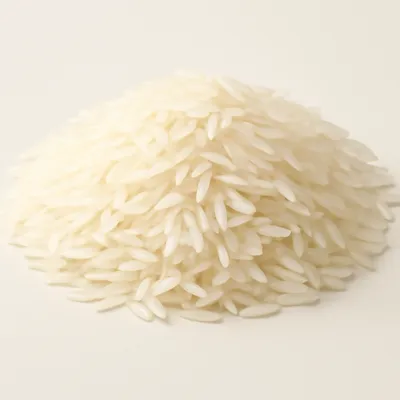
Parboil basmati rice in salted water until just al dente, then drain
Watch outPull the rice while the core is still firm — it finishes cooking in the bake, and mushy parboiled rice will never set into a sliceable cake.
- 235 min
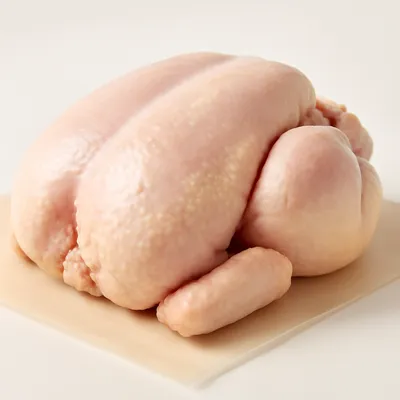
Poach or braise the chicken with onion, turmeric and saffron until tender, then shred the meat
- 312 min
Whisk strained full-fat yogurt with egg yolks and bloomed saffron, then fold in half the parboiled rice
- 48 min
Oil a baking dish well and press the saffron-yogurt rice firmly into the bottom to form the crust layer
Watch outPress the saffron-yogurt rice hard against the oiled base — a loose bed never forms the deep-gold crust that lets the cake invert whole.
- 55 min
Spread the shredded chicken over the rice and scatter over sauteed barberries
- 63 min
Top with the remaining plain rice and press down gently
- 780 min
Bake uncovered at 180C for at least 75 minutes until the base sets into a deep-golden crust
Watch outBake uncovered the full time until the base is deep gold and firm — cut it short and the crust stays pale and the cake collapses when turned out.
- 85 min
Loosen the edges, invert onto a platter, slice into wedges and garnish with more barberries
Archive tool suggestions — not reviewed
These legacy suggestions have not been evidence-reviewed and are not presented as required tools.