
Bolivia's juicy breakfast empanada — a baked half-moon pastry stuffed with stewed meat, potato, pea, olive, egg, and raisin in a gelatin-rich broth that turns liquid when warmed. You bite carefully or it spills down your shirt. Eaten only in the morning (after lunch is considered wrong).





The juicy broth-filled empanada most likely originated in Potosí, the colonial silver city, possibly as early as the 16th century; the name 'salteña' came much later, in the Republican era, meaning 'the one (made by a woman) from Salta.' The most popular legend credits Juana Manuela Gorriti, a 19th-century exile from Salta, Argentina, who sold her hometown empanadas to support her family — though historians doubt the link, since the recipes in her own cookbook use neither ají nor potato, the two essentials of the Bolivian salteña. However the name arose, the juicy gelatin technique was refined in Bolivia to suit the dry, cold highland climate.
Bite the dome end carefully — hot juice rushes out (this is why salteñas are eaten standing, leaning forward, with a napkin). Pastry: tender-flaky, slightly sweet from the dough. Filling: meaty + slightly spicy + the unexpected sweet of raisin + briny olive + the runny gelatin broth. Most complex empanada on earth.
Gelatin in cold filling turns liquid when oven-heated — recreates an instant broth inside the pastry. Solidifying filling before assembling is the only way to wrap loose stew safely. Repulgue crimping (a tight rope braid) holds the seal against internal steam pressure during baking. Annatto-oil in dough gives the signature gold-orange.
Variations
Salteña de Pollo (chicken instead of beef). Salteña de Carne (beef, the classic). Salteña Picante (spicier, with extra ají rojo). Tucumana (a fried Bolivian empanada cousin, smaller and not as juicy). A llajwa-spiced version, served with Bolivia's native chili-tomato salsa.
On the Palate
Where Salteñas sits in the Bolivian flavor cloud
Gelatin stirred into the hot filling sets it solid when chilled and melts back to broth in the oven — you must chill the filling firm overnight so you can wrap loose stew without it leaking.
Ingredients
Serves 6







How it's made
10 steps · 1 hour 30 min active + 2 hours 30 min waiting
- 110 min
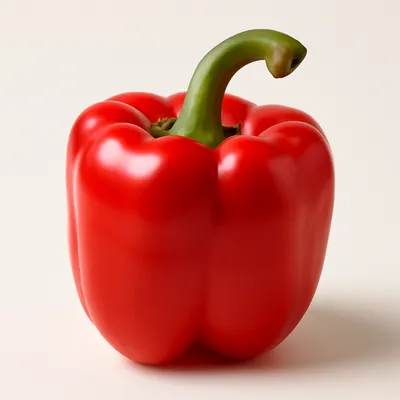
Make filling 1 day ahead. Heat oil in a pot; sauté 1 finely diced onion + 4 minced garlic + 1 diced bell pepper 8 minutes until soft.
- 28 min
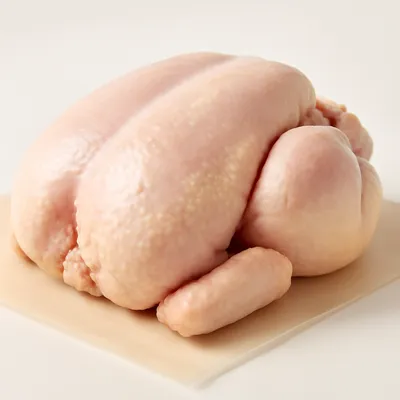
Add 500 g diced beef shoulder (or chicken thigh); brown 8 minutes.
- 32 min
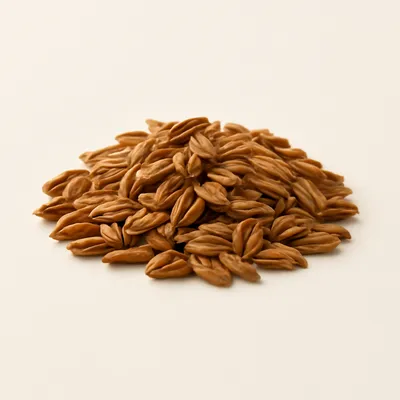
Add 1 tsp cumin + 1 tsp paprika + 1 tsp aji panca chili paste (or smoked paprika) + 1 tsp oregano + salt. Stir 1 minute.
- 41 min
Pour in 500 ml beef stock + 2 tbsp gelatin (the secret — this turns broth solid when cold then liquid when baked).
- 540 min
Simmer 30 minutes. Add 2 diced cooked potatoes + 1 cup peas. Simmer 5 more minutes. Cool then refrigerate overnight — the broth must set firm.
Watch outAfter the final simmer, chill overnight until the broth sets firm enough to cut into clean 1.5cm cubes.
- 640 min
Make dough: mix 500 g flour + 1 tsp salt + 1 tbsp sugar. Add 150 g cold lard or butter, rub in. Add 1 egg + 150 ml warm water + 1 tbsp annatto-infused oil (for color). Knead 5 minutes. Rest 30 min covered.
- 75 min
Cut cold solidified filling into 1.5 cm cubes. Have ready: sliced black olives, halved hard-boiled egg wedges, raisins.
- 812 min
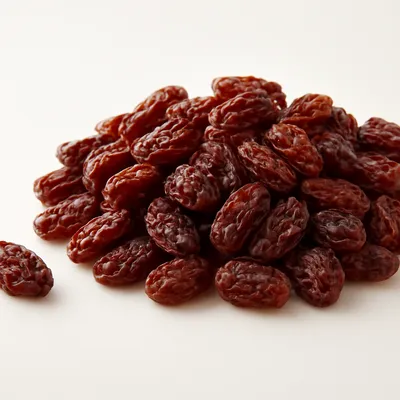
Divide dough into 12 balls; roll each into a 15 cm oval. Place 2 tbsp filling cube + 1 olive + 1 egg wedge + 2 raisins in center.
- 97 min
Fold dough over filling into half-moon. Crimp the curved edge with the traditional Bolivian repulgue (a twisted rope pattern) — seal firmly so no juice leaks.
Watch outCrimp the curved edge tight in a twisted rope so no juice can escape under baking pressure.
- 1025 min
Place on parchment, brush with beaten-egg + milk wash. Bake at 230°C for 18-22 minutes until deep gold and the filling-juice bubbles inside.
Watch outBake at 230°C until deep gold and you can see the filling-juice bubbling inside — that's the gelatin turned to broth.
Archive tool suggestions — not reviewed
These legacy suggestions have not been evidence-reviewed and are not presented as required tools.


