
The signature dish of the mining city of Oruro: salted, sun-dried meat (charque) of llama or beef, soaked overnight to draw out the salt, briefly boiled, then pounded soft, shredded and deep-fried into shatteringly crisp, dark, salty threads. It is heaped with mote (hominy), boiled potatoes, a slice of cheese and hard-boiled egg, with llajua.
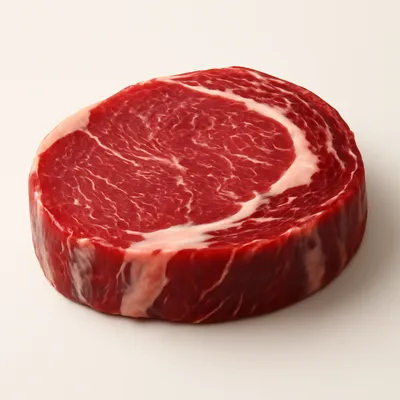
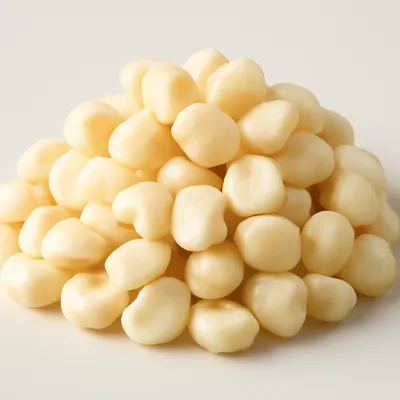



A traditional dish of Oruro that traces back to the local Uru people. Sun-drying salted meat (charque) for preservation in the dry, cold highlands is a pre-Hispanic practice, originally using wild guanaco and llama and later beef once cattle reached the Americas. The dish spread among Oruro's miners because charque keeps well; it began simply as charque de llama with mote, later gaining boiled potatoes and local criollo cheese, then hard-boiled egg and the indispensable llajua. Today it is Oruro's emblematic dish, eaten especially during the city's famous Carnival (a UNESCO Masterpiece of the Oral and Intangible Heritage of Humanity).
Intensely savory and salty, the fried meat is like crisp, umami-packed confetti that crackles between the teeth. The bland, starchy mote and potato and the mild cheese cool and balance it, while sharp llajua cuts the salt. A bold, textural plateful.
Drying first draws out the meat's water and concentrates its proteins and salt, giving it deep umami and a heavy salt edge. Soaking and boiling before frying removes some of that salt and softens the meat, while pounding ruptures its tight fibers so hot oil can penetrate and flash-fry each strand crisp. The dry-then-fry sequence is what makes the threads explosively savory and shatteringly crisp.
Variations
Made with llama charque or beef charque, sometimes served with chuño as well as mote; regional plating with extra cheese.
On the Palate
Where Charquekán Orureño sits in the Bolivian flavor cloud
Ingredients
Serves 4How it's made
7 steps · 30 min
- 120 min
Soak the dried charque meat briefly to soften it and reduce excess salt.
Watch outSoak the dried meat only briefly until it flexes — a quick dip pulls excess salt, but leave it too long and it turns waterlogged and won't crisp when fried.
- 215 min
Pound the meat with a mallet or stone until the fibers loosen and fray apart.
Watch outPound until the fibers fray into loose strands — well-loosened meat lets the hot oil rush in and flash-fry each thread crisp; tight fibers fry tough.
- 330 min
Boil the mote (hominy) and potatoes separately until fully tender.
- 410 min
Deep-fry the pounded meat in hot oil until it turns golden, crisp and shreds easily.
Watch outFry until the threads turn golden and crackle and shred at a touch — that shattering crispness is the whole point, so don't pull them soft.
- 53 min
Drain the fried meat threads well on paper to keep them crunchy.
- 65 min
Arrange the meat on a plate with mote, potato halves, cheese slices and egg.
- 72 min
Spoon llajua over or alongside and serve immediately while the meat is crisp.


