
The cold, olive-oil version of stuffed grape leaves: brined vine leaves rolled tightly and thinly around a filling of rice cooked with onion, pine nuts, currants and herbs, then braised gently in olive oil and lemon and served at room temperature. Sarma means rolled, and this is the rolled-leaf form specifically — distinct from dolma, the broader family of stuffed vegetables. It is a benchmark Aegean meze, judged on how slim and even the rolls are.

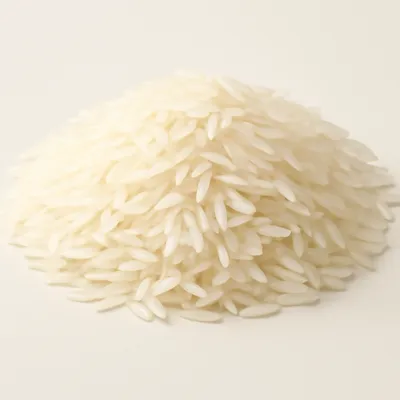


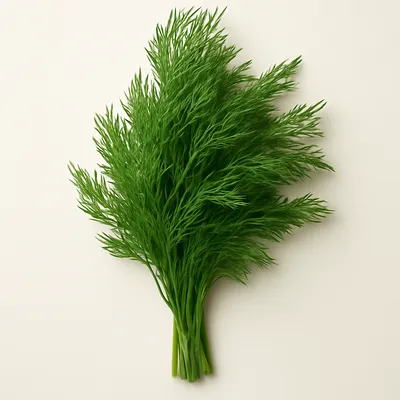

Stuffed grape leaves are an old Ottoman dish, and the olive-oil cold version belongs especially to the Aegean coast and Istanbul, where the meatless zeytinyağlı tradition is strongest. Within Turkish usage, sarma (rolled) names the leaf-wrapped form, while dolma (filled) covers vegetables stuffed through a cavity, such as peppers and tomatoes; the two terms overlap loosely in everyday speech but describe different shapes. Related rolled-leaf dishes run across Greece, the Levant and the Caucasus, all branches of the same Ottoman tradition.
Each roll is finger-slim and firm, the leaf tender enough to bite cleanly but with a faint tannic edge, the rice inside fragrant with dill, mint and onion. Currants give little bursts of sweetness, pine nuts a soft resinous crunch, and the olive oil and lemon a clean, cool acidity over everything. Served at room temperature, never hot — the cold is part of the dish.
The rice is only half-cooked before rolling so it can finish by absorbing the braising liquid and swell to fill the leaf without bursting it; a fully cooked filling would turn mushy. Rolling tight and packing the pot, weighted with a plate, stops the parcels unravelling as they steam. Lemon and olive oil go in for the braise and again at the end, because acidity dulls under prolonged heat, and cooling lets the oil set so each roll glistens rather than sits in liquid.
Variations
Aegean cold rolls keep to the olive-oil, herb-and-currant filling; the inland Anatolian etli version uses minced lamb and is eaten hot with yogurt. Some cooks add a little tomato or cinnamon to the rice; the leaves may be fresh in season or brined the rest of the year. Greek versions often drop the currants.
On the Palate
Where Yaprak Sarma sits in the Turkish flavor cloud
Ingredients
Serves 6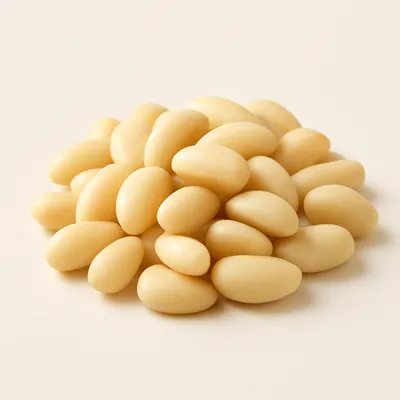

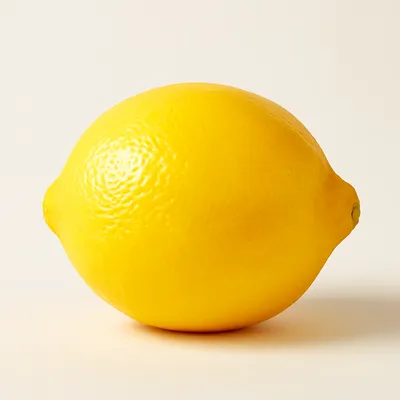
How it's made
6 steps · 1 hour 15 min
- 120 min
Soak brined grape leaves in warm water to remove excess salt, or blanch fresh leaves briefly, and trim the stems.
- 215 min
Soften chopped onion in olive oil, add rice, pine nuts and currants and cook briefly, then stir in dill, mint, salt and a little water until the rice is half-cooked.
Watch outCook the rice only to half-done before rolling — it finishes by drinking the braising liquid inside the leaf; fully cooked now and the filling turns to mush and bursts the leaf.
- 340 min
Lay a leaf vein-side up, place a line of filling near the stem end, fold in the sides and roll tightly into a slim cigar.
- 410 min
Line a pot with spare leaves and pack the rolls in tight seam-side down in close rows.
- 540 min
Add olive oil, lemon juice and enough water to barely cover, weight with a plate, and braise gently until the rice is tender and the liquid absorbed.
Watch outWeight the packed rolls with a plate and braise gently — the weight and tight packing keep them from unrolling as they steam.
- 630 min
Cool in the pot, then serve at room temperature with extra lemon.
Archive tool suggestions — not reviewed
These legacy suggestions have not been evidence-reviewed and are not presented as required tools.



