
A cold octopus salad served as a meze, a fixture of the Aegean and Marmara coast and a staple of the rakı table. Tender boiled octopus is cut into pieces and dressed simply with plenty of olive oil, lemon juice, and fresh herbs, sometimes with a little chopped pepper and onion. It is meant to be cool, clean, and acidic — the kind of dish that opens a long seafood dinner rather than fills it.

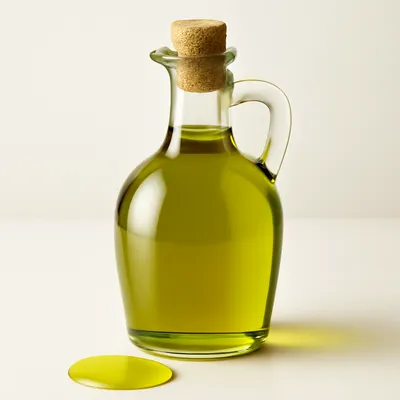
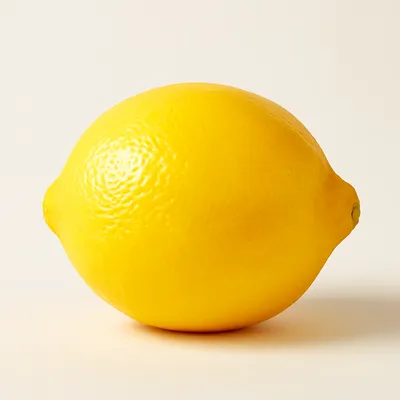

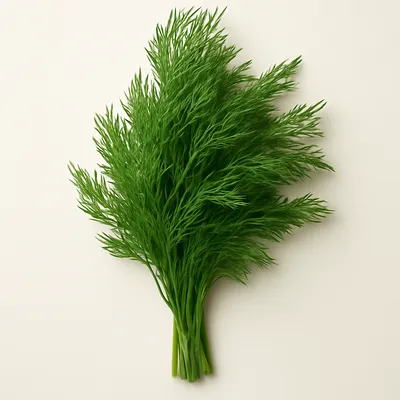

Octopus has been eaten around the Aegean since antiquity, and the cold dressed-octopus meze belongs to the shared table culture of the Turkish and Greek coasts — in Turkey it is a meyhane and balık restoran (fish restaurant) standard, ordered among the soğuk meze (cold starters) that arrive at the start of a rakı meal. It is most associated with the İzmir and Aegean coastline and the fishing communities of the Marmara islands, where the catch is local. The preparation is unfussy by design: the skill is entirely in cooking the octopus to tenderness, after which the dressing is barely more than oil and lemon.
Cool, springy-tender octopus that yields cleanly to the bite with no rubberiness, slicked in fruity olive oil and sharp with lemon. The flesh is mild and faintly sweet, the herbs (parsley, dill) green and fresh, the acidity bright. Good versions have a little char or grill-mark on the tentacle tips for smoke; the texture should never squeak against the teeth. Best eaten chilled, with bread to mop the lemony oil at the bottom of the plate.
Tenderizing the octopus is the entire technique. Octopus muscle is dense with collagen that turns rubbery if undercooked and only relaxes into tenderness with long, gentle simmering. Cooks boil it slowly — often with a wine cork in the pot, a folk practice, or with onion and bay — for 45 to 90 minutes until a knife slides into the thickest part of a tentacle. Crucially the octopus is left to cool in its own cooking liquid, which keeps it from seizing and toughening. Only then is it cut and dressed. The acid of the lemon is added cold, at the end, so it seasons without 'cooking' and firming the surface.
Variations
The simplest version is just boiled octopus, oil, lemon, and parsley; richer ones add diced red onion, green pepper, capers, or a spoon of mustard. A popular treatment chars the boiled tentacles briefly on the grill (ahtapot ızgara) before dressing, for a smoky edge. Some Aegean kitchens add boiled potato or chickpeas to make it more substantial. The dish overlaps with the wider Mediterranean octopus salad but stays distinctly meze-scaled and rakı-oriented.
On the Palate
Where Ahtapot Salatası sits in the Turkish flavor cloud
Ingredients
Serves 4

How it's made
7 steps · 30 min
- 110 min
Clean the octopus, removing beak and innards; rinse well.
- 25 min
Bring a large pot of water to a gentle simmer with an onion and a bay leaf (a wine cork is the traditional addition).
- 370 min
Lower the octopus in and simmer gently 45-90 minutes until a knife slides easily into the thickest tentacle.
Watch outIt's tender when a knife slides easily into the thickest tentacle — under that it stays rubbery, so give it the full 45 to 90 minutes.
- 460 min
Turn off the heat and let the octopus cool completely in its cooking liquid so it stays tender.
Watch outLet it cool right in its own cooking liquid — lift it out hot and the octopus seizes and toughens as it cools.
- 58 min
Drain, peel off any loose skin if desired, and cut the tentacles into bite-size pieces.
- 66 min
Toss with olive oil, lemon juice, chopped parsley and dill, and a little salt; add diced onion or pepper if using.
- 730 min
Chill at least 30 minutes and serve cold with bread.
Archive tool suggestions — not reviewed
These legacy suggestions have not been evidence-reviewed and are not presented as required tools.



