A classic Turkish zeytinyağlı (olive-oil) meze of dried broad beans — or, in much of Turkey, yellow split peas — slow-simmered with onion and plenty of olive oil into a smooth purée, then poured into a tray to set firm as it cools. Once chilled it is cut into squares or slices and served cold, topped with chopped dill, sliced raw onion, lemon and a final pour of olive oil. It is a fixture of İzmir and Aegean tables and of the Istanbul meyhane (tavern), eaten at room temperature alongside rakı. The Greek fava Santorinis is a related cousin but is served as a looser, warmer purée rather than a sliceable set.



Fava belongs to the Aegean and Istanbul tradition of zeytinyağlılar — vegetables and pulses cooked in generous olive oil and eaten cold — and is also known in Turkish as bakla ezmesi (mashed broad beans). It is documented as a staple of İzmir, the wider Aegean coast, and the meyhane culture of Istanbul, where it sits on nearly every cold-meze platter. Older accounts trace the dish to Byzantine and taverne cooking of the eastern Mediterranean, though firm dating is thin; what is well attested is that pulses pounded smooth and set in oil have long been a Mediterranean meze form. While the canonical version uses dried broad beans (bakla), a great many Turkish households and restaurants in fact make it from yellow split peas (sarı bezelye) or yellow lentils, which are cheaper and cook down even smoother. The closely related Greek fava — most famously fava Santorinis, an EU Protected Designation of Origin product since 2010 made not from broad beans at all but from the seeds of Lathyrus clymenum grown in Santorini's volcanic soil — shares the name and the legume-purée idea but is served loose and warm rather than chilled into sliceable squares.
Cool and dense, the slice holds its shape on the fork yet melts the moment it hits the tongue — a fine, smooth purée with no graininess if the beans were cooked all the way down. The bean itself is mild and faintly sweet; what carries it is the olive oil worked through to a creamy body, a clean hit of lemon, the green snap of raw dill, and the sharp bite of sliced raw onion on top. Served cold, it should taste of olive oil first and bean second. If the square is rubbery or weeps liquid, it was either under-cooked or set too thin.
The firm, sliceable set is starch chemistry, not gelatin. As the beans simmer, their starch granules swell and burst, releasing amylose into the liquid; as the purée cools, those linear amylose chains re-associate through hydrogen bonding into a three-dimensional network — retrogradation — that traps the water and oil and locks the mass into a cuttable solid. Legume protein (legumin) interacts with the amylose to reinforce this network, so broad beans and split peas, both high in starch, set firmer than a watery vegetable would. Cooking the beans fully is what makes the purée smooth; under-cooked granules leave grit and a weak set. Olive oil is emulsified into the hot purée so that, on cooling, it is held within the gel rather than weeping out — the same reason the dish is served cold and never reheated, which would soften the network and bleed the oil.
Variations
The canonical İzmir/Aegean version uses dried broad beans with dill, lemon and onion; the most common everyday Turkish version swaps in yellow split peas or yellow lentils for a smoother, cheaper purée. Some cooks finish with a spoon of sugar to round the bean's earthiness, and Aegean kitchens may add sautéed red pepper (kırmızı biberli fava). The Greek cousin — fava Santorinis and its mainland versions — uses yellow split peas (or the Santorini Lathyrus) and is served warm and loose, often topped with capers, raw onion and more olive oil, rather than chilled and sliced.
On the Palate
Where Fava sits in the Turkish flavor cloud
Ingredients
Serves 6

How it's made
7 steps · 30 min
- 115 min
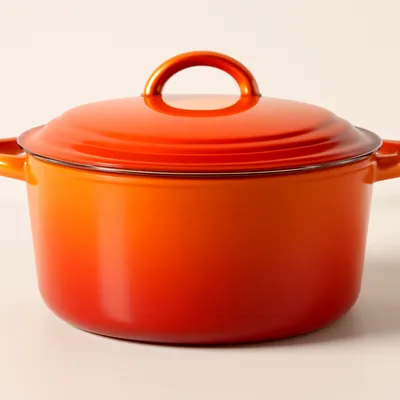
Soak the dried broad beans (or yellow split peas) in plenty of cold water overnight; drain. If using whole dehulled broad beans, skins are already off; if any remain, slip them away.
- 25 min
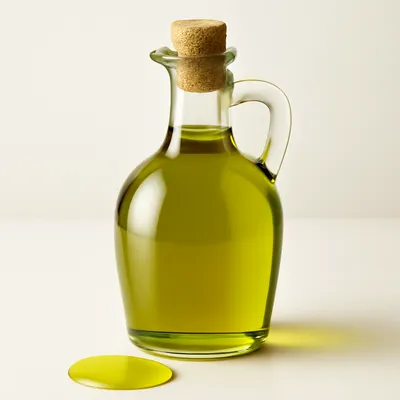
In a pot, soften the chopped onion in a good slick of olive oil over low heat without browning, a few minutes.
- 355 min
Add the drained beans, a pinch of sugar and salt, and enough water to cover by a finger. Simmer covered over low heat until completely soft and the water has mostly cooked away, roughly 40 to 60 minutes for split peas, longer for broad beans.
Watch outSimmer until the beans are meltingly soft and the water's nearly gone — undercooked beans leave a gritty purée that never sets smooth.
- 410 min
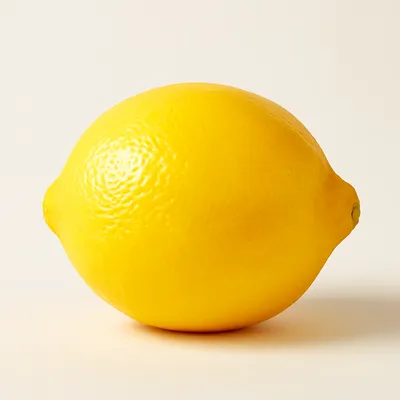
While still hot, blend or mash the beans with the remaining olive oil and the lemon juice to a smooth, thick purée; adjust salt.
- 55 min
Pour the hot purée into a shallow tray or individual plates, smooth the top flat, and let cool to room temperature.
- 6240 min
Chill in the refrigerator at least 3 to 4 hours, until firmly set and sliceable.
Watch outChill until it's firm enough to slice clean — the amylose needs those hours to set into a cuttable block; serve it early and it slumps into paste.
- 75 min
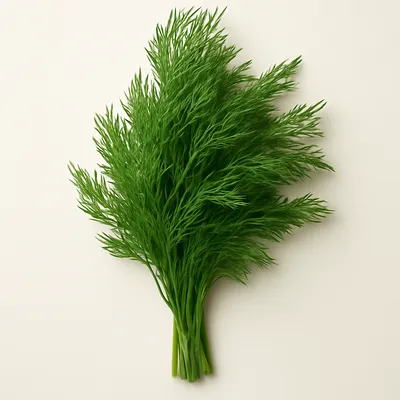
Cut into squares or slices, top with chopped dill and sliced raw onion, and finish with a squeeze of lemon and a pour of olive oil. Serve cold.
Archive tool suggestions — not reviewed
These legacy suggestions have not been evidence-reviewed and are not presented as required tools.