
Bonito braised in olive oil — thick steaks of palamut cooked slowly with potato, carrot, onion, garlic and tomato in plenty of olive oil and lemon, then cooled and served at room temperature. Pilaki is a whole family of cold olive-oil dishes, usually made with beans; the fish version is an autumn classic of the Marmara and Aegean coasts, eaten when the bonito are running fat and the cooled, set juices have thickened around the vegetables.
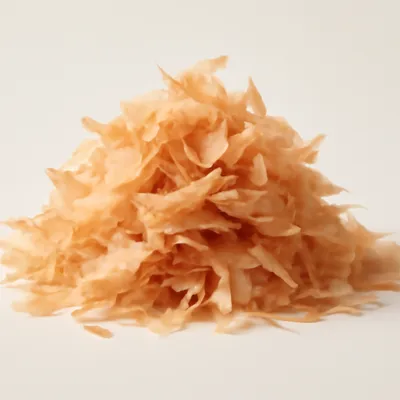





Pilaki names a class of Turkish dishes cooked in olive oil with onion, garlic, carrot and potato and eaten cold — most often made with white beans (fasulye pilaki), but also with mussels, and, in autumn, with bonito. Palamut (Atlantic bonito) migrates through the Bosphorus and the Marmara in autumn on its run from the Black Sea, arriving fat and prized; the season is when both pilaki and the cured lakerda are made. As an olive-oil dish (zeytinyağlı) it belongs to the cold-meze tradition of the Aegean and Marmara coasts, served at room temperature so the olive oil and the gelatin from the fish set the cooking liquid into a light jellied sauce. It is distinct from lakerda, where bonito is salt-cured raw rather than cooked.
Served cool, the bonito is firm and meaty, its dense dark flesh holding together in flakes that have soaked up olive oil and lemon. The vegetables are soft and sweet, the potato almost creamy; around them the cooking liquid has set into a light, savory jelly, glossy with oil and bright with lemon and a little sugar. It is a cold dish but not a bland one — the olive oil carries the flavor, the lemon keeps it lively, and the fish tastes richly of itself. Eaten with bread, a meze among others, never piping hot.
Cooking in plenty of olive oil over low heat keeps the dense bonito moist and lets its flavor diffuse into the oil and the vegetables rather than searing away — a gentle braise, not a fry. Bonito is rich in collagen and natural gelatin, which dissolve into the liquid as it cooks and then, on cooling, set it into the soft jelly that defines a finished pilaki; this is why the dish is made specifically to be served cold, when that body has formed. A little sugar balances the lemon's acidity into the rounded sweet-sour profile typical of zeytinyağlı cooking. Potato and carrot lend starch and sweetness that thicken and round the sauce. The fish is added in steaks late enough to cook through without breaking apart.
Variations
The Marmara-Aegean canonical uses bonito steaks with potato, carrot, onion, garlic, tomato, olive oil, lemon and a little sugar, served cold; some cooks add celery root or green olives. A leaner version skips the tomato for a paler, lemon-forward sauce. The same pilaki method made with white beans (fasulye pilaki) or mussels (midye pilaki) is far more common year-round; the fish version is specifically autumnal. It is the cooked counterpart to lakerda, the salt-cured raw bonito of the same season.
On the Palate
Where Palamut Pilaki sits in the Turkish flavor cloud
Ingredients
Serves 4


How it's made
6 steps · 25 min active + 35 min waiting
- 18 min
Cut the bonito into thick steaks, salt them and set aside while you prepare the vegetables.
- 26 min
In a wide pan, warm a generous amount of olive oil and soften the sliced onion and garlic without coloring.
Watch outSoften the onion and garlic in the oil without letting them color — this is a gentle braise; browning muddies the clean, sweet-sour profile.
- 320 min
Add diced potato and carrot, the chopped tomato, a little sugar and salt, and enough water to half-cover; simmer gently until the vegetables are nearly tender, about 20 minutes.
- 412 min
Lay the bonito steaks on top, add the lemon juice, cover, and simmer slowly until the fish is just cooked through, 10-12 minutes, without stirring.
Watch outLay the fish on top and simmer without stirring — bonito is dense but breaks if you push it around; lift the pieces and they fall apart.
- 535 min
Take off the heat and let the pan cool completely to room temperature, so the cooking liquid sets to a light jelly.
Watch outLet the pan cool completely before serving — the fish's own gelatin only sets the liquid into that signature light jelly as it goes cold.
- 63 min
Scatter with parsley and serve cool, with bread and lemon wedges.
Archive tool suggestions — not reviewed
These legacy suggestions have not been evidence-reviewed and are not presented as required tools.



