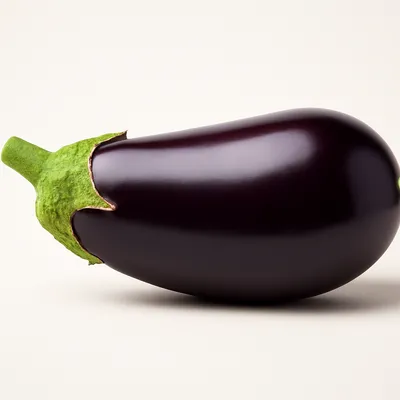
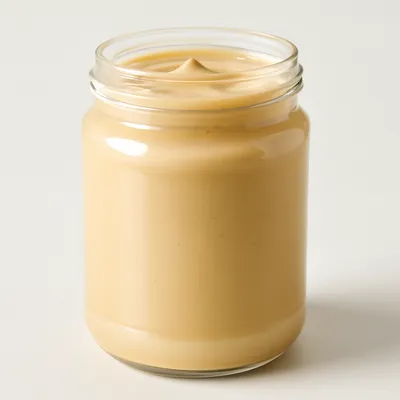
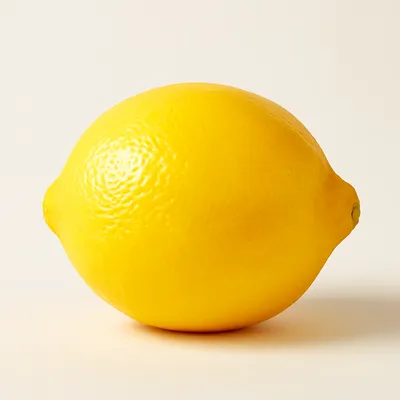
Babagannuş is the tahini-forward, Levantine-influenced smoked-eggplant meze of southeastern Turkey, most at home in the Hatay/Antakya region around Antakya and across Gaziantep and Adana. Whole eggplants are charred directly over flame until the skin blackens and the flesh inside collapses into smoke-soft pulp, then drained and mashed with sesame tahini, crushed garlic, lemon and olive oil into a creamy, sesame-rich dip. It is finished with parsley, a thread of pomegranate molasses, and sometimes cumin or chili. The name comes from Arabic (baba ghanoush), and the dish entered Turkey through the Arabic-speaking southeast, where it sits alongside the Levantine kitchens of Lebanon and Syria. The defining feature that separates it from the chunkier, garlic-and-lemon Aegean patlıcan salatası is the prominent tahini — sesame paste makes it creamier and nuttier, putting it close to the Levantine mutabbal.


Babagannuş belongs to the Levantine kitchen — Lebanon, Syria, Palestine, Jordan — and entered Turkey through the Arabic-speaking southeast, where Turkish speakers call it babagannuş and Arabic speakers abugannuş. In Turkey it is most strongly identified with Hatay (Antakya), Gaziantep and Adana. The name is Arabic; the OED glosses 'baba ganoush' as 'father of coquetry' and links it 'perhaps' to invention by a member of a royal harem, but this reading is uncertain — even the elements are debated, since it is unclear whether bābā ('father') refers to a person indulged by the dish or to the eggplant itself. A naming nuance matters here: in the Levant the smooth tahini version is properly called mutabbal, while 'baba ghanoush' proper often denotes a chunkier salad-style dish built from charred eggplant with chopped tomato, onion, pepper and pomegranate molasses — sometimes with no tahini at all. Turkey inherited the name babagannuş but the tahini-forward Antakya/Hatay reading aligns with mutabbal, and this tahini is exactly what distinguishes it from the Aegean patlıcan salatası, which leans on fresh garlic and lemon and is typically firmer with little or no sesame paste. The clearest documented Turkish marker is a geographical indication: 'Diyarbakır Babaganuç' was registered by TÜRKPATENT on 9 December 2021 (application 11 November 2020) — though notably the protected Diyarbakır version is a cooked breakfast dish of charred eggplant simmered with green pepper, butter and egg, not the cold tahini meze, which underscores how widely the single name now stretches across Turkey.
The smoke arrives first — that deep, char-grilled eggplant perfume you only get from live flame. Scooped onto warm flatbread, babagannuş is creamier and rounder than its Aegean cousin: the tahini coats the tongue with sesame richness and a faint pleasant bitterness, while lemon keeps it bright and garlic gives a low burn. A trace of charred skin reads as smoky-bitter at the edges, pomegranate molasses adds a dark sweet-sour thread, and the olive oil pulls it all into one silky mouthful. It eats cool, soft and savory, made to be wiped up between bites of hot grilled meat.
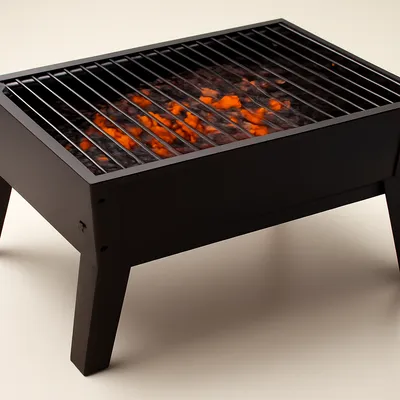
Direct-flame charring runs the eggplant skin past 500°C, far hotter than a 200°C oven, and that heat does the real work: surface sugars caramelize into sweet-burnt notes, and the fire drives off volatile pyrazines and furans that the nose reads as 'smoky' — compounds an oven simply can't generate in quantity, which is why oven-roasted eggplant always tastes flat here. Draining the charred flesh in a colander is not optional: eggplant pulp carries excess water and bitter glycoalkaloids (solasonine and solamargine) that pool in the juice, and mashing that liquid back in turns the meze watery and bitter. Tahini is what sets babagannuş apart — ground sesame is roughly half oil, and whisked with lemon juice it forms an emulsion that thickens and smooths the mash, lending the dip its creamy body and nutty depth. Lemon's citric acid also lowers the pH enough to slow the enzymatic browning that would otherwise dull the pale flesh within the hour.
Variations
The southeastern signature is generous tahini plus pomegranate molasses, often with cumin and chili flakes (Antakya/Hatay, Gaziantep, Adana). The clearest dedup contrast is the Aegean patlıcan salatası, which uses little or no tahini and is seasoned mainly with fresh garlic and lemon, firmer and chunkier — babagannuş has tahini; the Aegean version does not. In the Levant the smooth tahini version is properly mutabbal, while classic Lebanese baba ghanoush may skip tahini and lean on pomegranate, and Syrian cooks sometimes swap tahini for yogurt for extra tang. Egyptian and Israeli versions keep tahini and lemon, occasionally adding chopped tomato, onion or even hard-boiled egg. The GI-registered Diyarbakır babaganuç is a different beast entirely — a warm breakfast dish of charred eggplant cooked down with green pepper, butter and egg.
On the Palate
Where Babagannuş sits in the Turkish flavor cloud
Ingredients
Serves 4

How it's made
6 steps · 20 min active + 30 min waiting
- 118 min
Prick whole eggplants a few times, then char them directly over a gas flame, grill or coals, turning often, until the skin is blackened all over and the flesh has fully collapsed and softened, about 15–20 minutes.
Watch outChar the skin until it's blackened all over and the eggplant collapses soft — that direct-flame burn is where the smoky flavor comes from; an underdone one tastes flat.
- 25 min
Let the eggplants cool until you can handle them, peel off all the charred skin, and discard the stems; keep a few black flecks for smoky character.
- 318 min
Set the flesh in a colander and let the bitter juices drain for 15–20 minutes, then chop or mash it to a coarse pulp with a fork or wooden pounder.
Watch outLet the flesh drain a good 15 minutes before mashing — that bitter juice makes the dip watery and sharp if you mash it back in.
- 44 min
Whisk the tahini with lemon juice and crushed garlic until it thickens and pales, then fold it through the eggplant with olive oil and salt.
Watch outWhisk the tahini with lemon until it thickens and pales before folding in — that seizing-then-loosening is what gives the dip its creamy body.
- 52 min
Taste and adjust with more lemon, salt or a pinch of cumin and chili until the sesame, smoke and acid are balanced.
- 63 min
Spread on a plate, swirl the surface, drizzle with olive oil and pomegranate molasses, and scatter chopped parsley before serving cool with warm flatbread.
Archive tool suggestions — not reviewed
These legacy suggestions have not been evidence-reviewed and are not presented as required tools.