A cold Turkish meze of fried eggplant — usually with fried green peppers — layered with a generous spread of garlicky strained yogurt and a separate cooked tomato sauce on top, served at room temperature. Unlike şakşuka, where the fried vegetables are folded into the tomato sauce with only a thin yogurt drizzle, köpoğlu is an assembly in three distinct layers: the fried eggplant base, a thick garlic-yogurt layer, and a finishing pour of cooked tomato. It is associated with the Thrace–Marmara (Trakya) region of European Turkey, where it is a staple of the meyhane (tavern) meze spread served alongside rakı. The result balances soft, oil-glossed eggplant against cool sour yogurt and warm, sweet-tart tomato.



Köpoğlu belongs to the Thracian (Trakya) and Marmara repertoire of European Turkey and is generally described as a dish of the Balkan-immigrant kitchens that resettled in the region. Its exact origin is not firmly documented, but it is widely recognised as the Turkish branch of a shared Balkan eggplant preparation: the Bulgarian kyopolou (Кьопоолу / Кьополу) is the direct cognate, a roasted-eggplant-and-garlic relish from which the Turkish name Köpoğlu derives. (The popular reading of the name as the Turkish slang 'köpoğlu', literally 'son of a dog' used affectionately for something irresistibly good, is folk etymology and carries no documentary support.) Edirne and the surrounding Thracian towns also know a closely related dish under the name manca. The dish sits within the wider Balkan family of garlicky roasted/fried eggplant spreads — alongside ajvar and pinđur — that spread through the region during the Ottoman centuries.
The eggplant is fried until deep-bronzed and silky, almost custardy inside, slick with the oil it has drunk and given back. Over it sits a cool, thick layer of strained yogurt sharp with raw garlic, and across the top a warm tomato sauce cooked down sweet-tart and faintly oily. Eaten at room temperature on a piece of bread, the three layers hit at once — soft and rich, cold and sour, warm and bright — the garlic running through everything. It should be loose and spoonable, the layers half-marbled together rather than set like a terrine.
Eggplant is mostly air and water in a spongy cell structure; cut and exposed, it drinks oil greedily. Salting — or soaking in salted, lightly acidulated water for about 30 minutes — draws out moisture and collapses some of those air pockets, so the slices fry up silky instead of oil-logged, while the salt also seasons through and tames any bitterness. The garlic yogurt is left raw and cold: its lactic tang and the pungency of raw garlic (allicin, formed when garlic is crushed) stay bright, and the acidity of yogurt also keeps the crushed garlic safe to hold. The tomato sauce, by contrast, is cooked down so its acids mellow and sugars concentrate. The whole point is the temperature-and-flavour contrast — cold sour cream against warm sweet-tart fruit — layered, not stewed together, so each component keeps its own character.
Variations
Thracian home versions keep it plain: fried eggplant and peppers, garlic yogurt, tomato sauce, finished with chopped parsley. Around Edirne the close relative manca is made similarly. Restaurant versions use thick süzme (strained) yogurt for a denser yogurt layer and sometimes fry the eggplant in cubes rather than slices. Some cooks add fried green peppers as an equal partner to the eggplant; others finish the tomato sauce with a little paprika or dried mint, or swap fresh tomato for a spoon of tomato paste (salça) cooked in oil.
On the Palate
Where Köpoğlu sits in the Turkish flavor cloud
Ingredients
Serves 4

How it's made
8 steps · 45 min
- 130 min
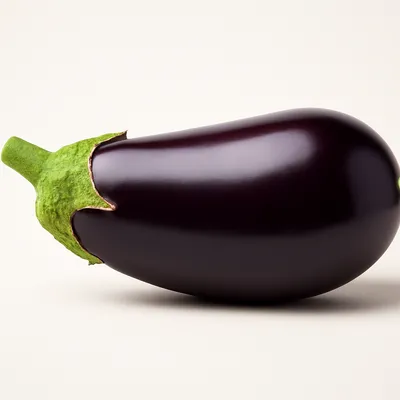
Slice or cube the eggplant and soak in salted, lightly acidulated water for about 30 minutes, then drain and pat thoroughly dry.
Watch outSalt-soak the eggplant a full half hour, then pat bone-dry — this collapses the sponge so it fries silky instead of drinking oil.
- 215 min
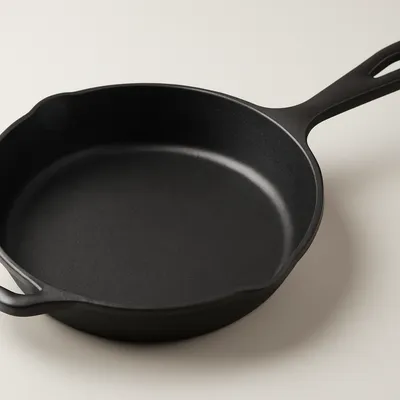
Fry the eggplant in hot oil until deep golden and soft; fry the green peppers the same way. Drain on paper towels.
- 33 min
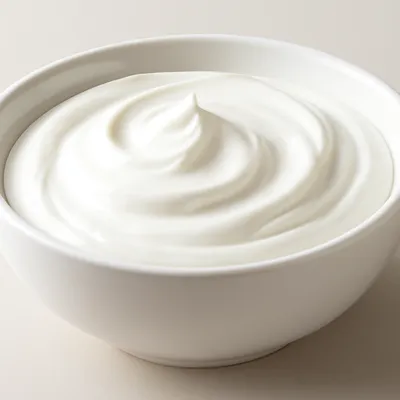
Crush the garlic with a little salt, then beat it into the thick strained yogurt; keep cold.
- 412 min
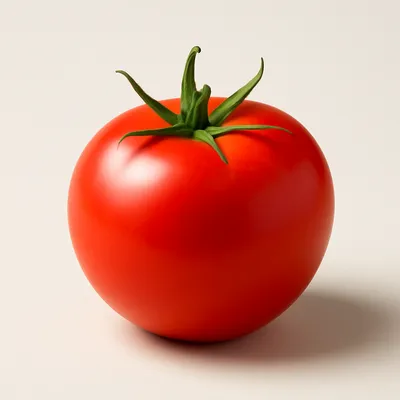
Grate the tomatoes, then cook them down in olive oil with a pinch of salt (and paprika if using) until thick and jammy.
Watch outCook the grated tomato down until it's thick and jammy and the oil pulls clear — watery sauce will thin the yogurt and slide off the stack.
- 52 min
Spread the fried eggplant and peppers over a serving plate as the base layer.
- 62 min
Spoon the cold garlic yogurt over the vegetables in a generous layer.
- 72 min
Pour the cooked tomato sauce over the yogurt and lightly swirl so the layers half-marble together.
- 83 min
Cool to room temperature, scatter with chopped parsley, and serve with bread.
Archive tool suggestions — not reviewed
These legacy suggestions have not been evidence-reviewed and are not presented as required tools.