
A small, plain, coiled pastry from İzmir, made by working oil into a soft dough, stretching it tissue-thin, then rolling and curling it into a flaky spiral that bakes up crisp on the outside and layered within. Classically it carries no filling and no yeast, and is eaten warm for breakfast with a hard-boiled egg and a glass of tea. It survives almost only in İzmir, where it is a beloved local emblem rarely found elsewhere in Turkey.



Boyoz was brought to İzmir by Sephardic Jews, descendants of those expelled from Spain in 1492 and taken in across the Ottoman Empire under Sultan Bayezid II. Its name comes from the Spanish bollos, meaning buns or rolls, the double-L sounded as a Y in Ladino. Through the nineteenth century İzmir's Jewish community, centred on Havra Sokağı — Synagogue Street — in the Kemeraltı market, made it at home, and the bakeries that later sold it were long run by Jewish bakers. The plain, oil-based, unleavened recipe meant it could be eaten during Passover.
Pulled apart, a boyoz comes away in fine shards rather than clean leaves — the surface is crisp and faintly blistered, the inside a tangle of thin oiled layers, dry and short rather than buttery-rich. Plain on its own, it is meant to be punctuated by bites of boiled egg, often dusted with salt and pepper, and washed down with hot black tea. It is a quiet, unsweet pastry, more about texture than flavour, best the morning it is baked.
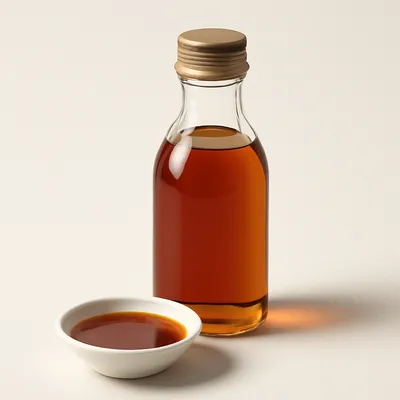
The texture comes from lamination by oil and stretch, not from butter folds or yeast. The dough is enriched with oil, rested so the gluten relaxes, then pulled by hand until nearly transparent; rolling and coiling that sheet traps dozens of oil-separated layers. Traditionally the fat was sesame oil, which gave the original its character; most bakeries now use sunflower oil, and the old sesame version has all but vanished. Because there is no leavening, all the lift is mechanical — the thin layers crisp and separate in the oven's heat rather than rising.
Variations
The canonical İzmir boyoz is plain, but bakeries now also turn out filled versions — with spinach, with a mild cheese, or with a spiced potato mash. The traditional sesame-oil dough has largely given way to sunflower oil. It is almost always paired at the counter with hard-boiled eggs sold alongside, the two eaten together as the standard İzmir breakfast; outside the city, an authentically made boyoz is hard to come by.
On the Palate
Where Boyoz sits in the Turkish flavor cloud
Ingredients
Serves 8How it's made
6 steps · 45 min active + 1 hour 15 min waiting
- 120 min
Knead flour, water, a little oil and salt into a soft dough and let it rest until the gluten relaxes.
- 230 min
Divide into balls, coat them in oil and rest again so they will stretch without tearing.
- 315 min
Stretch each ball by hand on an oiled surface until the sheet is almost transparent.
Watch outStretch each ball until the sheet is almost see-through — that thinness is what traps the oil-separated layers; too thick and it bakes into bread, not flaky spirals.
- 48 min
Roll the thin sheet into a long rope, then coil the rope into a tight spiral and tuck the end under.
- 515 min
Rest the coils briefly, then flatten each slightly into a round.
- 630 min
Bake at 200°C until deep golden and crisp, and serve warm with hard-boiled eggs.
Watch outBake to deep golden and crisp — the layers should crackle apart; pull it pale and the thin sheets stay chewy instead of shattering.
Archive tool suggestions — not reviewed
These legacy suggestions have not been evidence-reviewed and are not presented as required tools.


