
Patlıcan musakka is the Turkish version of musakka, and it is a stovetop braise, not the tall baked casserole of Greek moussaka. Fried eggplant chunks are simmered together with a tomato-and-onion ground-meat sauce and peppers until everything is soft and merged. There is no béchamel and no layering — it is essentially a loose vegetable-and-mince stew, served hot over rice. This is the everyday Turkish home form of the dish.
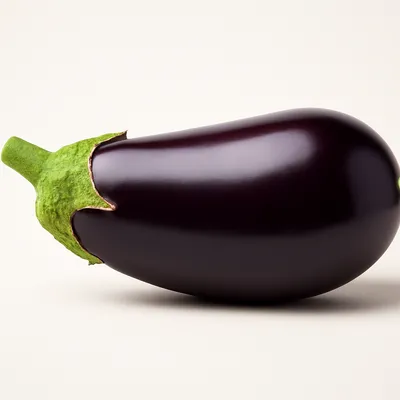




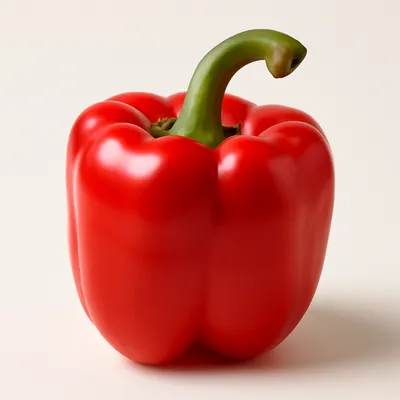
In Turkish home cooking, musakka refers to this stovetop vegetable-and-mince braise, part of the wider eastern-Mediterranean family of musakka/mousaka dishes built on eggplant and meat. The famous layered, béchamel-topped, oven-baked moussaka is the Greek form, popularized in the twentieth century; the Turkish version keeps the same name and core ingredients but stays a pan stew with no white sauce and no assembly into a sliceable bake. The shared root reflects a common regional pantry, not one dish copying the other.
Soft, oil-rich eggplant that has soaked up a savory tomato-mince sauce, with peppers gone sweet and a loose, spoonable gravy — comforting and homey, eaten with rice and bread. Nothing is firm or layered; it is meant to be soft throughout. If you are picturing neat baked squares under a golden custard top, that is the Greek dish, not this one.
The eggplant is fried (or well browned) before it goes into the sauce — this collapses the cell walls so the flesh turns silky and drinks up the meat juices, where raw eggplant simmered in sauce stays spongy and bland. Salting and resting the cut eggplant first draws out bitter water and reduces how much oil it absorbs. The mince is browned and the tomato paste bloomed in fat to build a Maillard-deep base, then the fried eggplant is folded in and simmered only long enough to marry, not to disintegrate. Because there is no béchamel binding it, the dish stays a stew rather than a set, sliceable bake.
Variations
Some cooks fry the eggplant, others roast it in less oil for a lighter dish; potato or zucchini is sometimes added alongside. Southeastern versions go redder and warmer with more tomato and pul biber. The one thing the Turkish version never becomes is the layered béchamel bake — add white sauce and oven-set it in a dish and you have crossed over into the Greek moussaka, a separate entry.
On the Palate
Where Patlıcan Musakka sits in the Turkish flavor cloud
Ingredients
Serves 4

How it's made
6 steps · 25 min
- 120 min
Cut eggplant into thick chunks, salt and rest 20 minutes, then pat dry to remove bitter water.
Watch outSalt and rest the eggplant, then pat dry — this pulls the bitter water and cuts how much oil the chunks soak up.
- 215 min
Fry or well-brown the eggplant in oil until soft and golden; set aside.
Watch outFry until deep golden and truly soft — raw or under-browned eggplant stays spongy and bland once it goes in the sauce.
- 310 min
Brown the ground lamb or beef, add chopped onion and cook soft.
- 48 min
Bloom tomato paste in the fat, then add chopped tomato, peppers and pul biber; simmer into a sauce.
- 520 min
Fold the fried eggplant back into the sauce, add a little hot water, and simmer gently 15 to 20 minutes until merged and soft — do not layer or bake.
Watch outSimmer just 15–20 minutes to marry, no longer — cook it to death and the silky eggplant falls apart into the sauce.
- 63 min
Check seasoning and serve hot over rice with bread.
Archive tool suggestions — not reviewed
These legacy suggestions have not been evidence-reviewed and are not presented as required tools.



