
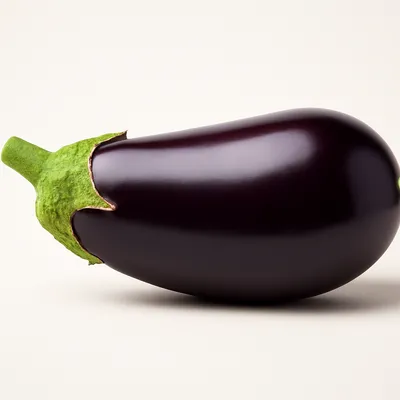
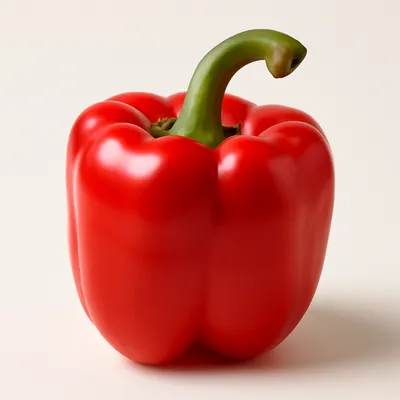
Güveç is both a dish and the wide-mouthed earthenware pot it is cooked in: chunks of lamb or beef layered with eggplant, peppers, tomato, onion and potato, moistened with little more than the vegetables' own juices, and baked slowly until everything melts together. The sealed clay traps steam so the meat braises in vegetable liquor rather than added stock. It is brought to the table in the same pot, bubbling. A staple of Anatolian home kitchens and meyhane menus alike.




The dish takes its name directly from the güveç, the glazed terracotta pot used across Anatolia since antiquity; pot-cooking of this kind is documented in Ottoman-era kitchen practice, though as everyday home food rather than a single datable palace recipe. The principle is shared across the eastern Mediterranean — cooking meat and vegetables together in sealed earthenware that conducts heat gently and evenly. Regional names and fillings vary, but the sealed-pot method is the constant.
Spoon-tender meat that pulls apart without a knife, eggplant collapsed to silk, peppers gone sweet, all bound in a thick tomato-stained gravy with no added thickener. The clay gives a faint earthy edge you do not get from a metal pot. Eaten with bread to mop the pot or over plain rice. If the gravy is thin and watery, the lid was not sealing and steam escaped.
Unglazed or lightly glazed clay heats slowly and holds a stable, moderate temperature, so the meat stays below a hard boil and its collagen converts to gelatin without the muscle fibers seizing. The tight lid keeps the pot near-waterless: vegetables release their moisture, that liquid never boils off, and the meat effectively steam-braises in a concentrated vegetable stock it builds itself. Layering matters — denser potato and meat go low near the heat, quick-collapsing eggplant and tomato above. Adding water drowns the dish; the whole point is self-generated liquor.
Variations
Kuzu güveç uses lamb; tavuk güveç chicken; balık güveç a coastal seafood version with shrimp and fish. Some homes add okra or green beans in season. Testi kebabı is the dramatic cousin, sealed in a narrow clay jug and cracked open at the table, but the everyday güveç stays in its open wide pot.
On the Palate
Where Güveç sits in the Turkish flavor cloud
Ingredients
Serves 4

How it's made
6 steps · 30 min
- 115 min
Cut lamb or beef into large chunks; salt and brown lightly in oil to develop color, then set aside.
- 210 min
Cut eggplant, peppers, onion, tomato and potato into thick pieces; if using eggplant, salt and rest it to draw off bitter water.
- 38 min
Layer the güveç pot: meat and potato at the bottom, then onion and peppers, then eggplant and tomato on top, seasoning each layer.
- 43 min
Add a spoon of tomato paste, a splash of oil and only a few tablespoons of water; do not flood the pot.
Watch outAdd only a few spoons of water, never flood it — the whole dish braises in the juice the vegetables release, and extra water drowns it into a watery stew.
- 5120 min
Seal with a tight lid (or dough/foil) and bake low, around 160°C, until the meat is fork-tender, about 2 hours.
- 615 min
Uncover for the last 15 minutes to concentrate the gravy, then bring the pot to the table and serve with bread or rice.
Watch outUncover for the last stretch to concentrate the gravy — the meat should be fork-tender and the sauce reduced and glossy, not thin.
Archive tool suggestions — not reviewed
These legacy suggestions have not been evidence-reviewed and are not presented as required tools.



