
Istanbul cured-bonito meze — palamut (Atlantic bonito) caught in the Bosphorus in autumn, gutted, cut into thick (1.5-2 cm) crosswise steaks, salt- and brine-cured under weight for about a week (then often kept in olive oil) into firm, rosy meat and served as the canonical rakı meze of fall.
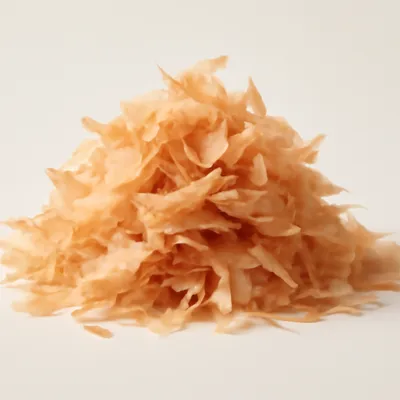





Lakerda is one of Istanbul's most distinguished traditional preparations, dating to Byzantine and Ottoman periods. The dish uses palamut (Atlantic bonito, Sarda sarda) — a fish that migrates through the Bosphorus in autumn (September-November) on its way from the Black Sea to wintering grounds in the Marmara. The migration is historically so reliable that Istanbul fishermen knew it would arrive when the wind shifted to the lodos (south wind). Bonito is salted whole (no cooking), dry-cured for a week, then air-dried briefly — producing a firm, mildly-salty, sushi-grade fish meat. Sliced thin and served with raw onion, olive oil, lemon, and rakı, lakerda is one of those preparations whose simplicity is its art. The dish is increasingly rare as Bosphorus palamut migrations have declined since the 1970s; what's sold in Istanbul fish markets today is often imported.
A thin slice of lakerda is unlike any other cured fish — it's mildly salty (not aggressive like cured anchovy or sardine), firm-toothsome (not melt-on-tongue like sashimi), and has a pure, concentrated fish flavor that whole-fish cure produces. The rosy-pink color comes from the bleeding step; without it, lakerda would be brown and unappetizing. On a thin slice of bread with a dab of olive oil, a slice of raw onion, and a squeeze of lemon: the bonito tastes ancient — this is what Mediterranean people have been eating with wine and bread for 3000 years. Rakı in particular is the canonical pairing; the anise spirit cuts through the fish oil and salt perfectly.
Bleeding the fish before curing is the single most important technical step — the vertebral artery and spinal marrow are drawn out with a thin wire so no blood remains, which is what causes cured-fish to turn brown and develop fishy flavors during cure. Properly-bled fish stays pink and clean-tasting. The 3-day dry-salt cure removes ~30% of the fish's water by osmosis, concentrating flavor and killing pathogens. The brief air-dry firms the exterior without overdrying. The whole-fish-cure (vs. fillet-cure) is significant — keeping the fish intact through curing preserves more flavor and texture than filleted cures. The result is one of the rare cures that doesn't taste like 'cured fish' but tastes like fresh fish concentrated.
Variations
Istanbul Marmara canonical with bonito (palamut) caught in autumn migration; the Greek lakerda is identical (the dish is shared); Black Sea Trabzon variant uses local 'çinekop' (small bonito) for a more delicate preparation; modern Istanbul restaurants serve commercial lakerda that's wet-brined (faster, less authentic); the dish is impossible to make without bleeding the fish properly — Atlantic bonito imported gutted but not bled is unsuitable; lakerda is increasingly displaced by salmon-based preparations in Istanbul mezedeneleri.
On the Palate
Where Lakerda sits in the Turkish flavor cloud
Ingredients
Serves 12
How it's made
9 steps · 1 hour active + 6 days 23 hours waiting
- 13 min
Buy a whole fresh bonito (palamut) — ideally caught within 24 hours of purchase, from the Black Sea or Marmara during the autumn migration. Smaller fish (1-2kg) are preferred for home preparation. Larger fish (4-6kg) are commercial-grade.
- 27 min
Bleed the fish (this is essential — Turkish fishermen do this on the boat): make a cut at the base of the gills and let the fish bleed for 5-10 min. This removes dark blood from the meat, giving the finished lakerda its characteristic rosy-light color.
Watch outBleed the fish until the flesh looks clean and pale — leftover blood is exactly what turns cured bonito brown and fishy.
- 310 min
Clean: gut the fish, removing organs and the dark blood line along the spine. Cut off the head and tail. Rinse the cavity thoroughly. Pat very dry.
- 48 min
Slice the cleaned fish into round 3-4cm-thick steaks (for a 2kg fish, you'll get 6-8 steaks). Remove the spine from each steak (you should have boneless rounds).
- 522 min
Dry salt cure: in a non-reactive container, place a 1cm layer of coarse sea salt on the bottom. Lay the bonito steaks in a single layer; cover each completely with more coarse salt (the steaks should be completely buried). Cover; refrigerate.
- 64322 min
After 24 hours, check: salt will have drawn out a lot of water (visible in the container). Pour off the water; replace the wet salt with fresh dry coarse salt. Refrigerate another 24 hours. Repeat — 3 total dry-cure cycles over 3 days. The fish should be firm to the touch.
Watch outEach morning the salt should be soaked and slushy with drawn-out water — pour it off and re-bury in bone-dry salt, or the cure stalls.
- 7245 min
Rinse the cured fish thoroughly under cold water to remove all salt. Soak in fresh cold water 4 hours, changing water once, to remove excess salt. Pat completely dry.
Watch outTaste a sliver after the soak — it should read pleasantly salty, not harsh; still too sharp means another water change.
- 85040 min
Air-dry: hang the cured fillets in a cool (10-15°C), well-ventilated, low-humidity space for 2-3 days. The fish should develop a slightly firm exterior and remain pinkish inside. Wrap in cheesecloth to protect from insects.
Watch outYou want the outside just firm to the touch but the center still rosy and giving — over-dried and it goes hard and dull.
- 912 min
Slice and serve: with a very sharp knife, slice the lakerda paper-thin (~2mm) against the grain. Arrange slices on a chilled plate. Drizzle with extra-virgin olive oil + lemon juice. Garnish with thinly-sliced raw red onion, parsley, and capers. Serve with thin slices of rakı-pairing bread (or simply with rakı and water). Lakerda keeps refrigerated 2 weeks; freeze for longer.
Archive tool suggestions — not reviewed
These legacy suggestions have not been evidence-reviewed and are not presented as required tools.


