
Istanbul street offal grill — lamb intestines tightly wound around a spit of organs (heart, kidney, sweetbreads), grilled rotating over coals for hours, then chopped finely with hot tomato-pepper-oregano spice and served on bread — the most defining Istanbul late-night street food.






Kokoreç (originally Greek κοκορέτσι, kokoretsi, from Albanian kokorec; the dish predates the Ottoman period) is the iconic offal-grill street food of Istanbul and the Balkan-Aegean world. The dish uses lamb (or sheep) intestines as a 'casing' wrapped tightly around a core of organ meats — heart, kidney, sweetbreads, and lung — threaded on a horizontal spit and rotated over hot coals for 2-3 hours. The slow-rotating cook crisps the intestine exterior to a crackling brown while gently cooking the organs inside. Once cooked, the kokoreç is chopped finely with a heavy knife on a wooden board, mixed with a hot spice blend (oregano, red pepper flakes, cumin), and served on a half-pita or in a small dish. Eaten as late-night street food after the bars close. Greeks and Albanians grill similar dishes; the Istanbul version is denser and more strongly-seasoned. Often said to be EU-banned, but the dish was never actually outlawed across the EU — near-identical offal grills (Greek kokoretsi, Spanish zarajos, Italian torcinelli) have always been sold legally. The real episode: around 1999, under EU-accession pressure, Turkey itself restricted kokoreç production domestically; the 'EU ban' is now largely a myth, and vendors make it in Europe using EU-sourced intestines.
Hot chopped kokoreç in a piece of pita: the texture is incredibly varied — soft organ pieces, slightly chewy intestine bits, all in a hot tomato-and-spice slurry. The flavor is intense and primal — organ-iron, lamb-fat richness, oregano-cumin warmth, the chili heat building at the back of the throat. There's nothing like it. The intestine wrap (the controversial part for newcomers) has a slightly funky-smoky character that the unfamiliar might find aggressive but locals love. Eat at 3am in Istanbul after a night of rakı; you'll understand. The hangover the next day is also part of the experience.
The intestine-wrap-around-organ construction allows the outer intestine to crisp dramatically while protecting the delicate inner organs from drying out. The 2-3 hour slow-rotating cook is essential — faster cooking gives raw centers; slower cooking dries out the organs. The chopping at the end isn't merely portioning — it's structural homogenization, breaking down chewy intestine into manageable bits and integrating organ-flavors throughout. The hot-pan stir-fry at service melts butter, deglazes the kokoreç's fond into a sauce, and warms everything to peak eating temperature.
Variations
Istanbul Marmara canonical with tight intestine wrap + chopped on board + spiced; Greek 'kokoretsi' is similar but uses no chopping (served on the spit, cut to portion); Bursa variant is denser with more heart and less sweetbread; modern Istanbul restaurants serve a 'lite' kokoreç in a baguette as a fast-food item (controversial — much faster cooking); the 'EU ban' is a persistent myth — kokoreç is now made and sold in Europe using EU-sourced ingredients; commercial frozen kokoreç exists but the wrap quality is poor.
On the Palate
Where Kokoreç sits in the Turkish flavor cloud
Ingredients
Serves 4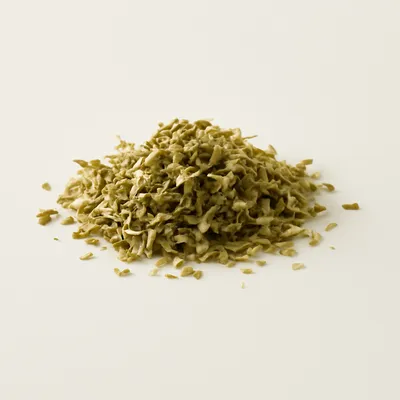



How it's made
8 steps · 1 hour active + 2 hours waiting
- 110 min
Acquire offal: 800g cleaned lamb intestines (best buying pre-cleaned from a Turkish/Middle Eastern butcher) + 200g lamb heart + 100g lamb kidneys + 100g lamb sweetbreads (or any combination of these organs that fits your taste/availability). Total ~1.2kg organ-and-intestine.
- 232 min
Clean intestines thoroughly: rinse inside and out with cold water until water runs clear. Rub with coarse salt and lemon juice; rinse again. Soak in cold water + 1 tbsp vinegar for 30 min to remove any lingering odor; rinse.
Watch outRinse the intestines inside and out until the water runs perfectly clear, then the salt-lemon scrub and vinegar soak — any lingering funk here is the whole dish's smell.
- 38 min
Prep organs: trim hard membranes, fat, and any tubes from heart, kidney, sweetbreads. Cut into 3cm chunks. Blanch sweetbreads in boiling salted water 2 min; drain (this firms them and makes them easier to handle).
- 432 min
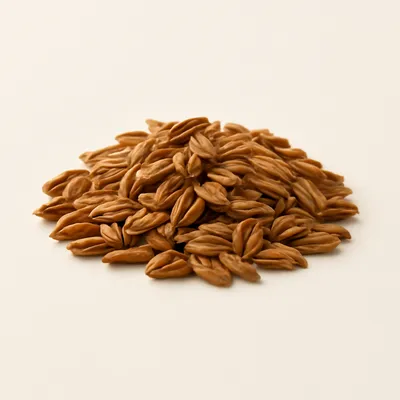
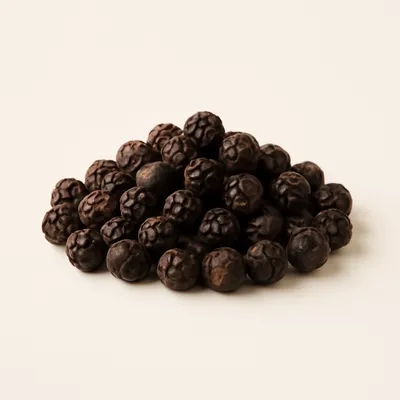
Make marinade: in a bowl, combine 4 minced garlic cloves + 1 tbsp salt + 1 tbsp black pepper + 1 tsp oregano + 1 tsp ground cumin + 1 tsp paprika + 1/4 cup olive oil + juice of 1 lemon. Toss the organ pieces with the marinade. Let stand 30 min.
- 517 min
Assemble the spit: thread organ chunks onto a long sturdy metal skewer in a tight column, alternating heart, kidney, and sweetbread for varied flavor. Now wrap the cleaned intestines tightly around the column of organs, making 4-5 layers of wrap. Secure both ends of the intestine wrap with thin metal wire or skewers.
Watch outWrap the cleaned intestine tightly around the skewered organs in 4–5 snug layers — a loose wrap unwinds on the fire and the organs dry out before the casing crisps.
- 6165 min
Grill: this is the hard part. Build a hot charcoal fire that's long and shallow (you need to fit the spit lengthwise above the coals). Suspend the spit 25-30cm above the coals. Rotate slowly and continuously for 2-3 hours, allowing the intestine wrap to crisp to a deep mahogany brown all over and the organs to cook through. Maintain steady moderate heat; if the fire gets too hot, the intestine will burn.
Watch outTurn it slowly over steady, moderate coals until the wrap crisps to a deep mahogany all over — let the fire run too hot and the intestine scorches before the center cooks.
- 78 min
Chop: lay the cooked kokoreç on a wooden board. With a heavy sharp knife, chop the entire roll finely (3-5mm bits) — chopping is part of the cooking process, it homogenizes the textures.
Watch outChop the whole roll fine, down to 3–5mm bits — this isn't just portioning; it breaks the chewy casing down and spreads the organ flavor through every bite.
- 84 min
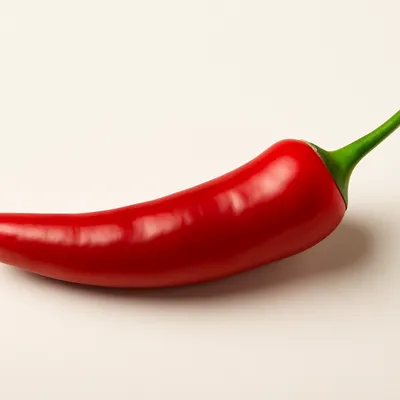
Serve: in a hot frying pan, add 2 tbsp butter + the chopped kokoreç + 1 chopped tomato + 1 chopped long green pepper + 2 tsp dried oregano + 1 tsp pul biber + 1 tsp ground cumin. Stir-fry 3 min until everything is hot and the tomato has integrated. Serve in a half-pita or a small plate. Eat with bread to soak up juices, with cold ayran or a glass of beer.
Archive tool suggestions — not reviewed
These legacy suggestions have not been evidence-reviewed and are not presented as required tools.



