





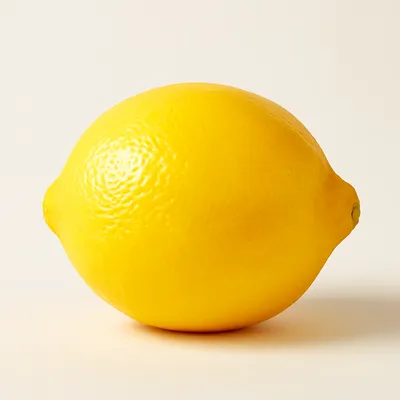
Buğulama (literally 'steaming' from buğu meaning 'vapor') is a fundamental Turkish cooking technique applied especially to fish along the Aegean coast — Izmir, Çeşme, Kuşadası, Bodrum — where daily-fresh fish is abundant. The dish is a one-pan preparation: fish, vegetables, wine, and herbs all cook together in a covered pan with no fat or just olive oil, the steam from the vegetables cooking the fish gently. Aegean Turkish kitchens prefer levrek (sea bass) for its mild flavor and firm white flesh that doesn't fall apart. The dish is typically served at home rather than restaurants; restaurant fish in the Aegean is usually grilled, while home cooks prefer the buğulama for its ease and the way the cooking liquid becomes a built-in sauce.
Spoon the fish onto your plate with a slice of lemon and a heap of the cooked vegetables. The flesh is incredibly tender — pure steam-cooked, no harsh sear — flaking easily under the fork. The cooking liquid is half white-wine reduction, half tomato-pepper jus, perfumed by bay and thyme, bright from the lemon. The vegetables are slumped-cooked, sweet, ready to be eaten with the fish or with a piece of bread. Everything tastes of the Aegean — the wine, the herbs, the fish, the sun.
Buğulama works because the vegetable bed (especially tomato and pepper) releases ~30% water during cooking, which combines with the added wine to create steam that cooks the fish from below and around. The fish never directly touches the pan, so it can't dry out or stick. Covering the pan traps the steam at ~95°C — gentle enough to keep the fish tender, hot enough to fully cook in 15 min. White wine's acidity firms the fish protein slightly without overcooking; pure water would give a flatter result. Sea bass is preferred because its low fat content lets it hold up to the moist cook without becoming greasy.
Variations
Aegean canonical with whole sea bass + bay + thyme + white wine; Bodrum coastal variant adds chopped olives and capers; Istanbul restaurant version sometimes uses red wine and substitutes turbot; Black Sea version uses hamsi (anchovy) and cornmeal-thickened sauce (completely different dish, still 'buğulama'); the same technique applied to mussels yields midye buğulama; the Greek psari plaki is similar but is oven-baked, the fish layered under sliced tomato and onion — more like a baked casserole than a covered-pan steam.
On the Palate
Where Levrek Buğulama sits in the Turkish flavor cloud
Ingredients
Serves 4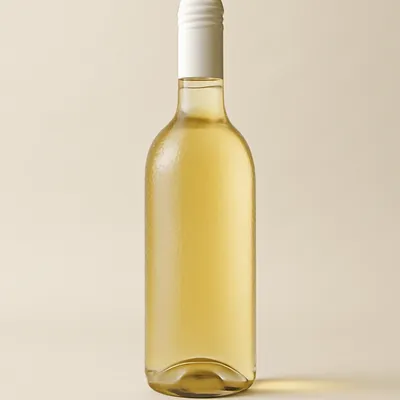

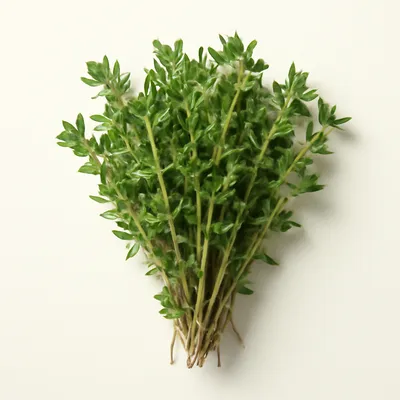




How it's made
6 steps · 20 min active + 15 min waiting
- 15 min
Clean and scale 1 large whole sea bass (about 1kg, gutted) OR use 4 sea bass fillets (about 600g total). Pat dry; season inside and outside with salt and black pepper.
- 27 min
In a wide flat pan with a lid (large enough to hold the fish flat), warm 4 tbsp olive oil over medium heat. Add 1 thinly sliced onion + 4 minced garlic cloves; sweat 5 min until soft.
Watch outSweat the onion and garlic just to soft and translucent, not browned — this is the sweet aromatic base under the fish.
- 35 min
Layer over the onion: 3 sliced ripe tomatoes (in 1cm rounds) + 1 sliced green Turkish pepper + 1 sliced lemon (rounds, seeds removed) + 2 bay leaves + 1 sprig fresh thyme. Sprinkle with 1/2 tsp salt + 1/4 tsp black pepper.
- 43 min
Place the whole fish (or fillets) on top of the vegetable layer. Pour over 1 cup dry white wine + 1/4 cup water + juice of 1/2 lemon + 2 tbsp olive oil.
- 517 min
Cover the pan tightly. Bring to a gentle simmer; reduce heat to low and steam-poach 15 min for whole fish (8-10 min for fillets). The fish should be opaque-cooked but not falling apart, the liquid should be reduced by half.
Watch outThe fish is done when it turns opaque all the way through but still holds together, and the liquid has cooked down by half.
- 64 min
Off heat. Scatter 1/4 cup chopped fresh parsley over the top. Transfer fish to a serving platter; arrange the cooked vegetables and lemon slices around it; spoon the pan juices over everything. Serve with steamed rice (Turkish pilaf) and a glass of cold Çeşme white wine.
Archive tool suggestions — not reviewed
These legacy suggestions have not been evidence-reviewed and are not presented as required tools.


