


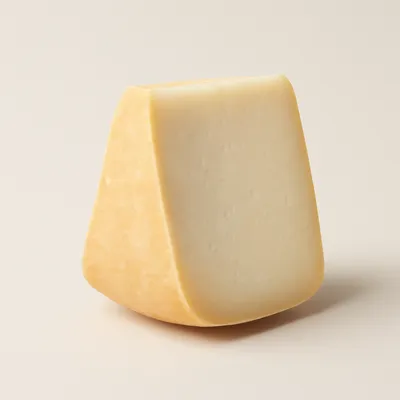


Pane frattau ('crumbled bread') is the Sardinian shepherd's solution to over-aged pane carasau, the parchment-thin flatbread that loses crispness as it sits. Rather than waste the bread, shepherds in the Barbagia mountains dampened sheets in hot meat broth (from whatever animal had been slaughtered) and layered them with tomato sauce and grated aged pecorino — building a kind of bread-lasagna. A poached egg on top transformed it from a snack into a complete meal: protein, carbs, dairy, fat. Today pane frattau is a Sardinian comfort food found in every household and trattoria, made with chicken broth, water, or vegetable broth depending on the kitchen. It is profoundly local — outside Sardinia, almost unknown.
Break the poached egg with the spoon — yellow yolk pours down through the layered bread, mixing with the tomato sauce and the broth-dampened crispy-now-tender pane carasau. The first spoonful is everything at once: pungent tomato, sharp pecorino, runny egg, soft sheets of paper-thin bread, herbs. The texture is unique — somewhere between bread pudding, lasagna, and shakshuka. The original purpose (saving old bread) becomes secondary to the new identity: this dish is its own thing now. Best eaten in a Sardinian mountain village at altitude on a cool day after a hike.
Pane carasau, when fresh, is extremely crispy (made by twice-baking thin wheat sheets); after a week it dries out but doesn't go stale because of low moisture. The brief broth-dip rehydrates the sheets — enough to soften them to a pasta-like texture, not enough to dissolve them into mush. The hot tomato sauce + hot pecorino + hot egg yolk on top create a complete eating experience where the bread is the integrating element. The dish doesn't work with fresh-crispy carasau (won't absorb broth fast enough) or with regular bread (too dense, wrong texture).
Variations
Barbagia mountain canonical uses meat broth (whatever was around); Cagliari coastal variant uses vegetable broth; Nuoro version omits the egg (just bread-tomato-cheese — simpler); modern restaurants serve pane frattau as a stack-tower architectural dish (the same components, different presentation); commercial pane carasau sold in supermarkets outside Sardinia is acceptable but doesn't have the same flavor; vegetarian version with vegetable broth and no meat is canonical for Lent.
On the Palate
Where Pane Frattau sits in the Italian flavor cloud
Ingredients
Serves 4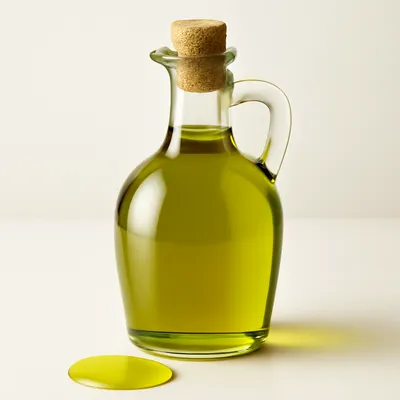
How it's made
6 steps · 20 min active + 10 min waiting
- 121 min
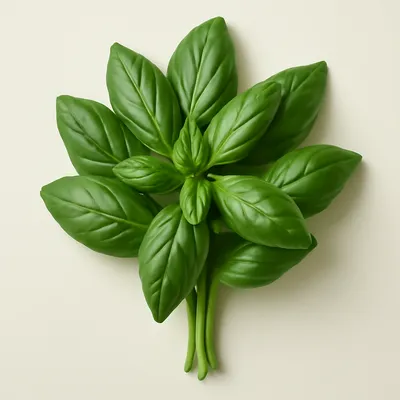
Make sauce in advance: in a saucepan, warm 3 tbsp olive oil + 2 minced garlic cloves + 1/2 chopped onion over medium heat, 5 min. Add 400g passata + 1 tsp salt + pinch of pepper + 6 basil leaves. Simmer 15 min until slightly thickened. Keep warm.
Watch outSimmer the sauce just until it coats the spoon — too thin and it soaks the bread to mush; keep it warm so it melts the cheese on contact.
- 23 min
Bring 1L good chicken broth (or beef broth, or vegetable broth) to a simmer in a wide shallow pan. Salt the broth lightly if not already salted.
- 35 min
Poach 4 eggs: in a separate pan, bring 1L water + 2 tbsp white vinegar to a bare simmer. Crack each egg into a small cup, slide into water, poach 3 min for runny yolk. Lift out with slotted spoon onto a plate.
Watch outPull the eggs at three minutes for a runny yolk — the loose yolk is what runs down into the bread when broken; overcook them and you lose that.
- 41 min
Prepare 4 large shallow bowls, warmed in oven.
- 56 min
Assemble pane frattau (per bowl): take a sheet of pane carasau (large, about 30cm); dip briefly in hot broth, 4 seconds (long enough to dampen, not enough to dissolve); place flat on bottom of bowl. Spoon 3 tbsp tomato sauce over; sprinkle 20g grated aged pecorino. Repeat with second sheet (dip → place → sauce → cheese). Repeat with third sheet (dip → place → sauce → cheese).
Watch outDip the carasau just four seconds — long enough to soften like pasta, not so long it dissolves; a too-long soak turns the sheet to paste.
- 63 min
Place one poached egg on top of each stack; sprinkle with extra pecorino, drizzle with olive oil, scatter torn basil. Serve immediately while everything is hot — the bread softens further from contact, the cheese melts, the egg yolk runs into the bread when broken.
Archive tool suggestions — not reviewed
These legacy suggestions have not been evidence-reviewed and are not presented as required tools.


