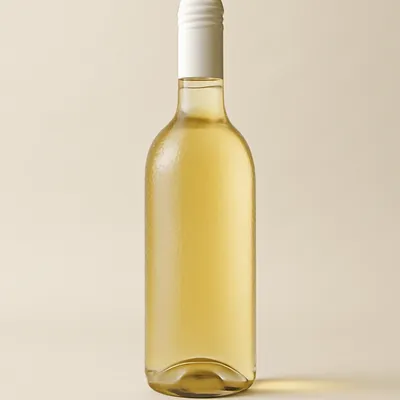
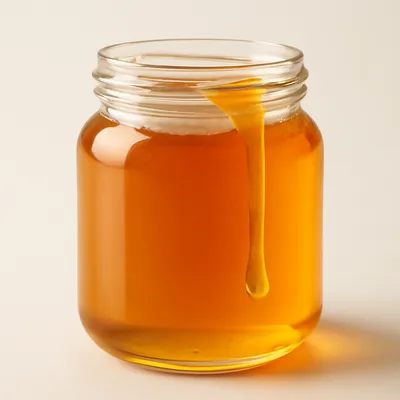
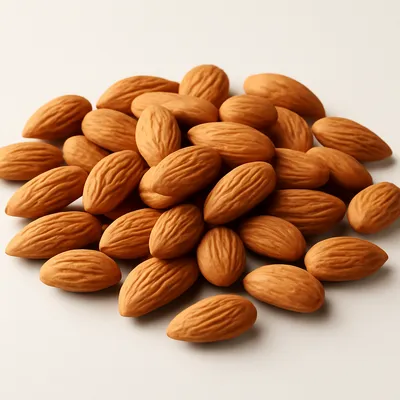
A double-crust Christmas tart from Sarzana and the Lunigiana, enclosing a densely spiced filling of honey, pine nuts, walnuts, almonds, raisins, candied citrus and fig jam in wine-infused shortcrust pastry.



The name Spongata derives from the Latin word for sponge, describing the irregularly perforated surface of its upper crust. A diplomatic record places it as a gift sent to Duke Francesco Sforza of Milan in 1454, making it one of the earliest documented confections in northern Italy. Its dense fruit-and-nut filling closely resembles haroseth, the Sephardic Passover paste, and culinary historians have proposed that it spread through Jewish communities along the Via Francigena, the pilgrim road connecting northern Italy to Rome that passes through Sarzana and Pontremoli. Multiple towns claim artisanal heritage — Sarzana, Pontremoli, Fivizzano and Brescello among them; the Sarzana version holds P.A.T. recognition from Italy's Ministry of Agriculture.
Wine-perfumed pastry crumbles at first bite to reveal a sticky, dense interior where honey, toasted pine nuts and cinnamon meld with candied peel and plump raisins — intensely sweet, aromatic and spiced, a compact mouthful of medieval confectionery.
The white-wine shortcrust suppresses gluten development through ethanol and acidity, yielding a crumbly texture after baking at 180°C. The honey filling concentrates below 120°C inside the pastry shell: sugar crystallises rather than undergoing structural protein change, setting the filling into a firm, dense gel. Pine-nut oils disperse terpene aromatics through the honey matrix. Cinnamaldehyde and myristicin — heat-stable volatile compounds from cinnamon and nutmeg — survive moderate oven temperatures and release steadily through the bake.
Variations
Some Sarzana pastry shops add quince paste alongside fig jam for a more tannic, floral finish. Pontremoli and Brescello versions differ in spice ratios — the Brescello tradition uses more cloves and pepper, echoing a heavier medieval spice aesthetic. Dusting the finished tart with icing sugar is a modern touch; traditional versions are left plain.
On the Palate
Where Spongata di Sarzana sits in the Italian flavor cloud
Ingredients
Serves 8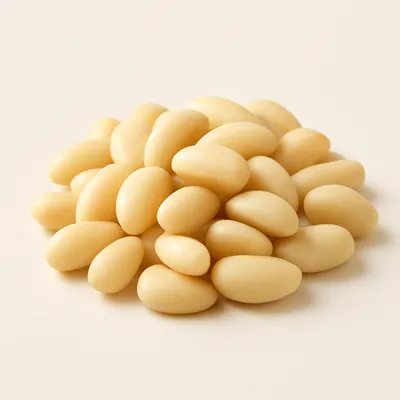


How it's made
7 steps · 30 min
- 170 min
Make wine-infused shortcrust: rub cold diced butter into flour to a sandy texture; add egg yolk, sugar and dry white wine; mix just until combined; wrap and refrigerate 1 hour.
Watch outStop mixing the moment the dough comes together — overworking builds gluten and the crust turns tough instead of crumbly.
- 25 min
Toast pine nuts in a dry pan over medium heat until golden; roughly chop walnuts and almonds.
Watch outToast the pine nuts just to pale gold and pull them off — they carry over and go bitter if left to brown.
- 310 min
Warm honey gently until fluid; stir in toasted pine nuts, chopped walnuts, almonds, raisins, candied citrus peel, fig jam, cinnamon, nutmeg and a small amount of breadcrumbs; mix to a thick, spreadable paste.
- 43 min
Preheat oven to 180°C; grease and flour a 24cm round tart tin.
- 510 min
Divide chilled pastry two-thirds to one-third; roll the larger piece into a circle and line the tin, pressing it gently up the sides without stretching.
- 65 min
Spread the filling evenly over the pastry base; roll out the remaining pastry and lay it over the filling; press the edges firmly to seal; pierce the top crust all over with a fork.
- 732 min
Bake at 180°C for 28–32 minutes until the crust is pale golden; cool completely before slicing — the filling firms further as it cools.
Watch outThe crust is done at pale gold, not deep brown — and it only firms as it cools, so don't judge the set while hot.
Archive tool suggestions — not reviewed
These legacy suggestions have not been evidence-reviewed and are not presented as required tools.


