
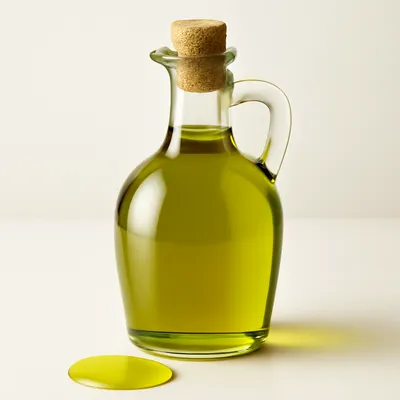
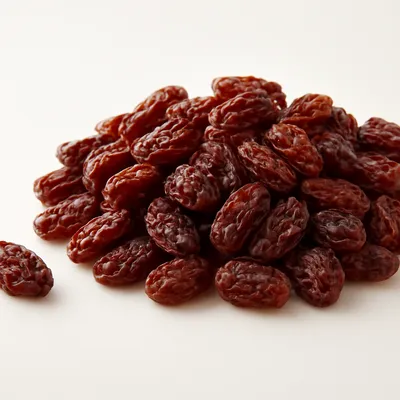
A thin, dense autumn cake of the Tuscan and Apennine country, made from chestnut flour rather than wheat. Chestnut flour is whisked with water and a little olive oil into a smooth, pourable batter, spread shallow in an oiled pan, scattered with pine nuts, raisins, walnuts and rosemary, and baked until the top sets into a cracked, dark crust. It is barely sweet — the sweetness comes from the chestnut flour itself, not added sugar — and is eaten in autumn and winter, often with fresh ricotta or a sweet wine. The surface should craze into a fine network of cracks.




A rural sweet of Tuscany and the Apennines, born of cucina povera in chestnut country, where dried chestnuts milled into flour were a staple starch before and beside wheat. It is documented early: in his 1553 «Commentario delle più notabili et mostruose cose d'Italia», Ortensio Lando names a certain Pilade da Lucca as «the first who made castagnazzi», for which he was praised. From a plain Tuscan country bake, the cake spread through the chestnut belt — into Liguria, Piedmont, Emilia and Corsica — and the dressier additions of pine nuts and dried fruit, which turned a peasant flatbread into a seasonal dolce, became common from around the 19th century. It goes by regional names including «baldino» and «toppone».
Dense, moist and only a finger thick, with no crumb to speak of — more like a soft, sliceable paste than a cake. The top is dry, cracked and faintly bitter where it darkened in the oven; underneath it stays moist and almost fudgy. The flavour is unmistakably chestnut: earthy, nutty, gently sweet, with the resinous lift of rosemary, the chew of soft raisins, and the toasted crunch of pine nuts and walnuts on top. The olive oil is there in the background, savoury and green. It is not a sweet, sugary cake; people expecting one find it austere. Eaten warm with ricotta, the contrast of dry top and creamy cheese is the point.
Castagnaccio works without wheat, yeast or eggs because chestnut flour does the binding itself. Chestnut flour is rich in starch but has no gluten, so the batter cannot trap gas and rise; instead it bakes into a dense, flat layer. As it heats, the chestnut starch absorbs the water and gelatinizes, setting the batter into a moist, cohesive paste rather than an airy crumb. The flour's high natural sugar content means the dish needs no added sugar, and those same sugars brown on the exposed top through the Maillard reaction and caramelization, giving the dark, slightly bitter crust. The signature crazed cracking is simply the surface drying and shrinking faster than the still-moist interior as it bakes. A film of olive oil under and over the batter stops it sticking and carries flavour. Because there is no leavening, the cake is meant to be thin — poured too deep, the center stays raw and gummy.
Variations
The plainest old versions are little more than chestnut flour, water, oil and rosemary; the familiar dressed-up cake adds pine nuts, raisins and walnuts, and many cooks scent it with orange zest or fennel seeds. Sweetness and richness vary, and some modern versions cheat in a little sugar, though purists object. The cake travels under different regional names — «baldino» in parts of Tuscany, «toppone» in the Livorno area for a thicker version, and «patona» or other names elsewhere in the chestnut belt. Beyond Tuscany it is made in Liguria, Piedmont, Emilia-Romagna, the Lunigiana and on Corsica, with small local differences in toppings and thickness.
On the Palate
Where Castagnaccio sits in the Italian flavor cloud
Ingredients
Serves 8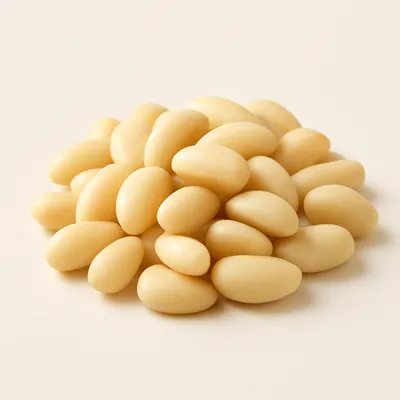

How it's made
7 steps · 15 min
- 110 min
Soak the raisins in warm water (or a splash of sweet wine) until plump, and lightly toast the pine nuts and walnuts.
- 23 min
Sift the chestnut flour into a bowl with a pinch of salt to break up any lumps.
- 35 min
Whisk in water a little at a time, then a spoonful of olive oil, to make a smooth, lump-free batter the thickness of pouring cream.
Watch outWhisk the batter smooth and lump-free to the thickness of pouring cream — chestnut flour clumps easily, and lumps bake into raw pockets.
- 44 min
Stir in most of the drained raisins, then pour the batter into a wide, well-oiled shallow tin to a depth of about a finger.
- 53 min
Scatter the pine nuts, walnuts, remaining raisins and rosemary needles over the top and drizzle with a little more olive oil.
- 635 min
Bake in a hot oven at about 200°C until the surface is dry and crazed with cracks and the edges come away from the tin.
Watch outBake until the top is dry and crazed with cracks and the edges pull from the tin — that cracked crust and dark top is the mark of a proper castagnaccio.
- 75 min
Let it cool slightly and serve warm or at room temperature, on its own or with fresh ricotta.
Archive tool suggestions — not reviewed
These legacy suggestions have not been evidence-reviewed and are not presented as required tools.


