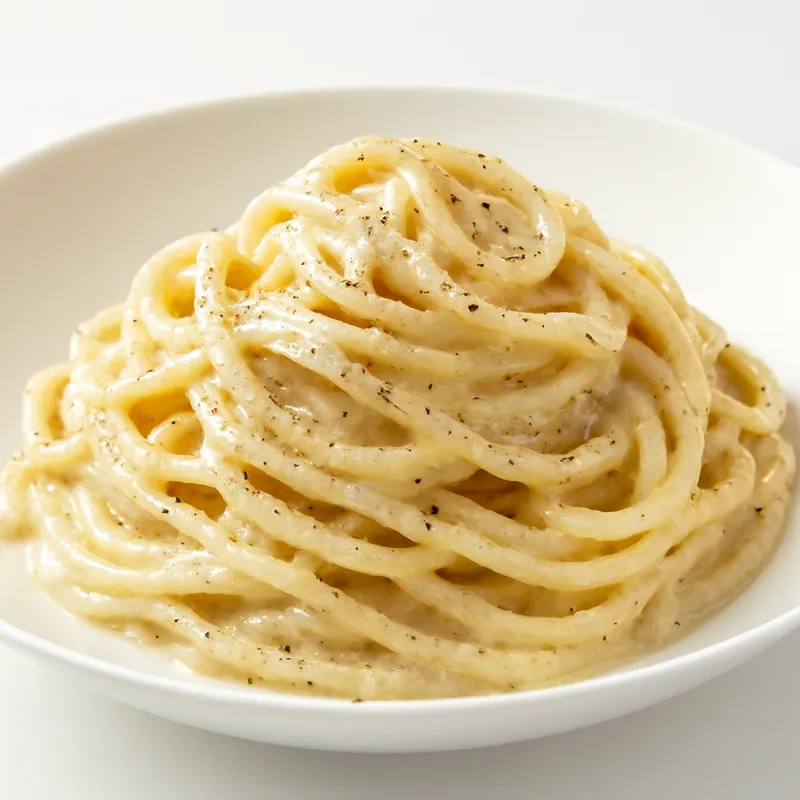
A dense, dark Christmas cake of the Piceno — the Ascoli Piceno, Fermo, and Macerata country — built on dried figs bound with cooked grape must (sapa or vino cotto), studded with walnuts, almonds, raisins, candied peel, honey, and warm spices. It is made without eggs or leavening, baked low and slow into a low slab and sliced thin like a fruitcake. A pantry-clearing sweet of the farming year, it belongs to the panpepato family of spiced fruit breads. Cocoa, coffee, and rum are modern additions, not part of the historic recipe.


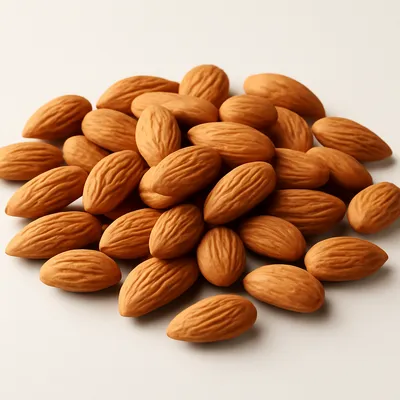
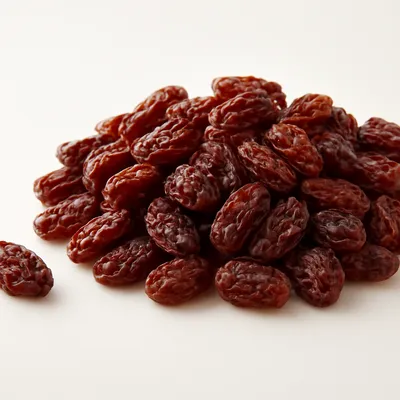

Frustingo (the Marche traditional-food register spells it Fristingo) is a recognised Prodotto Agroalimentare Tradizionale of the region, a cucina povera Christmas cake that farming families assembled from the winter pantry — in some zones around Saint Lucy's day, the 13th of December, to use up stores before year's end. Its dried-fig-and-must core is consistent across sources, and it sits in the panpepato family of spiced fruit breads. It is often romantically traced to an ancient Roman bread of the Piceno, but that lineage is tradition rather than documented descent: Pliny's first-century account of a Picene bread (Natural History 18.106) shares only the region and the use of grape must — it has no figs, nuts, spices, or festive context, and never uses the phrase 'panis picentinus'. The name is commonly derived from the Latin frustum, a piece or morsel, though this rests on a single etymological tradition. Spellings vary by zone — Fristingo, Fresténghe, in Fermo even 'lu ficusu', the fig one.
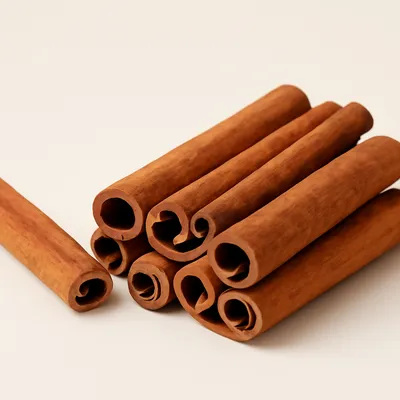
A thin slice is almost black, dense and chewy, weighty in the hand — closer to a fig-and-nut paste held together than to a soft cake. The dried figs give a deep, jammy sweetness, the must adds a winey, caramel depth, and walnuts and almonds break it up with crunch and a faint bitterness. Spice surfaces in the background: cinnamon, a little nutmeg, sometimes pepper or anise. Rich and concentrated, it is cut small and eaten in slivers with a glass of cooked or sweet wine.
There is no leavening and usually no egg, so the structure comes entirely from the dense fruit-and-nut mass bound by cooked grape must: simmering grape juice down to sapa concentrates its sugars into a thick, sticky syrup that glues the figs, nuts, soaked breadcrumbs, and raisins into a cohesive paste. The figs are softened first, often in the must with citrus zest, so they meld rather than stay dry. The cake is pressed into a low form, around five centimetres deep, and baked low and slow — roughly 170 to 200 degrees Celsius for thirty to forty minutes — long enough to set the dense mass without drying it. A rest, often overnight, lets the flavours marry and the slab firm for slicing.
Variations
Recipes and even names shift valley by valley. The Macerata and Ancona zones lean toward a polenta-style, cornmeal-thickened version; the Pesaro and Montefeltro branch becomes bostrengo, a distinct relative built on rice with apple or pear. Some cooks fold in cooked apples or pears, pine nuts, or a splash of anise liqueur (mistrà). Cocoa, chocolate, coffee, and rum appear in modern recipes but were not part of the historic Piceno cake. The dense, no-leaven fruit core is the constant.
On the Palate
Where Frustingo sits in the Italian flavor cloud
Ingredients
Serves 10


How it's made
7 steps · 40 min
- 125 min
Soften the dried figs and simmer them in cooked grape must with citrus zest until plump and saucy.
Watch outSimmer the figs in the reduced grape must until plump and saucy — the sapa's concentrated sugar is the only binder holding this eggless, leaveningless cake together, so cook the must down until it's thick and sticky.
- 215 min
Coarsely chop the walnuts and almonds; soak any stale breadcrumbs.
- 315 min
Fold the figs, nuts, raisins, candied peel, honey, breadcrumbs, olive oil, and spices into a stiff, dense paste.
- 4480 min
Let the mixture rest for several hours, ideally overnight, to meld.
- 510 min
Press the paste into a low oiled pan, about five centimetres deep, and smooth the top.
- 635 min
Garnish with walnut halves and bake low and slow until set but still moist.
Watch outBake low and slow until set but still moist — enough to firm the dense mass through without drying it into a hard brick.
- 730 min
Cool completely, then slice thin to serve.
Archive tool suggestions — not reviewed
These legacy suggestions have not been evidence-reviewed and are not presented as required tools.