A peasant use-up cake of the Lake Como shore: stale bread soaked in milk, then combined with apples, pears, grapes, raisins, dried figs and walnuts — sweetened by the fruit alone when sugar was scarce — and baked into a dense, fragrant slab. Claimed by Menaggio, Bellagio and Mandello del Lario alike, its probable intellectual ancestor is the 15th-century master cook Martino da Como.



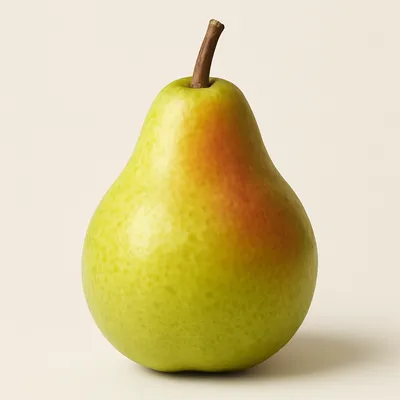

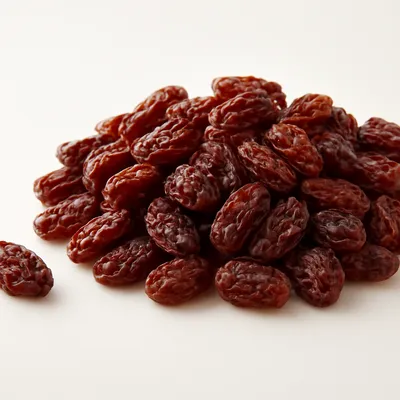
Miascia belongs to the broad Italian family of dolci poveri (poor cakes) in which stale bread is reclaimed as binder and base. Its probable intellectual ancestor is Maestro Martino da Como — the mid-15th-century cook whose Libro de Arte Coquinaria (composed c.1456–1467) is one of the earliest vernacular Italian cookbooks and who worked at the Sforza court in Milan — whose recipes included mixed-fruit bread preparations drawn from the lake communities of the prealpine Lombardy shore. The cake's simplicity — no butter required, fruit sweetness replacing costly sugar, built from the seasonal harvest of apple, pear, grape and fig — made it a staple of the lakeside villages of Menaggio, Bellagio and Mandello del Lario, each of which claims a variant as its own; locally it served as a complete caloric meal for fishing and farming families before the sugar economy made dessert ingredients accessible. A closely related preparation, the smaiasa of Bergamo, confirms the dish's deep spread across prealpine Lombardy.
Dense, moist and deeply fragrant — part bread pudding, part fruit cake; the natural sugars of ripe pear, grape and raisin caramelize at the surface into a dark, sticky crust, while the interior stays soft and yielding, perfumed by fig and a whisper of rosemary.
Staling converts bread starch to a retrograded crystalline form, but prolonged soaking in warm milk disrupts the crystalline network, re-swelling the granules and locking water into the batter matrix. Malic acid from apples and pears and tartaric acid from grapes lower the batter pH, tenderising the gluten network during baking so the interior stays soft. Natural fruit fructose and glucose caramelize at the surface at around 160℃ through non-enzymatic browning, forming the characteristic dark crust. Pectin released from apple and pear cell walls gels lightly during baking, contributing to the cohesive, moist crumb.
Variations
The Bergamo variant (smaiasa) uses wheat flour rather than bread as the base and leans more heavily on raisins and dried fruit. A Como variation adds a layer of cornmeal for a coarser crumb. Some families drizzle grappa over the soaked bread before mixing. An amaretti-spiked version adds crumbled amaretti cookies to the batter along with a splash of amaretto liqueur.
On the Palate
Where Miascia sits in the Italian flavor cloud
Ingredients
Serves 8


How it's made
7 steps · 40 min
- 130 min
Slice stale white bread into rough chunks; submerge in warm whole milk and leave to soak until fully absorbed, 20–30 minutes.
Watch outSoak the bread until it's fully soft and has drunk up the milk — any hard lumps left will stay gritty in the finished cake.
- 210 min
Core and dice apples and pears into 1 cm cubes; halve the grapes; soak raisins in warm water 10 minutes; roughly chop walnuts and dried figs.
- 35 min
Squeeze excess milk from the soaked bread and mash thoroughly with a fork to a rough paste.
Watch outWring the soaked bread hard and mash it right down — squeeze out the extra milk or the batter stays wet and the cake won't set in the middle.
- 45 min
In a large bowl, combine the bread paste with eggs and sugar; mix well; fold in all fruit, raisins, walnuts and figs; add a pinch of salt and fresh rosemary leaves if desired.
- 55 min
Grease a deep baking dish with butter and coat the inside with breadcrumbs; pour in the mixture and spread evenly; dot the surface with small pieces of butter and scatter a few grape halves on top.
- 660 min
Bake in a pre-heated oven at 180℃ for 55–65 minutes until the surface is deeply golden and a skewer inserted in the centre comes out clean.
Watch outBake until the top is deep gold and a skewer comes out clean — this is a dense, moist cake, so give it the full time.
- 75 min
Cool completely in the pan — the cake improves noticeably overnight; cut into squares and serve at room temperature, lightly dusted with sugar if desired.
Archive tool suggestions — not reviewed
These legacy suggestions have not been evidence-reviewed and are not presented as required tools.


