
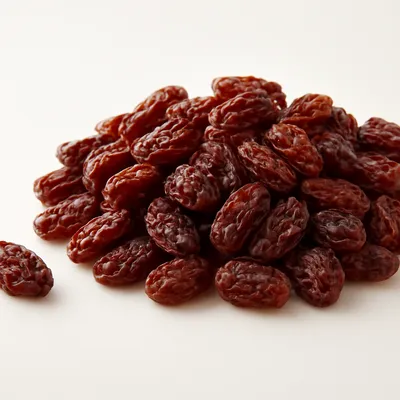
Gubana is a festive sweet of the Natisone valleys, in the Slavic-influenced eastern edge of Friuli-Venezia Giulia around Cividale del Friuli. A thin sheet of dough is spread with a dense filling of ground walnuts, raisins, pine nuts, sugar and grappa-soaked dried fruit, then rolled up and coiled into a tight spiral resembling a snail shell before baking. The name comes from the Slovene word guba, «fold» or «pleat», describing that coil. Two forms coexist: the older valley version uses a sweet leavened yeast dough, while the more aristocratic Cividalese style is built on a laminated, almost puff-like pastry. It is the dessert of Christmas, Easter and weddings across the Friulian and Slovenian border country, usually served in slices with a small glass of grappa or plum brandy.





Gubana is native to the Natisone valleys, a borderland where Friulian and Slovenian cultures meet, and its name derives from the Slovene guba, «fold». Local tradition records that a gubana was served at a banquet held in Cividale del Friuli for Pope Gregory XII in 1409, though the earliest secure written mention of the name dates to the later 16th century, around 1576. It began as humble festival baking, a way to dress flour, eggs, walnuts and honey into something special for Christmas. The dish has no EU protected designation; instead a producers' consortium for the Gubana del Friuli brand was established in 1990 to safeguard the name and recipe.
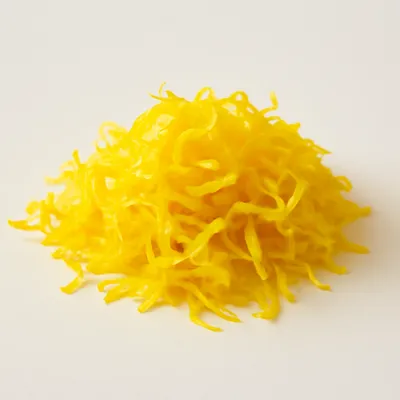
A slice cut from the coil shows a dark, dense spiral of filling wound through pale dough, the ratio tilted heavily toward the nuts. The crumb is moist and close, almost cake-like in the leavened version and shatteringly flaky in the puff-pastry one. The walnut filling is rich and faintly bitter, sweetened with raisins and rounded by the warmth of grappa and a hint of cinnamon and lemon zest. It is firm enough to hold its spiral when sliced; a stale or under-filled gubana goes dry and crumbles, losing the contrast between soft dough and packed nut paste.
The structure depends on a thin, extensible dough that can be rolled around a heavy filling without tearing. In the leavened version a slow yeast rise develops gluten and gives the soft, open crumb; in the Cividalese version the dough is layered with butter and folded so steam lifts it into flaky leaves, the same principle as puff pastry. Soaking the dried fruit and raisins in grappa before mixing both flavors the filling and keeps it from drying out the dough as it bakes. Coiling the rolled log into a spiral packs the maximum length of filling into a compact shape and lets the center cook through without the outer dough scorching; the bake is moderate and fairly long so the dense nut filling sets without the crust burning.
Variations
Two recognized styles exist: the gubana of the Natisone valleys on a leavened dough, and the Cividalese version on a laminated puff pastry. Strucchi are the same walnut filling enclosed in small pastry parcels, fried or baked, essentially a bite-sized gubana. The closely related putizza of nearby Trieste uses a soft yeast dough baked in a round pan and adds chocolate to the nut filling, while presnitz, also from Trieste, takes the spiral idea into puff pastry. Fillings vary by household in the balance of walnuts, pine nuts, raisins, candied peel and spices.
On the Palate
Where Gubana sits in the Italian flavor cloud
Ingredients
Serves 12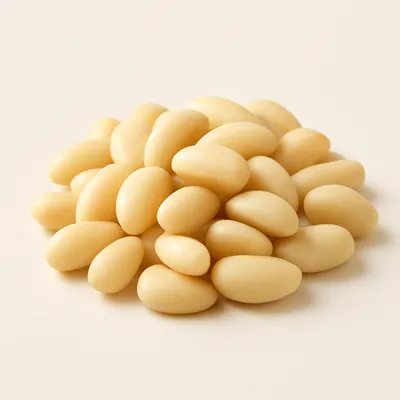

How it's made
9 steps · 1 hour 30 min
- 160 min
Soak raisins and chopped dried fruit in grappa for at least an hour until plump.
- 230 min
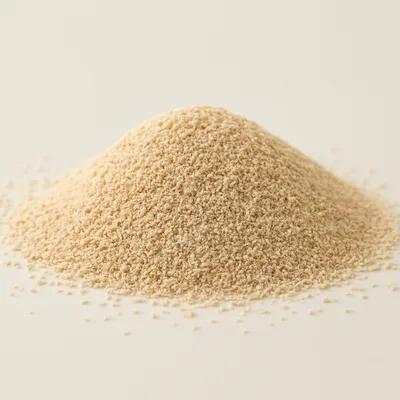
Make a sweet leavened dough from flour, eggs, butter, sugar, a little milk and yeast; knead until smooth and let it rise until doubled.
Watch outThe dough is ready to shape once it has doubled and springs back slowly when pressed — that means the gluten and rise are there.
- 315 min
Prepare the filling: combine ground walnuts and pine nuts with sugar, the soaked fruit and its grappa, cinnamon, lemon zest and a little melted butter into a thick paste.
- 410 min
Roll the risen dough out into a thin rectangular sheet on a floured surface.
- 58 min
Spread the nut filling evenly over the dough, leaving a narrow border.
- 65 min
Roll the dough up snugly from the long side into a tight log, sealing the seam.
Watch outRoll the log snug with no air gaps and seal the seam well, so the spiral holds together through the bake.
- 710 min
Coil the log into a spiral in a round tin or on a lined tray and let it rest briefly.
- 845 min
Brush with beaten egg and bake at a moderate oven, about 170 degrees Celsius, until deep golden and cooked through.
Watch outIt's done at a deep golden brown all over; a skewer into the center should come out clean of raw dough.
- 930 min
Cool fully before slicing so the spiral holds; serve in slices with grappa.
Archive tool suggestions — not reviewed
These legacy suggestions have not been evidence-reviewed and are not presented as required tools.


