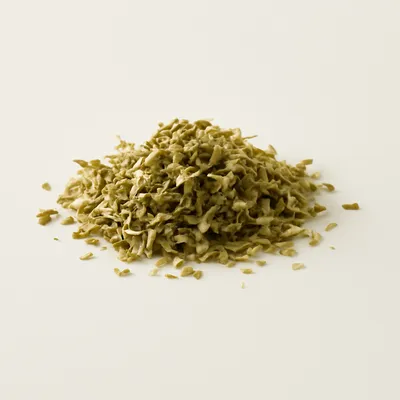
Taranto mussels pried onto the half-shell, packed with a filling of breadcrumbs, garlic, parsley, dried oregano and olive oil, then baked at high heat with a splash of white wine until the crust turns deep gold and the mussel edges curl. Made with the sweet, plump mussels cultivated for centuries in Taranto's Mar Piccolo lagoon.





Mussel cultivation in Taranto's Mar Piccolo — a landlocked double-lobed sea inlet fed by submarine freshwater springs called the citri, which enrich salinity gradients and plankton density — is documented from Greco-Roman antiquity as natural collection along the shoreline. Systematic commercial farming was formalised in the 18th century when Bourbon concessions granted regulated rights to the mussel beds. By the 19th and 20th centuries, mussel farming had become Taranto's primary maritime industry, and cozze gratinate (also called arraganate, from the Tarantino dialect word for oregano-dressed) crystallised into the city's civic dish, appearing at every table from the humblest trattoria to the city's fish market stalls.
A golden, shatteringly crisp gratin crust gives way to a plump, briny mussel — the breadcrumb filling carries garlic sweetness, fresh parsley and warm oregano, all brought into focus by the saline liquor that pools beneath the mussel as it bakes.
At 180–200 ℃, two processes run simultaneously on the half-shell mussels: the mussel's own liquor and the moisture in the filling vaporise, gently steam-cooking the meat from below; simultaneously, the Maillard reaction browns the exposed breadcrumb surface at the air–crust interface, generating hundreds of roasty, savoury flavour compounds. Olive oil lowers the water activity of the crust, raising the local surface temperature above 100 ℃ to ensure browning rather than steaming. The white wine added before baking acidifies the pan environment slightly, which brightens the mussel's briny-sweet flavour and helps dissolve residual shell debris that would cloud the pan juices.
Variations
With Pecorino or Grana Padano grated into the breadcrumb mix for extra richness; a version with beaten egg stirred into the filling so it sets firm during baking; lemon zest added to the crumb mix for brightness; cozze alla puppitegna — the ungratinéed counterpart, mussels steamed open with garlic, oil and parsley, no crust.
On the Palate
Where Cozze Arraganate alla Tarantina sits in the Italian flavor cloud
Ingredients
Serves 4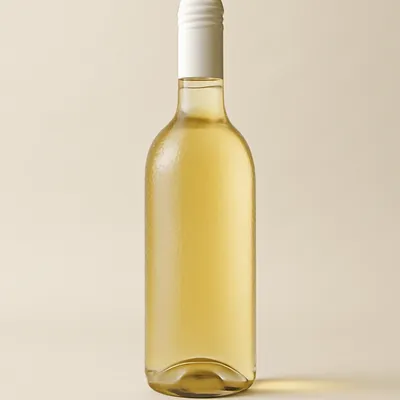

How it's made
6 steps · 20 min
- 110 min
Scrub the mussels under cold water and pull off the beards; discard any that remain open after a sharp tap.
- 210 min
Prise each mussel open with a short knife, twist off and discard the flat upper shell, then loosen the mussel meat from the deeper shell without removing it.
- 35 min
Combine breadcrumbs, finely minced garlic, chopped flat-leaf parsley, dried oregano and a generous pour of olive oil in a bowl; season with black pepper and mix until the crumbs are evenly moistened.
- 48 min
Arrange the half-shell mussels snugly on a baking tray; press a rounded tablespoon of the breadcrumb filling firmly over each mussel to cover it completely.
Watch outPack the breadcrumb topping firmly over each mussel to cover it completely — a full crust browns crisp while trapping the mussel's liquor to steam the meat below.
- 52 min
Splash white wine over the tray so a little liquid pools beneath the mussels; drizzle olive oil over the breadcrumb tops, then slide into a preheated oven at 200 ℃.
- 612 min
Bake for 10–12 minutes until the crumbs are deep golden-brown and the mussel edges have curled visibly; serve immediately, straight from the tray.
Watch outBake until the crumbs are deep golden-brown and the mussel edges have visibly curled — that curl is your doneness signal; serve straight from the tray.
Archive tool suggestions — not reviewed
These legacy suggestions have not been evidence-reviewed and are not presented as required tools.


