A honey-and-flour biscuit from Frascati in the Castelli Romani, molded into the shape of a three-breasted woman—two breasts for milk, one for the local Frascati wine. A registered Traditional Agrifood Product (PAT) of Lazio and listed on the Slow Food Ark of Taste, it is traditionally dipped in Frascati Cannellino sweet wine.
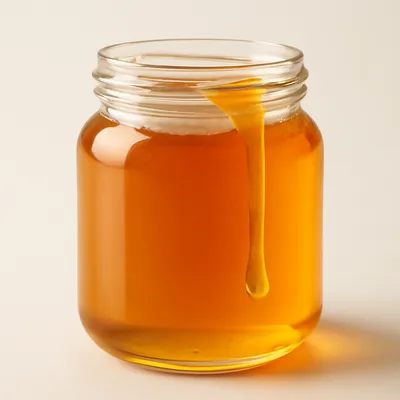
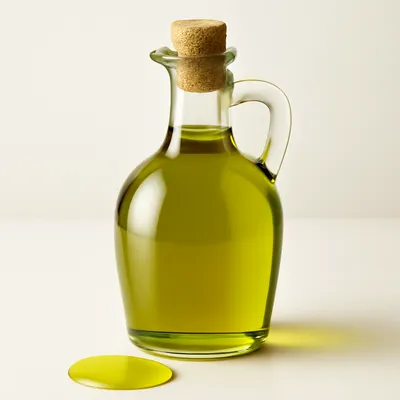
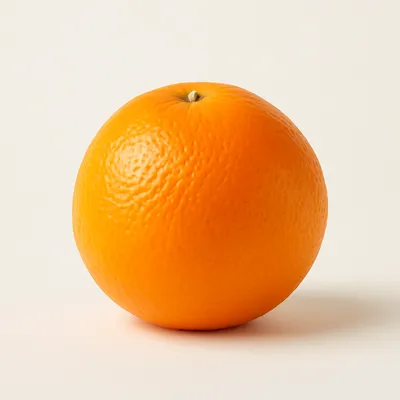

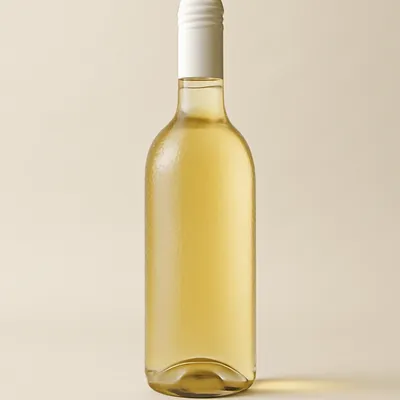
The pupazza frascatana is specific to Frascati, a hill town in the volcanic Castelli Romani some 20 km south of Rome. An older interpretive layer connects the three-breasted female figurine to ancient Roman Sigillaria gift-giving—wax or terracotta dolls exchanged during the December Saturnalia celebrations—suggesting an unbroken regional tradition of shaped sweet figures. The more widely circulated popular legend, documented from the 1960s, attributes the third breast to a local wet nurse (mammana) who, during the grape harvest when mothers worked the fields, calmed infants by dipping a cloth in Frascati wine rather than offering milk. Currently seven artisans in Frascati each maintain personal carved molds and individual recipe variants. The product carries PAT (Prodotti Agroalimentari Tradizionali) status in Lazio and is documented in the Slow Food Ark of Taste.
Dense and amber-sweet, with the deep floral richness of wildflower honey and a crumbly texture that softens delicately when dipped into a glass of Frascati Cannellino—a simple ritual linking bread and wine.
The dough combines flour and honey—an invert-sugar solution of fructose and glucose—without any leavening. During baking, the high sugar content accelerates Maillard browning and surface caramelization while the hygroscopic sugar matrix retains interior moisture. Honey's naturally acidic character (around pH 3.9) and antimicrobial properties extend shelf life. Minimal fat (only olive oil) allows full gluten network formation, producing a firm, compact crumb without the tenderizing interference of fat.
Variations
A related biscuit from the Frosinone area adds eggs to symbolize new life and is associated with Easter celebrations. Some Frascati bakers add a splash of local wine to the dough. Each artisan personalizes decoration: barley seeds, coffee beans, candied cherries, or sugar pearls for the figure's facial features.
On the Palate
Where Pupazza Frascatana sits in the Italian flavor cloud
Ingredients
Serves 6How it's made
7 steps · 30 min
- 110 min
Combine type-00 flour and wildflower honey (equal parts by weight) in a bowl; knead briefly until a firm, non-sticky dough forms.
Watch outKnead just until firm and non-sticky — with no leavening, over-kneading toughens the honey dough instead of keeping the crumb compact-tender.
- 23 min
Add a drizzle of extra-virgin olive oil and finely grated orange zest; knead a further minute to incorporate.
- 315 min
Cover the dough with a cloth and rest at room temperature for 15 minutes. Preheat oven to 180°C.
- 410 min
Press the dough into the three-breasted pupazza mold, or shape by hand into the female figure with two rounded upper forms and one lower breast protrusion.
- 55 min
Place on a parchment-lined baking sheet; press barley seeds or coffee beans into the face for eyes and mouth.
- 622 min
Bake 18–22 minutes until the surface is deep amber-golden and firm to the touch.
Watch outBake until deep amber-gold and firm to the touch — the honey speeds the browning, so watch the color as your doneness cue.
- 710 min
Cool completely on a rack; serve dipped in Frascati Cannellino sweet wine.
Archive tool suggestions — not reviewed
These legacy suggestions have not been evidence-reviewed and are not presented as required tools.


