
Roman
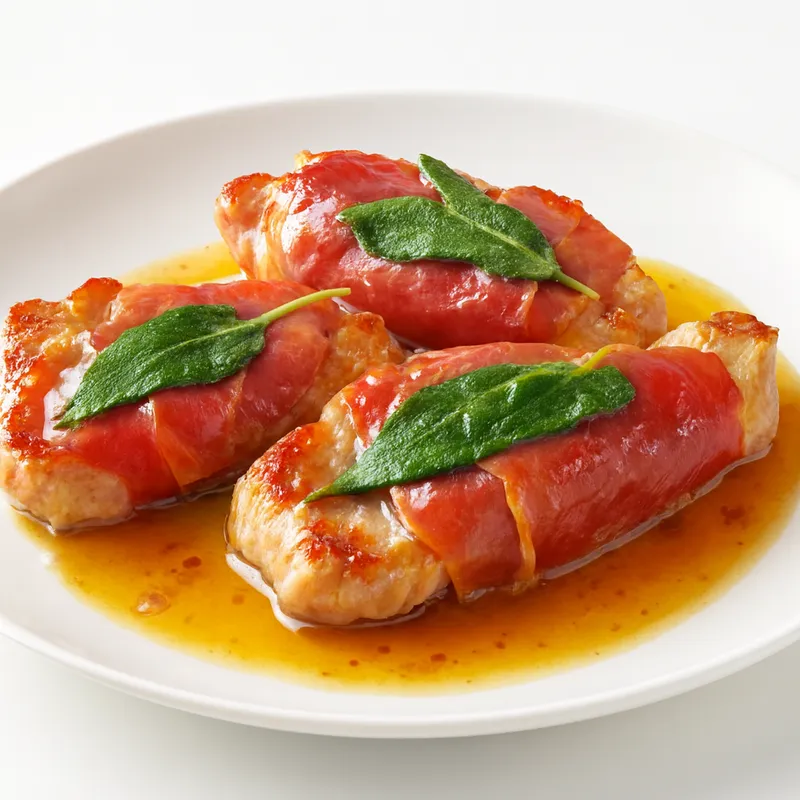
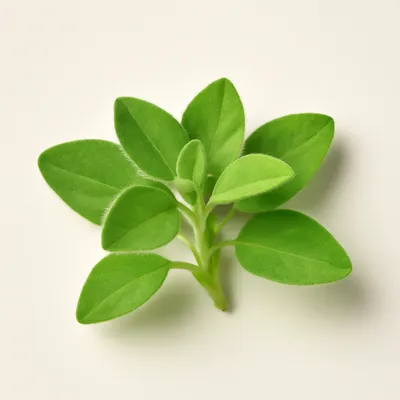
Saltimbocca: veal, prosciutto, sage.
guanciale
Guanciale, cured pork cheek, is essential in Roman pasta dishes like carbonara and amatriciana, providing rich, savory flavor.
View page →In Rome, trattorias spill onto the cobblestones, and the staple plates are built on guanciale and Pecorino Romano. Carbonara — creamy and flecked with black pepper — rules the Roman table, while Saltimbocca pairs tender veal with prosciutto and sage.
Among Italy's regional kitchens, Roman cooking stands out for its directness. Its dishes turn humble ingredients into something more through precise technique: Pecorino Romano, a DOP cheese, anchors its identity, and the use of guanciale instead of pancetta marks its regional character. Here simplicity is not understatement but a mastery of balance and flavor.
The Palate
Dishes to explore
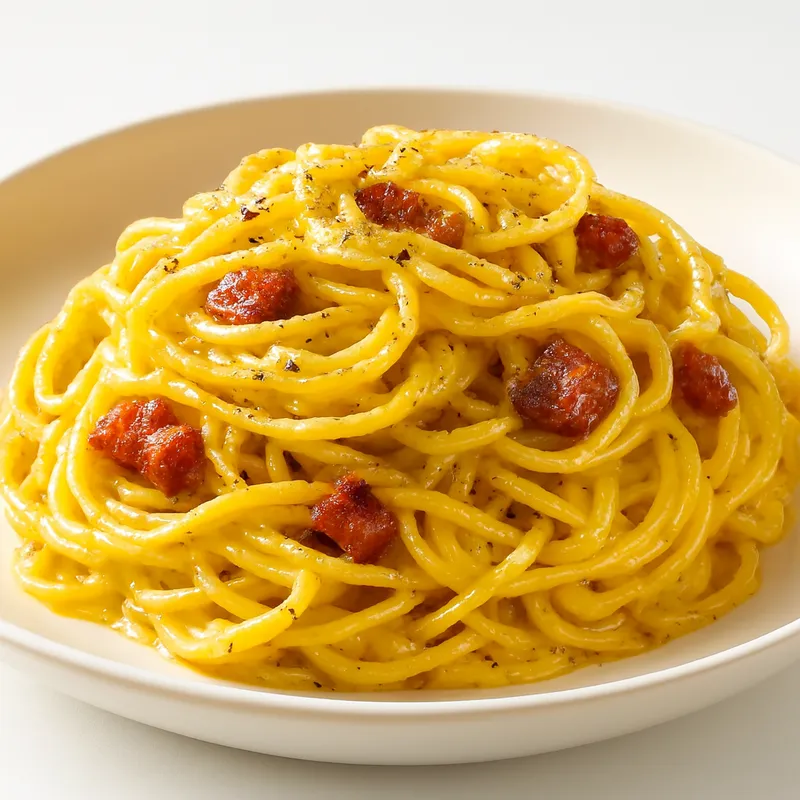
Carbonara
The silky emulsion of egg yolks and Pecorino Romano defines this dish.
Carbonara reveals Roman cuisine's love for rich, creamy textures and bold flavors.
Saltimbocca
Veal, prosciutto, and sage create a savory, aromatic profile.
Saltimbocca connects you to Roman cuisine's historical richness and elegance.
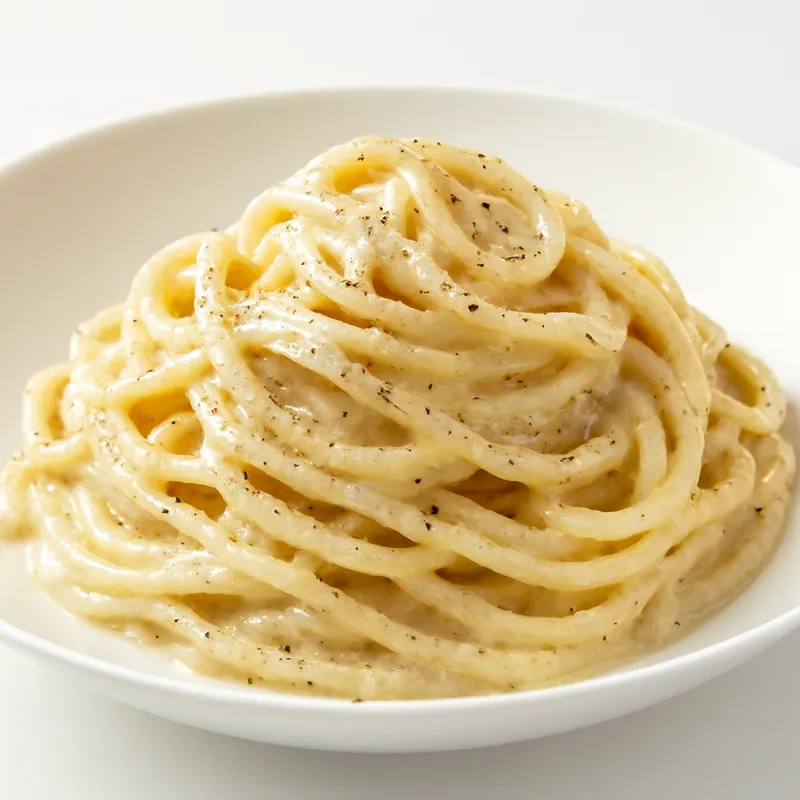
Cacio e Pepe
The creamy emulsion from Pecorino Romano and starch water is key.
Cacio e Pepe exemplifies the Roman mastery of simple yet profound flavors.
The Pantry







See all 125 ingredients›









Herbs & Spices










Dairy & Fats







Sauces & Condiments




Other
How They Cook
Methods linked to dishes in this catalog
Related cuisines
Linked by ingredient records in this catalog
Other regions
Siblings within Italian — each its own tradition.