Bone-in chicken braised with sweet peppers, tomato, white wine, and garlic — the quintessential Roman Ferragosto main. The peppers are cooked separately and folded in at the end, keeping them vivid and slightly firm against the dark, savoury sauce.



The dish traces to the Castelli Romani hill towns south of Rome, where summer trattorie served it to city-dwellers escaping the August heat; sweet peppers grown in the volcanic Alban Hills gave the dish its character. It entered Roman popular memory in August 1967, when Elena Fabrizi — 'Sora Lella,' sister of actor Aldo Fabrizi and owner of a trattoria on Tiber Island — demonstrated it on the RAI programme 'Linea contro Linea,' in what is often described as one of the earliest recipes shown on Italian television. She tested her peppers raw at Campo de' Fiori market, biting each to check for sweetness, and insisted the peppers be cooked separately and added only at the end. Actor Alberto Sordi named the dish — alongside bucatini all'amatriciana and crostata di visciole — as the centrepiece of his annual Ferragosto table.
Tender, wine-braised chicken in a rust-red tomato sauce; the late-added peppers deliver a pop of sweetness and faint crunch against the savoury, fond-enriched gravy.
Browning the chicken over high heat triggers Maillard reactions between amino acids and reducing sugars above 140 °C, building deep colour and flavour-laden fond on the pan surface. Deglazing with white wine dissolves the fond while volatile alcohols evaporate. The subsequent braise with tomato hydrates collagen in the bone-in pieces into gelatin, gradually enriching the sauce body. Sweet peppers cooked separately and added late retain their capsaicinoids, carotenoids, and natural sugars; a final reduction drives off excess water, concentrating all flavour compounds into a coating consistency.
Variations
Some cooks add rosemary or marjoram. The Trapizzino street-food version stuffs the braised filling into a triangular pizza-dough pocket. An agrodolce variant uses vinegar-dressed peppers for a sweet-sour finish.
On the Palate
Where Pollo con i Peperoni sits in the Italian flavor cloud
Ingredients
Serves 4
How it's made
7 steps · 15 min
- 15 min
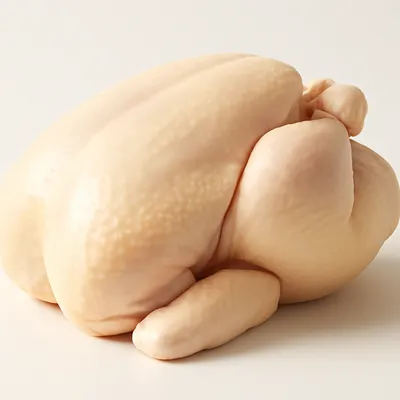
Cut a whole chicken (about 1.5 kg) into 8–10 bone-in pieces; pat dry with paper towels; season generously with salt and black pepper.
- 212 min
Heat 3 tbsp olive oil in a wide, heavy skillet over high heat; sear chicken pieces skin-side down 7–8 minutes until deep golden; flip and colour the other side 4 minutes; remove and set aside.
Watch outSear the chicken skin-side down seven to eight minutes to deep gold, undisturbed — that fond and browned skin is the flavour base; move it too soon and it steams pale instead of searing.
- 34 min
Add 2 crushed garlic cloves to the same pan; deglaze with 120 ml dry white wine, scraping up all fond; let alcohol evaporate, about 3 minutes.
- 435 min
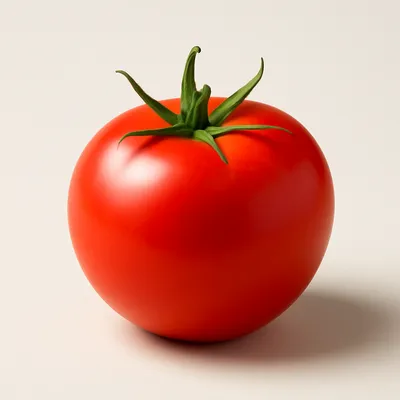
Add one 400 g tin crushed tomatoes; stir well, return the chicken, reduce heat to medium-low; cover and braise 35 minutes, turning pieces halfway.
- 510 min
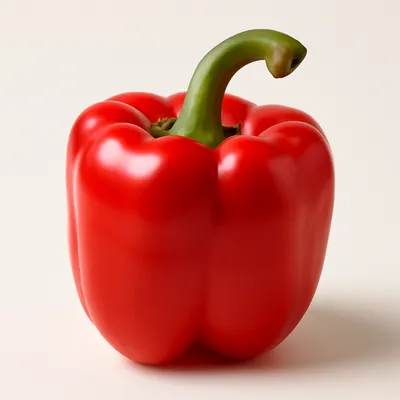
Meanwhile, heat 1 tbsp olive oil in a separate skillet over medium-high; sauté sliced red and yellow sweet peppers with a pinch of salt, 10 minutes until just tender but still slightly firm.
Watch outCook the peppers separately just ten minutes, tender but still slightly firm — added late they keep their sweetness and colour; overcooked with the braise they'd go limp and dull.
- 63 min
Uncover the chicken, check and adjust seasoning; fold in the sautéed peppers, stirring gently to coat them in the sauce.
- 75 min
Simmer uncovered 5 minutes to marry flavours and reduce sauce to a coating consistency; serve hot.
Watch outSimmer uncovered a final five minutes until the sauce reduces to coat the spoon — this concentrates the flavour; a thin watery sauce means it needs longer.


