
A swordfish dish of the province of Messina, where the fish (pesce spada) is the signature catch of the Strait. Thick steaks are cooked briefly in a «ghiotta» — a Messinese sauce built on tomato, green olives, capers, celery and onion, and set apart from the Calabrian version across the water by the addition of pine nuts and sultanas, which give it a rounder, faintly sweet-and-salty edge. The dish is also recorded as «agghiotta» and, in Sicilian dialect, «u piscispata â ghiotta»; the word ghiotta is tied to «ghiotto», greedy or mouth-watering. Both the Messina and the Reggio Calabria sides of the Strait claim a swordfish «ghiotta», and the two preparations differ chiefly in this matter of pine nuts, raisins and chili.
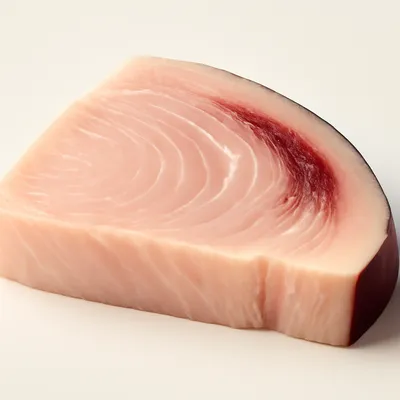

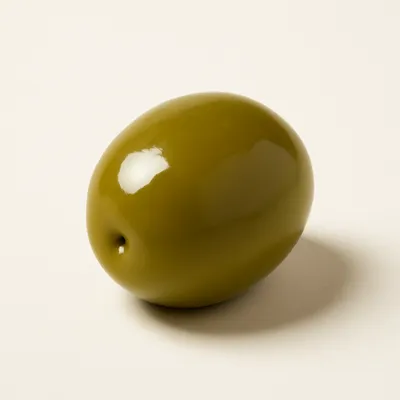
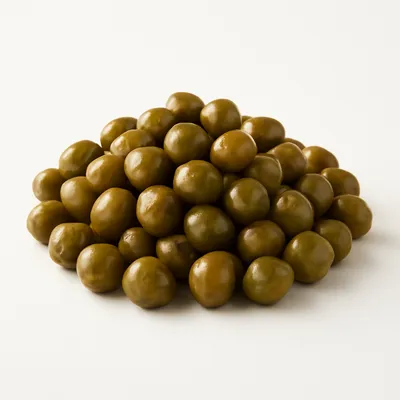
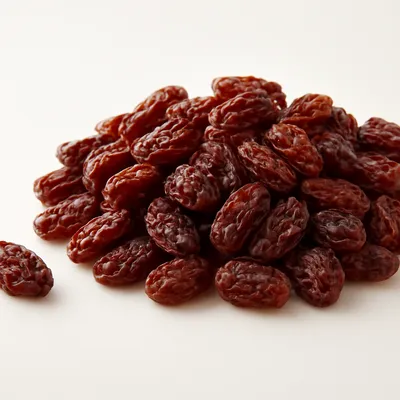

Swordfish is the signature catch of the Strait of Messina between Sicily and Calabria, taken in seasonal hunts that Italian sources call «spatare»; the harpoon boats, the feluche with their tall lookout mast and long bow gangway (passerella), continue a method recorded since antiquity. The «ghiotta» is the Messinese way of dressing it, and the same name and broad method are shared with the Reggio Calabria shore opposite — Italian Wikipedia describes pesce spada alla ghiotta as a dish of both Sicilian and Calabrian cuisine, of the provinces of Messina and Reggio Calabria. The two shores diverge in the sauce: the Messina version characteristically carries pine nuts and sultanas, often with celery, onion and basil, for a sweeter, rounder result, while the Calabrian version — and especially the «alla bagnarese» of Bagnara Calabra and Scilla — leans sharper, with more chili and without the pine nuts and raisins. It is the Calabria region, not Sicily, that has had pesce spada alla ghiotta entered on the national list of traditional agri-food products (P.A.T.). The name describes appetite rather than a person: «ghiotta» relates to «ghiotto», greedy or mouth-watering, the same sense found in the Umbrian and other «alla ghiotta» preparations.
A thick swordfish steak, just cooked through to a moist opacity, in a glossy red sauce flecked with pale pine nuts and dark, swollen sultanas. The first taste is savoury — the brine of capers and green olives over a soft sweetness of onion and tomato — and then the raisins answer with a quiet sweetness and the pine nuts with a buttery, resinous crunch, the whole thing landing as gently sweet-and-salty rather than hot. The fish itself is firm and meaty but should give easily, never dry or stringy; celery and basil keep the sauce fresh against its richness. A poor version is either a dry, overcooked steak or a thin, sour sauce that tastes only of vinegar.
Swordfish flesh is lean and low in connective tissue, so it firms and dries quickly once its proteins set from about 55–60°C; the steak is therefore cooked only briefly — a short sear, then a few minutes turned through the simmering sauce, finished off the heat so residual warmth carries it to just-done while it stays moist. The sauce is started as a gentle soffritto of onion (and celery) softened in olive oil at a low temperature without browning, so it stays sweet rather than bitter; tomato, olives and capers are then simmered to meld before the fish goes in. The sweet-salty balance is deliberate: capers should be salt-cured and rinsed, not vinegar-brined, or the sauce turns thin and sour, while the sultanas — often plumped first in warm water or white wine — and the pine nuts set a measured sweetness against that brine, the agrodolce signature that marks the Messina ghiotta apart from the sharper Calabrian one. Pine nuts may be lightly toasted to deepen their flavour, and are added late so they keep some bite.
Variations
The chief contrast is across the Strait. The Messina «ghiotta» (also «agghiotta») characteristically carries pine nuts and sultanas, with celery, onion and basil, for a rounder, faintly sweet-and-salty sauce; some Messina families also add potatoes, and the dish is made not only with steaks but with rolled involtini and braciole of swordfish. The Calabrian version — the «alla bagnarese» or «bagnarota» of Bagnara Calabra and Scilla, and the broader «alla calabrese» — is sharper and built on more chili (peperoncino) without pine nuts or raisins. The same ghiotta sauce is famously used in Messina for «stocco a ghiotta» (stockfish) and «baccalà a ghiotta» (salt cod). In the Aeolian Islands, whose capers are prized, swordfish is closely tied to mint, though there it appears most in a smoked-swordfish salad rather than as a standard part of the braised ghiotta.
On the Palate
Where Pesce Spada alla Ghiotta sits in the Italian flavor cloud
Ingredients
Serves 4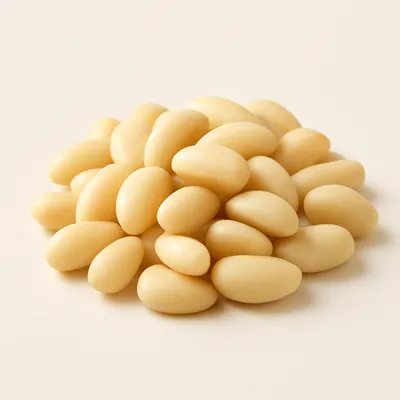
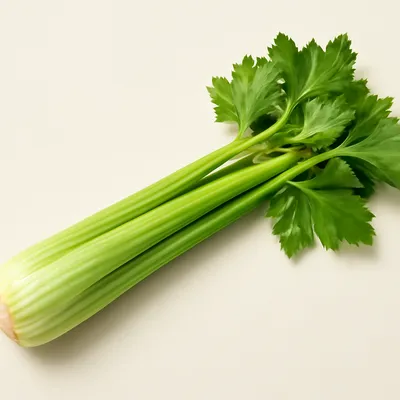


How it's made
7 steps · 25 min
- 110 min
Soak the sultanas in warm water or a little white wine until plump, and rinse the salt-cured capers well; lightly toast the pine nuts in a dry pan if you like.
- 28 min
In a wide pan, gently soften the finely chopped onion and celery in olive oil over low heat without browning, then add the slivered garlic for a moment.
Watch outSweat the onion and celery on low with no color at all — let them brown and the base turns bitter instead of sweet.
- 315 min
Add the chopped tomato, sliced green olives and the rinsed capers, and simmer until the sauce comes together, about 15 minutes; season with salt and pepper.
- 43 min
Stir in the drained sultanas, the pine nuts and a few basil leaves, and let the sauce simmer another couple of minutes to balance the sweet and salty.
- 58 min
Slide the swordfish steaks into the sauce, spoon some over the top, cover, and cook gently, turning once, just until the fish is opaque and barely done, about 8 minutes.
Watch outThe swordfish is lean and dries fast — pull it the moment the flesh turns opaque, about 8 minutes, or it goes firm and stringy.
- 64 min
Take the pan off the heat and let the fish rest a few minutes in the sauce so it stays moist and soaks up the flavour.
Watch outRest it off the heat in the sauce — residual warmth carries it to just-done and keeps it moist while it soaks up flavor.
- 73 min
Serve the steaks with the ghiotta spooned over, a little extra basil, and bread to mop the sauce.
Archive tool suggestions — not reviewed
These legacy suggestions have not been evidence-reviewed and are not presented as required tools.


