
The Sunday ragù of Naples, in Neapolitan dialect o' rraù. Unlike ragù alla bolognese, the meat is not minced: whole, large cuts of beef and pork — often including braciole, thin slices rolled around garlic, parsley, pecorino, raisins and pine nuts and tied with twine — are slow-braised for many hours in tomato passata with onion and red wine. The cooking is a bare, barely-bubbling simmer the Neapolitans call pippiare. The long-cooked sauce is used on its own to dress the pasta, classically ziti spezzati (long ziti snapped by hand), while the braised meats are served afterward as a separate second course.



A traditional dish of Naples and the wider Campania, where it is registered among the region's traditional food products. The Neapolitan ragù was set down in print by Ippolito Cavalcanti, Duke of Buonvicino, in his cookbook «Cucina teorico-pratica», first published in Naples in 1837; from the second edition of 1839 the book carried an appendix of home cooking in the Neapolitan dialect, «Cusina casarinola co la lengua napolitana». Food historian Luca Cesari notes that a meat ragù with tomato already appears in Cavalcanti's work, and that through the 19th century the Neapolitan and the «Genovese» (onion-based) versions ran in parallel before separating. The defining trait — recorded across Italian culinary sources — is that the meat is cooked whole in large pieces (roughly 500 g to 1 kg), not ground, and that only the resulting sauce dresses the pasta while the meat follows as a secondo; this is the structural difference from ragù alla bolognese, which uses minced meat and dresses tagliatelle. The dish became a fixture of Neapolitan culture: it is the through-line of Eduardo De Filippo's three-act comedy «Sabato, domenica e lunedì» (1959), where the line that ragù must «pippiare» — cook at the gentlest possible simmer — is often quoted as a small philosophy of patience.
The sauce is dark, dense and glossy — long-cooked tomato turned almost mahogany, deeply savory and faintly sweet from the slow-melted onion and the meat that braised in it for hours, with no bright raw-tomato tang left. It clings to the snapped ziti and pools in the broken tubes. The meats come after: beef and pork that pull apart at the fork, the braciole sliced to show its spiral of garlic, parsley and pecorino studded with raisins and pine nuts. A good rraù is thick enough to coat a spoon and tastes of meat and wine more than of tomato; a thin, sharp, bright-red one was rushed at too hard a boil and never had time to pippiare.
This is a long, low braise of collagen-rich whole cuts. Beef and pork shoulder, ribs and rind are full of tough connective tissue; held in liquid kept to a bare simmer, the collagen slowly hydrolyzes into gelatin over many hours, which is what turns the meat fork-tender and gives the sauce its glossy, mouth-coating body. The point of pippiare — a barely-bubbling simmer around 85 to 95°C rather than a hard boil — is that a rolling boil squeezes water from the muscle fibres and toughens the meat, and agitates the sauce into something coarse; the faint, slow blip keeps the conversion running gently while the sauce reduces. Searing the meat first builds flavor through the Maillard reaction — the browning of amino acids and sugars on the surface — and that fond dissolves into the sauce. The onion is cooked down slowly so its harsh sulfur compounds break down and its sugars emerge; the tomato, simmered for hours, loses its raw acidity as its own sugars concentrate and round out, so the long cook is what makes the sauce taste sweet and deep rather than sharp.
Variations
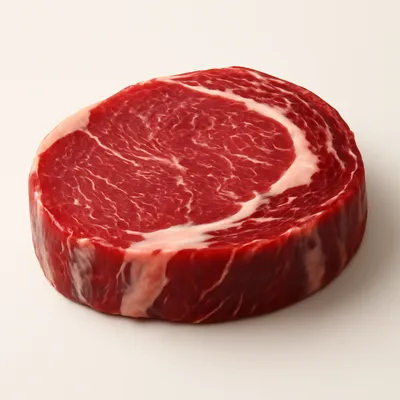
The cuts vary household to household: beef chuck or muscle and pork shoulder are common, often with pork ribs (in dialect tracchiulelle) for the collagen they release, pieces of pork rind (cotica/cotenna), and in many homes Neapolitan sausage — though some purists leave the sausage out. Braciole (also called involtini) are the signature addition: thin slices of beef or pork rolled around garlic, parsley, pecorino or caciocavallo, raisins and pine nuts, tied and braised in the sauce. The pasta is classically ziti spezzati, long ziti snapped by hand, though other large cuts are used. It should not be confused with ragù alla bolognese, which is built on minced meat and dresses fresh tagliatelle; the onion-based «ragù alla genovese» is a separate Neapolitan sauce. The Italian-American «Sunday gravy» is a diaspora descendant of this dish.
On the Palate
Where Ragù Napoletano sits in the Italian flavor cloud
Ingredients
Serves 6


How it's made
8 steps · 30 min
- 125 min
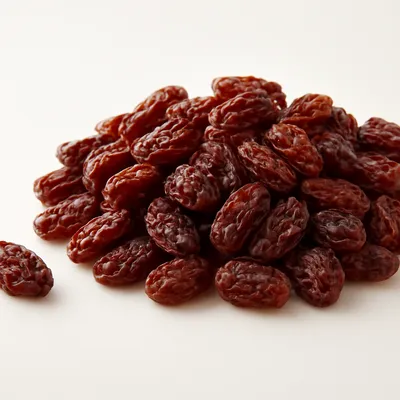
Make the braciole: lay out thin slices of beef or pork, scatter with garlic, parsley, grated pecorino, raisins and pine nuts, then roll up tightly and tie with kitchen twine.
- 215 min
In a heavy pot, brown the braciole and the whole pieces of beef and pork well on all sides in olive oil, then set the meat aside.
Watch outBrown the meats deeply on all sides before they come out — that seared crust is the savory foundation the whole long braise builds on.
- 312 min
Add the finely sliced onion to the same pot and cook gently until very soft and golden, scraping up the browned bits.
- 45 min
Return the meat, pour in the red wine and let it bubble until the alcohol cooks off.
- 55 min
Add the tomato passata, season with salt, and bring to the gentlest possible simmer.
- 6300 min
Cover partly and let it pippiare — a bare, barely-bubbling simmer — for at least 4 to 6 hours, stirring now and then, until the sauce is dark, dense and glossy and the meat is meltingly tender.
Watch outHold it at a pippiare — a bare, barely-bubbling simmer, just the faintest blip for hours — a hard boil wrings the meat dry and roughens the sauce; the slow blip melts collagen into a glossy body.
- 73 min
Lift out the meats and keep them warm to serve as a second course.
- 815 min
Cook the ziti spezzati in salted water, drain, and dress with the ragù sauce; serve with grated pecorino, and bring the meats to the table afterward.
Archive tool suggestions — not reviewed
These legacy suggestions have not been evidence-reviewed and are not presented as required tools.



