
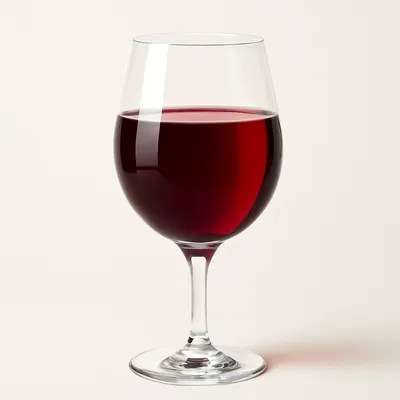
A Tuscan first course of broad, flat egg-pasta ribbons dressed with a long-cooked ragù of wild boar (cinghiale). Boar shoulder or leg is cut up, often marinated overnight in red wine with aromatics to tame its gaminess, then browned and braised for hours over a soffritto of onion, carrot and celery with red wine, tomato and warm spices — bay, juniper, sometimes rosemary and clove — until the meat shreds into a dark, dense sauce. It is tossed with wide pappardelle, the broad ribbon being the classic match for so robust a sauce, and finished with Pecorino or Parmigiano. The dish belongs to the hunting country of the Maremma and the Chianti hills, where boar has long been abundant.
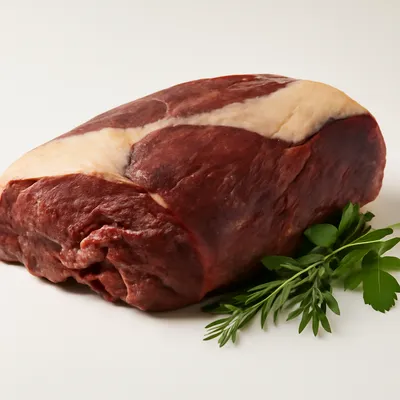



Pappardelle take their name from the Tuscan verb pappare, 'to gobble', and have long been the region's pasta of choice for rich game sauces; wide flat egg ribbons of this kind are documented in Tuscan cooking well before the modern era. The pairing with wild boar grows out of the hunting tradition of inland and southern Tuscany — above all the Maremma, the wild coastal strip whose dense boar population made the animal an everyday catch — where hunters would slow-cook the tough, lean meat with wine and aromatics to make it tender and palatable. No single inventor or date is recorded; the dish is regional folk cooking rather than a codified creation. The wild boar's importance to the area is old: Etruscan and Roman sources already note boar-hunting in the Tuscan interior.
The pappardelle are broad and supple, two to three centimetres across, with enough surface and weight to carry the heavy sauce without being swamped. The ragù is dark and dense, the boar pulled into soft shreds that catch in the ribbons; the meat tastes leaner, firmer and more savory than pork, with a clean wild depth the wine and juniper round off rather than mask. The first note is deep red wine and braised meat, then the warm spice and a faint resinous edge from juniper or rosemary come through. Grated Pecorino adds a salty, sheepy lift at the end. Done well it is tender and well-bound; done badly the boar stays tough and the sauce thin if the braise was rushed, or the gaminess turns harsh without the wine marinade.
This is a long, gentle braise built to break down a tough, lean wild meat. Boar from the worked muscles is rich in connective-tissue collagen and very low in fat; held in liquid below the boil, around 85 to 90°C, for two to three hours, that collagen slowly hydrolyzes into gelatin, which both turns the fibres fork-tender and gives the sauce its body. Browning the cut-up meat first drives the Maillard reaction, building the deep roasted flavour and colour before the simmer takes over. The overnight red-wine marinade does real work: its acidity and alcohol help loosen surface proteins and carry the wine and spice aromas into the meat, while also muting the gamey notes some find strong in boar. Cooking in wine and tomato rather than water means alcohol and acid carry fat- and water-soluble aroma compounds throughout, and long reduction concentrates them into a dense sauce. Keep it at a bare simmer — a hard boil squeezes moisture from the already-lean fibres and leaves the meat dry and stringy.
Variations
The ragù varies by hand and by town: some cooks keep it close to a plain tomato-and-wine braise, others lean into juniper, clove, rosemary and nutmeg for a more 'wild' profile, and a few add a little dark chocolate or cocoa to round the sauce. The marinade itself differs — most use red wine with aromatics, while some skip it for younger meat. The same boar ragù dresses other broad Tuscan pastas, and beyond Tuscany the pairing appears in Umbria as pappardelle al cinghiale ternane. Hare (lepre) is the classic alternative game for pappardelle, while in the Maremma the boar also becomes the slow stew cinghiale in umido and the cured salame di cinghiale.
On the Palate
Where Pappardelle al Cinghiale sits in the Italian flavor cloud
Ingredients
Serves 4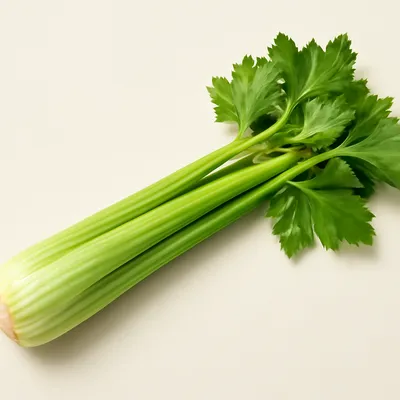


How it's made
9 steps · 40 min
- 125 min
Cut the wild boar into small chunks and marinate it overnight in red wine with onion, bay, juniper and a little rosemary to tame the gaminess.
- 210 min
Lift out the meat and pat it dry, straining and reserving the wine; finely chop a soffritto of onion, carrot and celery.
- 310 min
Soften the soffritto in olive oil in a heavy pot until lightly coloured.
- 48 min
Raise the heat, add the boar and brown it well on all sides.
Watch outBrown the marinated boar hard on all sides — the Maillard crust builds the deep roasted flavor before the liquid goes in.
- 55 min
Pour in the reserved red wine and let it bubble until the raw-alcohol smell is gone.
Watch outBubble off the wine until the raw-alcohol smell is gone — cook it out or the sauce tastes harsh and boozy.
- 65 min
Add crushed tomato or passata, bay, juniper and enough broth to nearly cover; bring to a bare simmer.
- 7170 min
Cover and braise gently for about 2.5 to 3 hours, stirring now and then, until the boar shreds easily and the sauce is dark and thick.
Watch outBraise gently 2.5 to 3 hours until the boar shreds at a fork — this lean, sinewy meat only turns tender once the collagen melts to gelatin.
- 812 min
Cook the pappardelle in well-salted water until just al dente, reserving a little pasta water.
- 95 min
Toss the drained pappardelle through the ragù with a splash of pasta water, then serve hot with grated Pecorino or Parmigiano.
Archive tool suggestions — not reviewed
These legacy suggestions have not been evidence-reviewed and are not presented as required tools.



