
Civet de Sanglier is Corsica's emblematic winter dish: wild boar marinated in red wine, then slow-braised with juniper, myrtle, and the island's maquis herbs until the meat falls apart. A civet is by definition a game stew thickened at the end with the animal's own blood, which gives the sauce its dark, glossy body. On Corsica the boar feeds on chestnuts and acorns in the maquis, and the dish is the centerpiece of the hunting season, served over chestnut-flour polenta or fresh pasta.
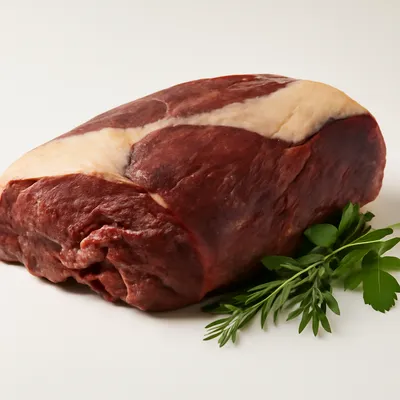




Civet is a classic French method of cooking dark-furred game (the word historically tied to civé, a medieval onion-and-blood stew), and versions exist across the country — Burgundy braises hare and boar the same way. The Corsican identity comes from the ingredients of the maquis, the dense aromatic scrubland that covers the island: myrtle (myrte), juniper, and wild herbs perfume the sauce, and the boar itself is prized for feeding on the island's chestnuts. Hunting wild boar is a deep-rooted communal tradition in the Corsican interior, and the civet is what the catch becomes — a dish of the cold months when the animals are fat.
The meat is dark and dense, far leaner and more pungent than pork, with a deep gaminess tamed by the long wine marinade. The sauce is the dish's signature: nearly black, thick enough to coat a spoon, faintly resinous from juniper and myrtle, with a wild sweetness from chestnut and a velvet richness that only blood-thickening gives. It clings to the chestnut polenta underneath, the two flavors — wine-dark game and earthy chestnut — running together.
Two techniques carry the dish. First, the long red-wine marinade: the wine's acidity and tannins penetrate the tough, lean muscle, breaking down surface proteins so the meat absorbs flavor and braises more tender. Second, the blood liaison: stirred in off the heat at the very end, the blood's proteins thicken the sauce the way an egg yolk would, binding it to a glossy nappe — but it must never boil, or the proteins seize into grains and the sauce splits. The slow braise itself converts the boar's abundant connective collagen into gelatin, giving the meat its fall-apart texture and the sauce its body.
Variations
Where blood is unavailable, cooks thicken with a little dark chocolate or a beurre manié instead, sacrificing some of the true civet character. Some add lardons, mushrooms, or a strip of orange peel; the herb mix varies with the hunter's hillside but myrtle is the constant Corsican note. The same treatment is given to wild boar in Burgundy, but without the maquis herbs and chestnut accompaniment it reads as a different, less resinous dish.
On the Palate
Where Civet de Sanglier sits in the French flavor cloud
Stir the reserved blood in off the heat and never let it boil — the blood proteins thicken the sauce to a glossy nappe like an egg yolk, but a single boil seizes them into grains and splits the sauce.
Ingredients
Serves 6
How it's made
6 steps · 1 hour 15 min active + 13 hours 45 min waiting
- 1720 min
Cut the boar into large chunks and marinate overnight in red wine with onion, juniper, and bay.
- 215 min
Drain and pat the meat dry, reserving the marinade; brown the pieces hard in fat.
Watch outBrown the drained pieces hard until deeply colored on all sides; a pale sear leaves the sauce thin-tasting.
- 310 min
Soften onion and garlic, return the meat, and deglaze with the strained marinade.
- 4180 min
Add the boar's blood-free braising liquid with myrtle, herbs, and seasoning; simmer covered for about 3 hours until tender.
Watch outThe braise is ready when a fork twists in easily and the connective tissue has gone silky — about 3 hours.
- 512 min
Lift out the meat; reduce the sauce, then whisk in the reserved blood off the heat without boiling.
Watch outWhisk the blood in only after the pan leaves the heat; the sauce should turn glossy and coat the spoon, never bubble.
- 65 min
Return the meat to the glossy sauce and serve over chestnut polenta.
Archive tool suggestions — not reviewed
These legacy suggestions have not been evidence-reviewed and are not presented as required tools.



