
A Camargue stew of bull meat braised slowly in red wine with black olives, garlic, orange peel and herbs, traditionally served over the red rice grown in the same marshlands. Dark, glossy and deeply savoury, it is the dish of the gardians — the mounted herdsmen of the Camargue who tend the region's free-ranging black bulls. The lean, hard-working meat demands hours of gentle braising to become tender, and the dish is a point of pride at the local bull-festivals of the Rhône delta.
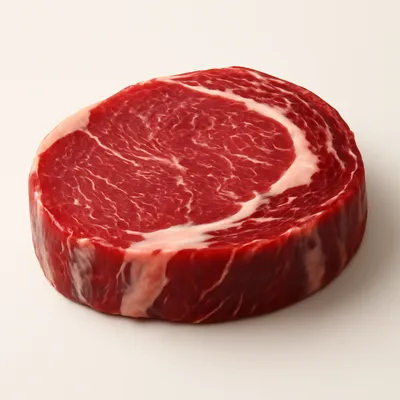
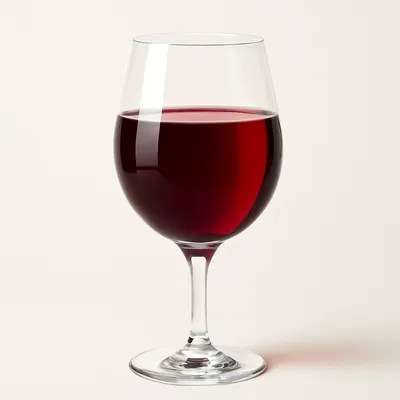




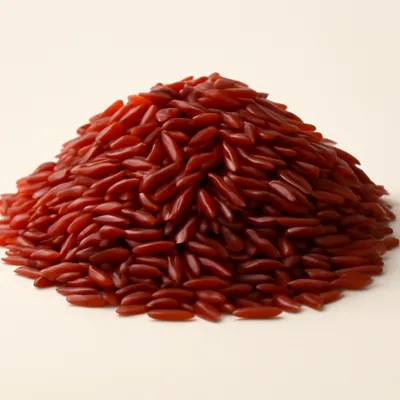
The gardiane is the signature dish of the Camargue, the Rhône-delta wetlands famous for their black fighting bulls, white horses and pink salt. It is named for the gardians, the cattle-herders of Provençal cowboy tradition who ride the marshes, and it makes use of the lean meat of the local bulls — including animals retired from the region's bloodless courses camarguaises. The braise pairs the dark meat with the wines and olives of the Rhône and the orange peel of Provençal cooking, and is classically eaten with riz de Camargue, the red rice cultivated in the delta's paddies since the mid-20th century. The taureau de Camargue holds a French AOC for its meat.
The bull meat comes out almost black and falling apart, in a thick wine-dark gravy studded with black olives, the orange peel lending a low bitter-sweet warmth underneath. It is leaner and more mineral-tasting than beef braise — the flavour of an animal that worked for a living — and the long cook turns its sinew silky rather than stringy. Spooned over the nutty red Camargue rice, which soaks up the sauce, it eats rich and rustic. Sauce that stays watery means the braise was hurried.
Camargue bull is hard-worked, lean muscle dense with connective tissue — meat that is tough and dry if cooked fast, but ideal for a long wet braise. Held at a bare simmer in wine for three to four hours, the collagen in that tissue slowly hydrolyses into gelatin, which both tenderises the meat and gives the sauce its body and gloss. The acidity and tannins of red wine speed the breakdown and season the meat from within over a long marinade; the olives and orange peel are added for flavour, not structure. Boil it hard and the lean fibres only seize and toughen.
Variations
Beef chuck or shin is the usual substitute outside the Camargue, where true bull meat is scarce; the method is unchanged. Some cooks deepen the sauce with a splash of marc or brandy and a square of dark chocolate; capers sometimes join the olives. The red Camargue rice is traditional but the stew is also served with plain rice or potatoes. It is a close southern relative of daube provençale, distinguished by the bull meat and the red-rice accompaniment.
On the Palate
Where Gardiane de Taureau sits in the French flavor cloud
Ingredients
Serves 6
How it's made
6 steps · 50 min active + 3 hours 10 min waiting
- 120 min
Cut the bull meat into large cubes and marinate overnight in red wine with garlic, herbs and orange peel.
- 220 min
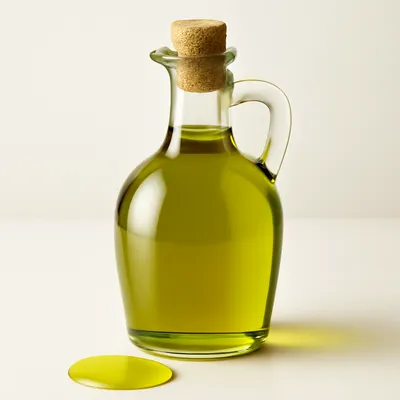
Drain the meat, pat dry and brown it in batches in olive oil; reserve the marinade.
Watch outPat the meat dry before browning so it sears rather than steams — wet meat won't take color, and that fond builds the whole sauce.
- 35 min
Return the meat to the pot with the strained marinade and enough wine to cover.
- 4200 min
Braise at a bare simmer, covered, for 3 to 4 hours until the meat is fork-tender.
Watch outHold it at a bare simmer for 3–4 hours — this lean, sinewy bull only tenderises slow; a hard boil seizes the fibres tough.
- 530 min
Add black olives in the last half hour and reduce the sauce until it coats a spoon.
- 65 min
Serve over cooked Camargue red rice.
Archive tool suggestions — not reviewed
These legacy suggestions have not been evidence-reviewed and are not presented as required tools.



