
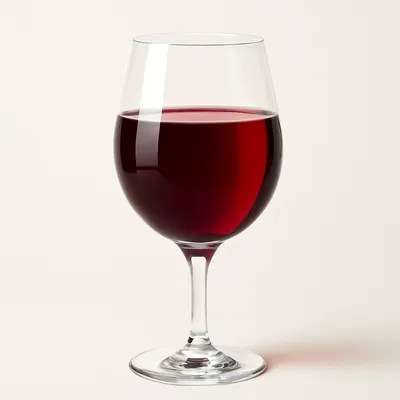
The signature horse-meat stew of Verona, in the Veneto. Cubed or large pieces of horse meat are marinated for many hours in local red wine — Valpolicella, or the powerful dried-grape Amarone — with onion, root vegetables and warm spices, then browned and braised very slowly in the same wine until the meat falls apart and the sauce reduces to a dark, dense gravy. Horse is a long-standing meat in the Veneto, and the dish is firmly part of the city's everyday cooking, not a novelty. It is almost always served over or beside soft polenta.



A traditional dish of Verona and the Veronese countryside. Horse meat has deep roots in the Veneto: the ancient Veneti were noted horse-breeders, and the region long supplied work and cavalry animals, so eating the worked-out or surplus animal — making full use of a costly beast — fits squarely in the local cucina povera. The exact origin of the pastissada is unrecorded. A popular legend ties it to the year 489, when Theodoric the Ostrogoth defeated Odoacer in battle near Verona and the townspeople, allowed to take the dead war-horses, are said to have preserved the abundant meat by marinating it in wine and spices; the tale is illustrated on the bronze reliefs of the Basilica of San Zeno but is folklore, not documented history. The name comes from «pastisso», a Veneto word for a mixed, mashed-together dish, and «caval» (horse) in the local dialect.
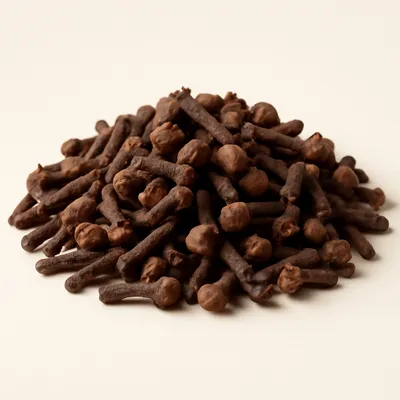
The meat is dark, lean and deeply savory — horse is leaner and a touch sweeter than beef, with a clean, almost gamey depth. After the long braise it is fork-tender and pulls into soft shreds, coated in a thick, glossy, near-black sauce heavy with wine and spice. The first taste is rich and winey, then the warm spices — clove, cinnamon, sometimes juniper — come through, with a faint bitterness from the reduced red. Soft yellow polenta underneath soaks up the sauce and balances it. A good one is tender and integrated; a bad one is tough and dry if the braise was rushed or too hot, or sharply acidic if the wine was not cooked down enough.
This is a long, low wine braise. Horse meat from the working cuts is rich in connective-tissue collagen; held for a couple of hours in liquid below the boil, around 85 to 90°C, that collagen slowly hydrolyzes into gelatin, which is what turns tough muscle fork-tender and gives the sauce its glossy body. The overnight marinade in red wine does two jobs: its acidity and its alcohol help the spices and wine flavor penetrate the meat, and it begins to loosen the surface proteins. Browning the meat before braising builds the Maillard reaction — the deep roasted, meaty flavor and dark color of the crust — before the gentle simmer takes over. Cooking in wine rather than water means the alcohol carries fat- and water-soluble aroma compounds from the spices and the grapes through the whole dish, while long reduction concentrates the sugars and acids of the wine into the dense final gravy. Keep it at a bare simmer; a hard boil squeezes water from the muscle fibers and leaves the meat dry and stringy.
Variations
The braising wine is the chief variable and a point of local pride: everyday versions use Valpolicella or its stronger Ripasso, while the prestige version is made with Amarone della Valpolicella, the dense wine of dried grapes. Spicing varies by household — clove and cinnamon are near-constant, with juniper, bay, nutmeg or black pepper added to taste. The same «pastissada» method and sauce are also made with beef or with donkey, and the leftover shredded meat and gravy are classically used to dress bigoli or gnocchi as a pasta sauce. Sfilacci di cavallo — salted, dried and shredded horse meat — is a related Veneto specialty eaten separately.
On the Palate
Where Pastissada de Caval sits in the Italian flavor cloud
Ingredients
Serves 6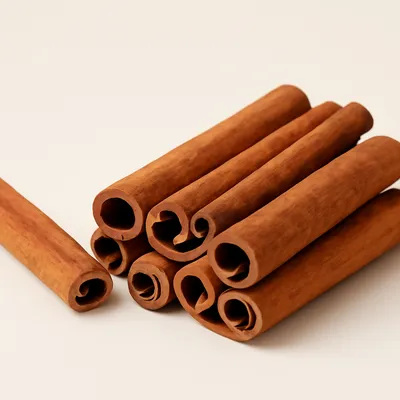

How it's made
9 steps · 40 min
- 120 min
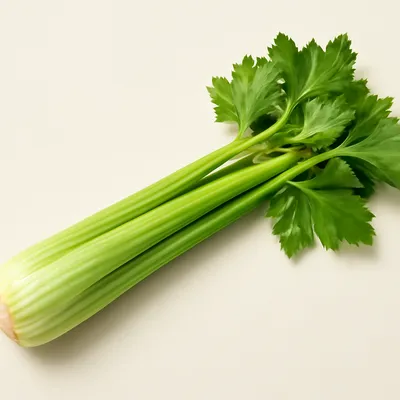
Cut the horse meat into large chunks and marinate it overnight in red wine with sliced onion, carrot, celery, cloves, cinnamon and bay.
- 25 min
Lift the meat out and pat it dry, straining and reserving both the wine and the vegetables separately.
- 315 min
Brown the meat hard on all sides in oil and a little butter in a heavy pot, in batches, then set aside.
Watch outBrown the meat hard on all sides in batches — this Maillard crust builds the deep roasted flavor and dark color; crowd the pot and it steams grey instead.
- 48 min
Soften the reserved marinade vegetables in the same pot until lightly colored.
- 55 min
Return the meat, pour in the reserved wine, and add enough broth to nearly cover; bring to a bare simmer.
- 6170 min
Cover and braise very gently for about 2.5 to 3 hours, stirring now and then, until the meat is fork-tender.
Watch outBraise very gently at a bare simmer for 2.5 to 3 hours until fork-tender — keep it just below the boil so the collagen melts to gelatin without toughening the meat.
- 710 min
Lift out the meat, then reduce and, if you like, blend the sauce to a thick, glossy gravy and adjust the seasoning.
Watch outReduce the sauce to a thick, glossy gravy after lifting the meat out — that gelatin body is what gives it the sheen.
- 85 min
Return the meat to the sauce to warm through and coat.
- 93 min
Serve hot over or beside soft polenta.
Archive tool suggestions — not reviewed
These legacy suggestions have not been evidence-reviewed and are not presented as required tools.



