
An Alpine beef stew from Valle d'Aosta in the north-west, traditionally made from salt-cured beef braised long and slow in robust red wine with a great quantity of onions and warm spices. The meat is cut into chunks, dusted with flour and browned, then stewed with the onions, wine, bay, and spices such as juniper, cloves, nutmeg and cinnamon until it turns very dark and meltingly tender. It is served hot with polenta, the standard partner for mountain stews. It should not be confused with the Argentine carbonada, a quite different stew of meat with squash, corn and vegetables.
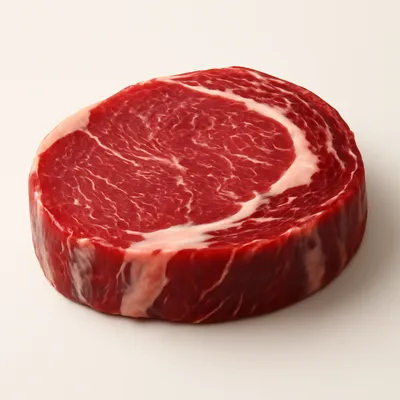

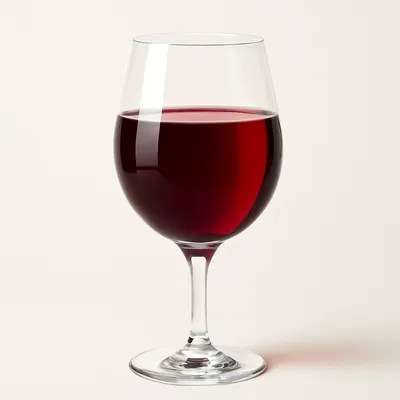



Carbonade is an Alpine adaptation of the Flemish and northern-French carbonade (carbonnade flamande), in which beef is braised in beer; brought into Valle d'Aosta, the dish was rebuilt with local produce and the beer replaced by red wine. It began as a dish of thrift and preservation: before refrigeration the mountain beef was kept under salt, and this salt-cured meat — slow-cooked with onions and wine to last — is the traditional basis of the dish, though modern home recipes commonly use fresh beef. The name is generally explained by colour: cooked for hours in red wine, the meat darkens until it resembles coal (carbone). It is served, like much Valdostan food, with polenta, sometimes alongside mushrooms.
Dark, almost black chunks of beef that pull apart under a fork, soft and yielding after the long braise. The sauce is deep and winey, thickened to a gloss, sweetened and softened by the slow-melted onions, with a warm back-note of clove, juniper and nutmeg. A salt-cured version reads saltier and more savoury, the onions there to balance it. Spooned over hot polenta, the soft maize soaks up the dark sauce. A good carbonade is tender and rounded, the wine cooked-out and mellow; a rushed one tastes harshly of raw alcohol and stays tough.
The long, gentle braise does two things at once: it breaks the beef's tough connective collagen down into gelatin so the meat turns fork-tender, and it cooks the harsh alcohol out of the wine while its acidity helps tenderize and its tannins and colour stain the meat dark. Dusting the chunks in flour and browning them first builds Maillard flavour and gives the sauce body as the flour thickens it. The large mass of onions, sweated down slowly, releases sugar and, with the wine's acidity, balances the richness — historically the salt of the cured meat. Kept at a bare simmer rather than a boil, the fat stays emulsified and the meat does not toughen.
Variations
Recipes vary in the spicing — some keep it plain with just bay and onion, others build a warm mix of juniper, clove, cinnamon and nutmeg — and in the wine, with a robust local red preferred. The older, more authentic form uses salt-cured beef; most modern cooks use fresh stewing beef and lengthen the braise. It is close kin to the Flemish carbonade flamande it descends from, which keeps to beer and often a slice of mustard-spread bread, and to the broader family of slow Alpine beef stews served with polenta.
On the Palate
Where Carbonade Valdostana sits in the Italian flavor cloud
Brown the floured beef properly, then hold it at a bare simmer for the full two hours — the slow, gentle braise turns tough collagen to gelatin, and a boil just seizes the meat dry.
Ingredients
Serves 4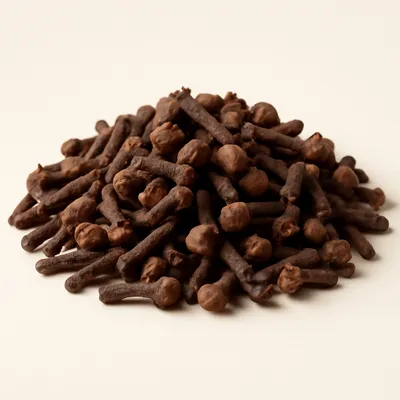


How it's made
7 steps · 40 min active + 2 hours 20 min waiting
- 120 min
If using salt-cured beef, soak it to draw out excess salt; otherwise cut fresh stewing beef into large chunks and pat dry.
- 212 min
Dust the beef lightly in flour, then brown it well on all sides in a heavy pot and set aside.
Watch outPull the beef when each face is a deep, even brown and releases cleanly from the pot.
- 315 min
Slice a large quantity of onions and soften them slowly in the same pot until golden and sweet.
- 45 min
Return the beef, pour in enough robust red wine to cover, and add bay and warm spices such as juniper, clove, nutmeg and cinnamon.
- 5120 min
Cover and braise very gently for about two hours, stirring now and then, until the meat is dark and fork-tender.
Watch outThe braise is ready when the meat has darkened to near-coal and a fork slides through with no resistance.
- 615 min
Uncover and reduce the sauce to a glossy thickness, adjusting salt to taste.
Watch outReduce until the sauce coats the back of a spoon with a glossy sheen before adjusting salt.
- 730 min
Meanwhile cook a soft polenta, and serve the carbonade hot over or beside it.
Archive tool suggestions — not reviewed
These legacy suggestions have not been evidence-reviewed and are not presented as required tools.



