
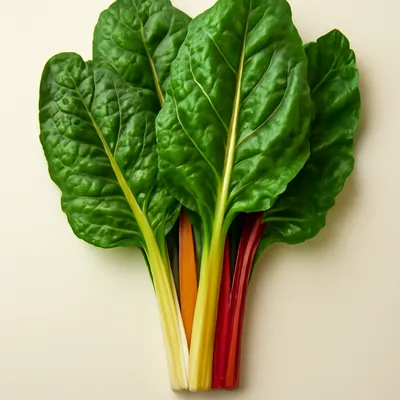
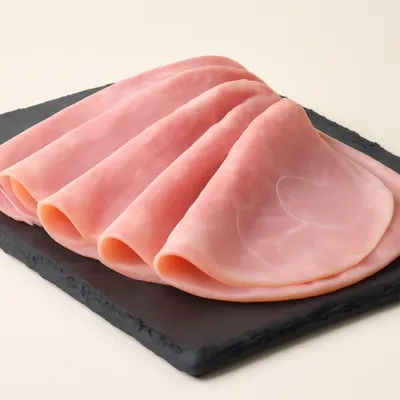
The festive stuffed roast of the northern Aveyron: a boned breast of veal opened into a pocket, packed with a green forcemeat of chard, country ham, salt pork, parsley, bread and egg, then sewn shut, browned, and braised slowly with carrots, onion and white wine until the meat is tender and the stuffing sliceable. Carved into rounds, each slice shows a spiral of pale meat around a green, herb-flecked centre. It is Sunday and feast-day cooking of the Rouergue, served hot with braised cabbage, white beans or a truffade.




A traditional dish of the Auvergne, particularly the northern Aveyron in the old Rouergue, its name taken from an Occitan word of the Auvergne meaning an apron — the way the boned, opened breast of veal hangs and is folded around its stuffing. It is farmhouse festive food: a single piece of veal breast, an economical cut, made to feed many by stuffing it generously with garden chard, a little cured pork and ham, and bread. The breast of veal is standard, though an Aveyron variant uses lamb breast in the same way. No founding date attaches to so old a country preparation.
Cut warm, the veal is tender and faintly gelatinous from the braise, wrapped around a dense, moist stuffing that tastes green and savoury at once — earthy chard, salty cured pork and ham, parsley and a background of bread holding it together. The contrast is the pleasure: mild, soft meat against the well-seasoned, herb-heavy farce. Napped with its own reduced braising juices and set beside cabbage or beans, it is rich, homely and satisfying.
Breast of veal is a thin, flat cut threaded with connective tissue and cartilage — tough if roasted fast, but ideal for a long, moist braise, in which the collagen melts to gelatin and bastes the meat from within, leaving it tender and giving the sauce body. Blanching the chard first wilts it and drives off water so the stuffing is not wet, while bread and egg bind the forcemeat into a mass firm enough to slice cleanly once cooked. Browning the sewn parcel before braising builds a Maillard crust that deepens the colour and flavour of both meat and sauce. Cooked gently in wine and aromatics under cover, the whole thing stays moist as it comes slowly to tenderness.
Variations
The chief variant swaps the veal breast for lamb breast, common in the Aveyron, cooked the same way. The forcemeat changes with the household — more or less chard, the addition of a little leftover meat, garlic or shallot, occasionally a touch of cream — and some roll the breast into a bolster rather than stuffing a pocket. Eaten hot, it goes with braised cabbage, white beans or a truffade; eaten cold, the sliced falette is dressed with a walnut-oil and shallot vinaigrette, which is a popular way to use the leftovers.
On the Palate
Where Falette sits in the French flavor cloud
Ingredients
Serves 6


How it's made
8 steps · 1 hour active + 2 hours 30 min waiting
- 110 min
Blanch the chard leaves in salted boiling water for 5-6 minutes, drain well and press out the water, then chop.
Watch outBlanch the chard and press out every drop of water before it goes in the stuffing — wet greens make a soggy forcemeat that won't bind or slice.
- 215 min
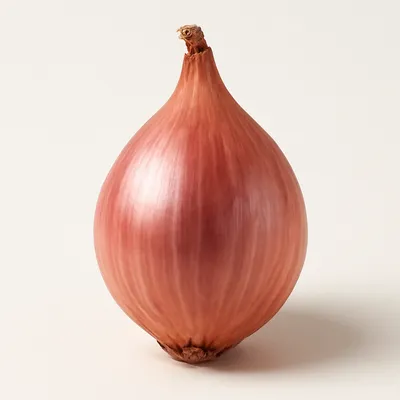
Chop the salt pork, ham, parsley, shallot and garlic; mix with the chard, bread, eggs and seasoning into a firm forcemeat.
- 35 min
Ask the butcher to bone the veal breast and cut a pocket, or open it yourself.
- 410 min
Season the inside lightly, fill with the stuffing, and sew the opening shut with kitchen string.
- 58 min
Brown the parcel on all sides in fat in a heavy pot.
Watch outBrown the sewn parcel on all sides before braising — that Maillard crust deepens the color and flavor of both the meat and the sauce; skip it and both stay pale and flat.
- 67 min
Add sliced carrot and onion, pour in white wine and a little veal broth, and bring to a gentle simmer.
- 7150 min
Cover and braise gently for about 2 to 2.5 hours, turning once, until very tender.
Watch outHold it at a gentle braise for a couple of hours until fork-tender — low and slow melts the veal's collagen to gelatin; a hard boil just toughens the fibers.
- 85 min
Lift out, rest, remove the string, and carve into thick slices; reduce the juices and serve over the meat with cabbage or beans.
Archive tool suggestions — not reviewed
These legacy suggestions have not been evidence-reviewed and are not presented as required tools.



