
Bœuf à la mode is a classic of bourgeois cooking: a large piece of beef — topside or rump, often larded with strips of fat — braised slowly with carrots, onions, a calf's foot, wine and aromatics, with a splash of Cognac, until the meat is meltingly tender and the liquid has cooked down to a glossy sauce. The calf's foot is the quiet engine of the dish: its gelatin gives the sauce body and shine, and lets a cold version, bœuf à la mode en gelée, set in its own clear jelly. It is the wine-braised, pot-roast cousin of pot-au-feu — the same cheap beef and root vegetables, but braised rather than boiled — and a documented staple of the 19th-century French home table. Served hot, the beef is carved into the sauce with its carrots; served cold, it is sliced from a terrine of amber aspic.
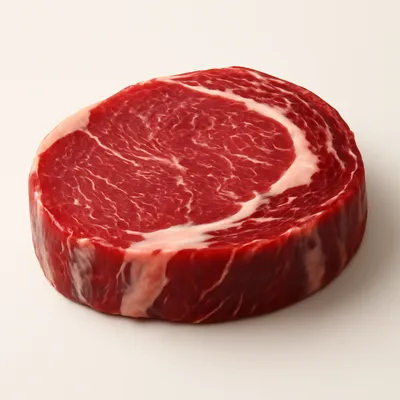
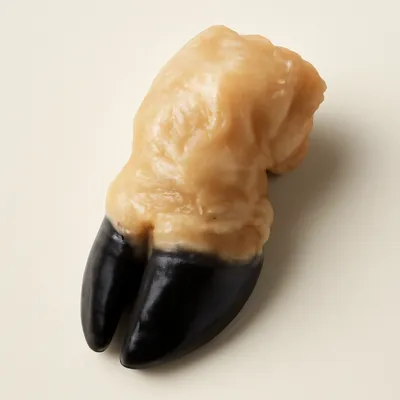


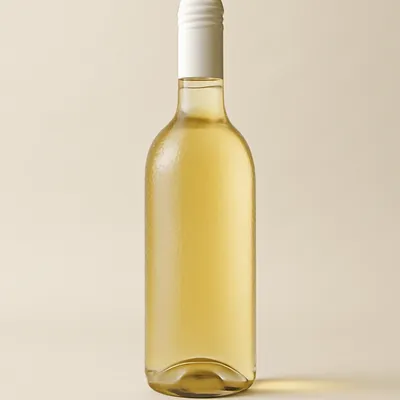

Bœuf à la mode — 'beef in the fashion', meaning in the prevailing style rather than anything to do with being fashionable — is an old dish of the French repertoire, in print at least since François Pierre de La Varenne's Le Cuisinier françois of 1651, where beef is larded and simmered in bouillon with seasonings. It belongs squarely to la cuisine bourgeoise, the home and provincial cooking of the comfortable middle class that crystallised in the 18th and 19th centuries, and it has no single inventor; it is best understood as a long-standing formula made canonical rather than the invention of any one chef. Its kinship with pot-au-feu is the load-bearing fact: both are built on a cheap, tough cut of beef, root vegetables and long moist heat, but where pot-au-feu is a clear boiled dinner, bœuf à la mode is a braise in wine enriched and set by a calf's foot. The dish even gave its name to a celebrated Paris restaurant, Le Bœuf à la Mode, founded near the Palais-Royal in 1792 and remembered as one of the city's early à-la-carte houses before it closed in 1936.
The beef comes to the table in thick slices, dark and glistening, soft enough to give way to the side of a fork, with sweet braised carrots and a sauce the colour of old mahogany clinging to everything. The sauce is deep and beefy, rounded by wine and a faint warmth of Cognac, and slightly sticky on the lips — the tell-tale sign of the gelatin from the calf's foot. Cold, the same dish is firmer and cleaner: pink-brown slices set in a trembling, savoury amber jelly, eaten with mustard and a sharp salad. The meat should be tender but still hold its slice; carrots sweet but not collapsed; the sauce glossy, never thin or greasy.
The dish runs on collagen and on a slow, gentle braise. The tough cut — topside or rump, threaded with fat strips so it bastes itself from inside (larding) — is browned for a Maillard crust and fond, then half-submerged and cooked at a bare simmer for several hours; the connective tissue's collagen converts to gelatin, so the meat turns tender and the liquid gains body. The calf's foot, rich in collagen, is the decisive addition: as it cooks it floods the braise with gelatin, giving the hot sauce its gloss and cling, and enough setting power that the strained, cooled liquid firms into a sliceable aspic for the en gelée version — no added gelatine sheets required. Wine brings acidity that helps break down the connective tissue and seasons the meat from the marinade inward, while flamed Cognac burns off raw alcohol and leaves its aroma. The braise must only tremble, never hard-boil: a rolling boil would toughen the muscle and cloud the sauce instead of bringing it to a clear gloss. The finished liquid is strained and often reduced to concentrate both flavour and gelatin.
Variations
The braising wine may be red or white — red gives a darker, fuller sauce, white a paler, more delicate one. Many cooks marinate the beef in wine with the aromatics overnight before browning; some add a splash of Calvados alongside the Cognac, or a peeled tomato and a strip of orange peel in the southern manner, edging toward daube provençale. The hot service with carrots and glossy sauce and the cold bœuf à la mode en gelée, sliced from its set jelly, are the two faces of the one dish. It sits within a family of bourgeois braises and boiled beef: pot-au-feu, its boiled-dinner sibling; estouffade and daube, its slow-braised cousins; and the leaner miroton or hachis made from the next day's leftovers.
On the Palate
Where Bœuf Mode sits in the French flavor cloud
Ingredients
Serves 6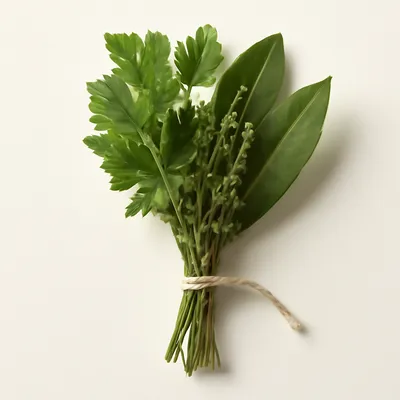


How it's made
7 steps · 40 min
- 120 min
If time allows, marinate the beef overnight in the wine with onion, carrot and the bouquet garni.
- 215 min
Pat the beef dry, then brown it all over in butter in a heavy pot until deeply coloured; remove.
Watch outBrown the beef deeply on every side before it comes out — the dark crust and the fond left behind are what give the sauce its color and depth.
- 34 min
Pour in the warmed Cognac and flambé to burn off the raw alcohol, scraping up the fond.
- 410 min
Return the beef with the wine, beef stock, onions, the bouquet garni and the split, blanched calf's foot; bring barely to a simmer.
Watch outBring it only barely to a simmer, never a boil — a hard boil toughens the meat and clouds the sauce; the collagen needs slow gentle heat to melt into gloss.
- 5180 min
Cover and braise very gently, turning the meat now and then, for about three hours, adding the carrots partway so they cook through without collapsing.
- 615 min
Lift out the beef, carrots and calf's foot; strain the liquid, skim the fat, and reduce it to a glossy sauce.
Watch outSkim the fat off the strained liquid and reduce it until glossy and clinging — the calf's foot gelatin gives it the body, so don't over-reduce past a nappe.
- 710 min
For hot service, slice the beef, return it with the carrots and nap with the sauce; for en gelée, cool the strained liquid until it sets and slice the cold beef from its jelly.
Archive tool suggestions — not reviewed
These legacy suggestions have not been evidence-reviewed and are not presented as required tools.



