A Provençal beef stew braised slowly in red wine with carrots, onions, garlic, herbes de Provence, olives, and sometimes orange zest. Traditionally made in a tall, narrow earthenware daubiere, and prepared a day ahead so the flavors deepen overnight; a classic of the southern French table.
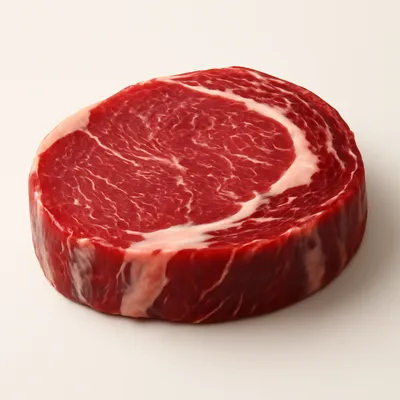
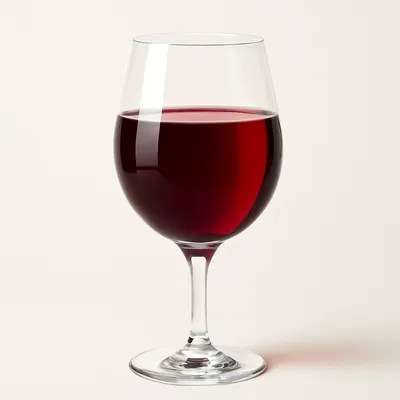




Daube — specifically boeuf en daube a la provencale — is a traditional beef stew of Provence, in southeastern France. The name has come to refer to the dish and to the tall, narrow earthenware vessel in which it is traditionally cooked, the daubiere. No specific inventor is documented; it is a peasant and family preparation of the region, built on the cheap, tough cuts of beef that the long, slow braise in red wine could tenderize. The meat is typically marinated in red wine with vegetables and aromatics for many hours — often overnight — before braising; the marinade then becomes the braising liquid. The dish is classically made a day ahead, because the flavors improve overnight.
A bowl of daube brings up fork-tender cubes of beef in a deep, glossy, wine-dark sauce, with carrots, onions, and olives throughout. The meat is succulent and falling apart, saturated with the wine; the sauce is complex — the tannins and fruit of the wine, the herbs of Provence, sometimes a faint bitterness of orange zest — and thickened by the gelatin dissolved from the long braise. Eaten hot with potatoes, pasta, or polenta.
Daube rests on the long, slow braise of cheap, collagen-rich beef in an acidic wine marinade. The meat is marinated in red wine with vegetables and herbes de Provence for many hours, which begins to extract flavor and soften the muscle fibers; the marinade then becomes the braising liquid. The long, gentle simmer — typically several hours — dissolves the collagen in the connective tissue into gelatin, which tenderizes the meat and gives the sauce its body and gloss. The wine's acidity and alcohol help break down the muscle structure and extract gelatin; the tannins and pigments (anthocyanins) give the sauce its dark color and astringent depth. The traditional daubiere — tall and narrow, with a recessed lid that holds water — traps steam and returns it as condensation, keeping the braise moist over the long cook.
Variations
Daube is made across southern France with regional variants — daube a l'avignonnaise with white wine, daube cevenole with olives and mushrooms; the red-wine base, the long braise, and the day-ahead preparation are the constants.
On the Palate
Where Daube Provencale sits in the French flavor cloud
Ingredients
Serves 6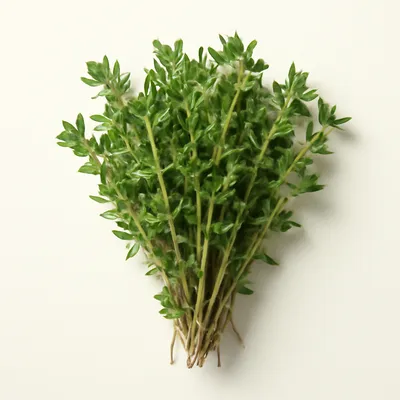
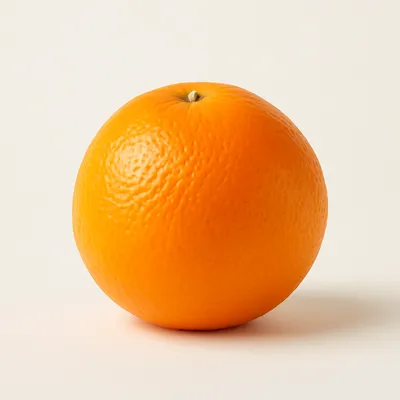
How it's made
6 steps · 40 min
- 110 min
Marinate cubed beef overnight in red wine with carrots, onions, garlic, herbes de Provence, and orange zest if using.
- 210 min
Drain the meat; pat dry and brown in olive oil in a heavy pot; remove.
Watch outPat the marinated beef dry and brown it well — a wet surface steams grey, and that browning is the backbone of the daube's deep flavor.
- 38 min
Brown the drained vegetables in the same fat; return the meat.
- 4120 min
Add the strained marinade and enough stock to barely cover; simmer gently, covered, for several hours.
Watch outSimmer gently and covered for hours until fork-tender — a hard boil toughens the meat before the collagen melts into silky sauce.
- 530 min
Add Nicoise olives in the last half hour; continue until the meat is fork-tender.
- 620 min
Rest overnight in the refrigerator; reheat gently the next day and serve.
Watch outRest it overnight and reheat next day — the flavor deepens and rounds; served the same day it tastes thin and unmarried.
Archive tool suggestions — not reviewed
These legacy suggestions have not been evidence-reviewed and are not presented as required tools.



