Veau aux olives, in Corsican vitellu cù l'alive, is a slow braise of veal shoulder with olives, white wine, and tomato, scented with the island's wild mint-like herb nepita. The veal is browned with panzetta (Corsican cured belly), then simmered gently until it pulls apart, the olives added late so their bitterness only frames the sauce rather than dominating it. It is one of the most emblematic family dishes of the Corsican table, tied to the island's pastoral herding and its terraced olive groves.
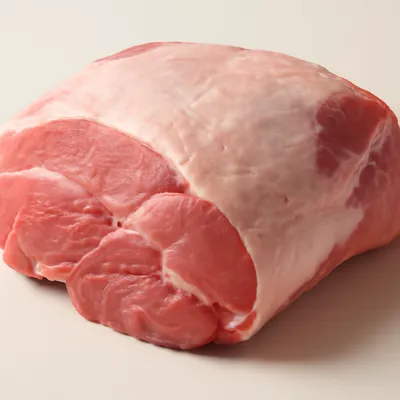
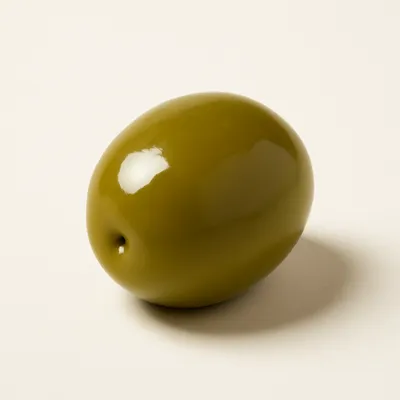

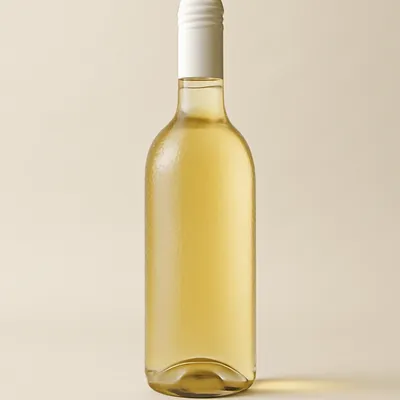


The dish grows directly out of Corsica's mountain economy: free-ranging veal raised in the maquis-covered hills and olives from the coastal and lower-valley groves that the island has cultivated since antiquity. It is cooked across Corsica as a Sunday and feast-day plat, with each family keeping its own measure of wine, tomato, and herbs. No single town or dated invention claims it; it is village home cooking rather than restaurant codification, and is best described as a long-standing pastoral tradition rather than a dish with a fixed origin story.
Veal so soft it gives to a spoon, in a glossy red-brown sauce that tastes of wine reduced over hours, sweet tomato, and the resinous lift of nepita. The olives are the counterweight — a green, faintly bitter, briny bite cutting the richness, scattered whole through the pot. Mopping the sauce with bread or eating it over polenta is part of the dish.
Shoulder is the right cut because its connective tissue (collagen) melts into gelatin over a long, low braise, giving the sauce body without flour. Browning the veal and rendering the panzetta first builds the Maillard base the sauce is built on; the wine is then reduced to cook off its raw sharpness before the tomato and stock go in. The olives are held until the final stretch deliberately: long boiling leaches their bitterness into the whole sauce, so adding them late keeps that bitterness as an accent, not the dominant note. Soaking the olives beforehand softens any harsh brine.
Variations
Beef or even kid (goat) is braised the same way when veal is not at hand. Cooks differ on green versus black olives and on whether to include tomato at all — some older versions are paler, built on wine and stock alone. Mushrooms, especially when in season, are a common addition; the braise is typically served with fresh tagliatelle-style pasta, polenta, or potatoes.
On the Palate
Where Veau aux Olives sits in the French flavor cloud
Ingredients
Serves 6

How it's made
7 steps · 40 min active + 1 hour 50 min waiting
- 115 min
Soak the olives in cold water to draw off excess brine; cut the veal shoulder into large cubes.
- 215 min
Render the diced panzetta in a heavy pot, then brown the veal in batches in the fat until well colored; remove.
- 310 min
Soften chopped onion and garlic in the pot, return the veal, and pour in the white wine; reduce until the raw alcohol cooks off.
Watch outReduce the wine until the raw alcohol smell cooks off before adding tomato — cut it short and the sauce tastes sharp and boozy.
- 48 min
Add tomato, a bay leaf, nepita (or substitute mint/oregano), salt and pepper, and enough water or stock to barely cover.
- 5110 min
Cover and braise gently, about 1.5 to 2 hours, until the veal is fork-tender.
- 625 min
Add the drained olives and cook uncovered another 20 to 30 minutes so the sauce reduces and the flavors marry.
Watch outAdd the olives only for the last 20–30 minutes — boil them long and their bitterness leaches into the whole sauce.
- 75 min
Taste for salt (the olives and panzetta add their own), rest briefly, and serve over pasta, polenta, or potatoes.
Archive tool suggestions — not reviewed
These legacy suggestions have not been evidence-reviewed and are not presented as required tools.